
After Gall Bladder Surgery: Tips for Faster Recovery
Understanding Gall Bladder Surgery
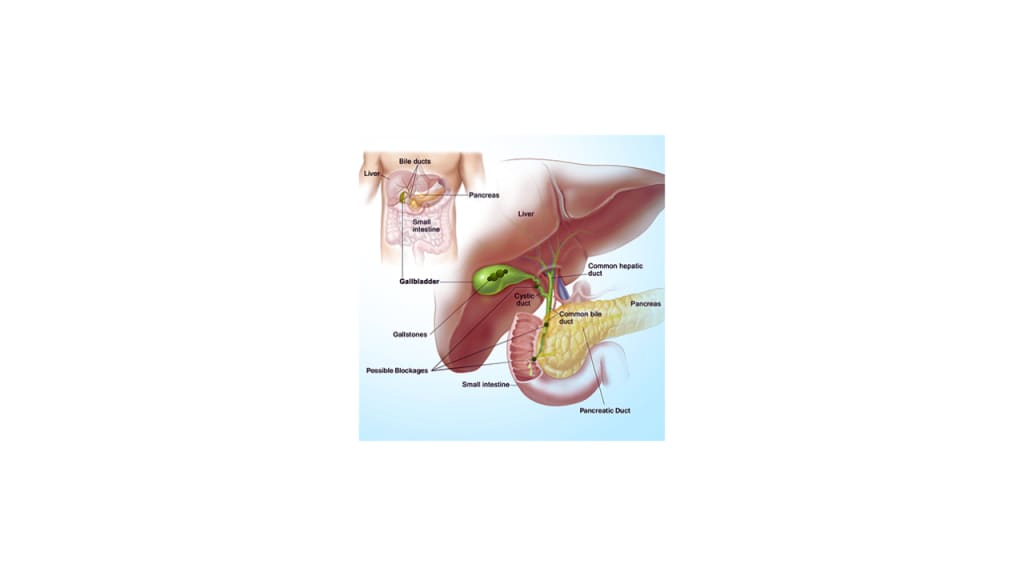
Gall bladder surgery is a common procedure used to treat various gall bladder issues such as gallstones, inflammation, or infections. Although it is minimally invasive, recovery can take time. If you are recovering from gall bladder surgery, following specific tips and guidelines can significantly reduce recovery time, help prevent complications, and support your overall healing process. This article provides essential tips for faster recovery after gall bladder surgery, focusing on effective post-surgery care, diet, and lifestyle changes.
Understanding Gall Bladder Surgery
Before diving into recovery tips, let’s briefly review what gall bladder surgery entails. Gall bladder surgery, also known as cholecystectomy, is typically performed to remove the gall bladder due to issues like gallstones. The surgery can be either traditional (open) surgery or a more common minimally invasive laparoscopic procedure.
In laparoscopic gall bladder surgery, small incisions are made, and a camera and surgical tools are used to remove the gall bladder. This approach generally results in a quicker recovery and less scarring compared to traditional surgery.
Tips for Faster Recovery After Gall Bladder Surgery
The path to recovery after gall bladder surgery can vary from person to person. However, there are several general practices that can promote a speedy recovery:
1. Follow Post-Op Instructions from Your Doctor
Immediately after gall bladder surgery, it is essential to follow your doctor’s specific post-operative instructions. Your doctor will provide advice on how to care for your incisions, signs of infection, and when to resume normal activities. Strictly adhering to these instructions helps reduce the risk of complications and aids in faster healing.
• Tip: Make sure to schedule follow-up appointments to ensure proper healing and to address any concerns with your healthcare provider.
2. Manage Pain Effectively
Pain management is a critical part of recovery after gall bladder surgery. Most patients will experience some discomfort following surgery, especially around the incision sites. However, effective pain management can help you stay comfortable and recover faster.
• Tip: Your doctor will likely prescribe pain medications or suggest over-the-counter pain relievers to help you manage discomfort. Always take them as prescribed and avoid overexerting yourself while recovering.
3. Eat a Healthy and Balanced Diet
A balanced diet plays a pivotal role in your recovery process. After gall bladder surgery, your digestive system will adapt to the absence of the gall bladder, which stores bile to help digest fat. Therefore, it’s important to adjust your diet for easier digestion.
• Tip: Start by consuming light, easily digestible foods like soups, broths, and soft fruits. Gradually incorporate lean proteins, vegetables, and whole grains. Avoid high-fat foods, spicy foods, and dairy products initially, as these can trigger digestive issues.
4. Stay Hydrated
Hydration is key to recovery. Drinking plenty of water helps prevent constipation, aids in digestion, and promotes overall healing. Staying hydrated also supports your body in flushing out any toxins and helps maintain proper organ function.
• Tip: Drink at least 6-8 glasses of water daily. Avoid sugary drinks and alcohol as they can disrupt your recovery.
5. Get Plenty of Rest
Rest is essential for the healing process after gall bladder surgery. During sleep, your body works to repair tissues and fight infection. Lack of proper rest can hinder your recovery and prolong the healing process.
• Tip: Aim for 7-9 hours of sleep each night. Take short naps during the day if necessary, and avoid strenuous activities in the first few weeks after surgery.
6. Gradually Increase Physical Activity
While rest is important, gentle movement is also necessary to help your body heal. Sitting or lying in bed for extended periods can lead to muscle weakness and slow down your recovery. Gradually incorporating light activities, such as short walks, can improve circulation, reduce swelling, and speed up recovery.
• Tip: Start with small, gentle walks around your home. Avoid heavy lifting or strenuous activities until your doctor gives you clearance.
7. Take Care of Your Incisions
After gall bladder surgery, it’s crucial to care for your surgical incisions to prevent infection. Your doctor will provide specific guidelines on how to clean and dress the incision sites. Following these guidelines will reduce the risk of infection and promote healing.
• Tip: Keep the incision sites clean and dry. Avoid touching the incisions with unclean hands and monitor them for any signs of infection, such as redness, swelling, or increased pain.
8. Listen to Your Body
Everyone’s recovery is different. It’s important to listen to your body and not push yourself too hard. If you feel fatigued or experience discomfort, take a break and rest. Overexerting yourself can delay recovery.
• Tip: Pay attention to any signs of complications like severe pain, fever, or vomiting, and contact your doctor immediately if these occur.
Frequently Asked Questions (FAQs)
1. How long does it take to recover from gall bladder surgery? Recovery time after gall bladder surgery varies, but most patients can return to normal activities within 1-2 weeks if they follow proper care guidelines. Full recovery can take about 4-6 weeks.
2. Can I eat normally after gall bladder surgery? After gall bladder surgery, your digestive system may take time to adjust. Initially, you may need to avoid fatty or spicy foods and stick to a lighter diet. Gradually, you can reintroduce normal foods as tolerated.
3. Is it normal to feel fatigued after gall bladder surgery? Yes, fatigue is a common side effect following gall bladder surgery. Your body is healing, and rest is vital. Ensure you are getting adequate sleep and managing your energy levels throughout the recovery period.
4. Can I exercise after gall bladder surgery? While rest is important, light physical activity like walking is beneficial. However, avoid strenuous exercise or lifting heavy weights until your doctor clears you for more intense activities, typically after a few weeks.
5. Will I experience digestive issues after gall bladder surgery? Many patients experience some digestive changes after gall bladder surgery, such as diarrhea or bloating. These issues usually improve as your body adapts to the absence of the gall bladder. Eating smaller, more frequent meals and avoiding fatty foods can help manage these symptoms.
Summary
Recovering from gall bladder surgery involves more than just resting in bed. By following proper care guidelines—such as eating a balanced diet, staying hydrated, getting adequate rest, and managing pain—you can promote faster healing and avoid complications. Make sure to listen to your body, stay in touch with your doctor, and take things one step at a time to ensure a smooth recovery.
Conclusion
While gall bladder surgery is a routine procedure, recovery still requires attention and care. Following these simple tips will help you recover faster and get back to your regular routine without unnecessary setbacks. Keep in mind that recovery is a gradual process, and with patience, your body will heal properly, allowing you to enjoy a healthier and more active life. If you have any concerns or experience unusual symptoms during your recovery, be sure to consult your doctor.
About the Creator
Keep reading
More stories from writers in Humans and other communities.
Cabin Fever Because of Snow, Sleet, and Freezing Rain That Turned to Icy Roads
What Is Cabin Fever? The short answer is that cabin fever is restlessness from being in a confined area. Cabin fever is the distressing irritability or restlessness experienced when a person or group is stuck at an isolated location or in confined quarters for an extended time. Research shows that prolonged cold, gray skies, and being stuck indoors can trigger mood shifts similar to “winter blues.”
By Margaret Minnicks5 days ago in Humans
~ Fired ~
— Ai Intrusion ~ Are you Next ~ Is Ai Evolution after your job? — Few workplaces haven't been affected. Ai is in supermarkets, at doctors' offices, and even monitoring farms. I just can't think of anything this machine is not getting into, can you? For instance: Education ~ Law and Tech jobs will one day have a major influence or be taken over by these inanimate machines, with accuracy and vigor. From mechanics' diagnoses to a wide variety of everyday jobs, including fast food workers, with this input having the ability to cut their unnecessary work hours. I'm certain all of us have been touched by this with our short stories and colorful headings, have you? Even comments are very questionable 'Non-Robot' insertions.
By Jay Kantor5 days ago in Journal




Comments
There are no comments for this story
Be the first to respond and start the conversation.