
Abelard and Heloise: A Love Story for the Ages (With a Scandalous Twist)
It’s a tale of love, sacrifice, and one catastrophic twist that changed everything.

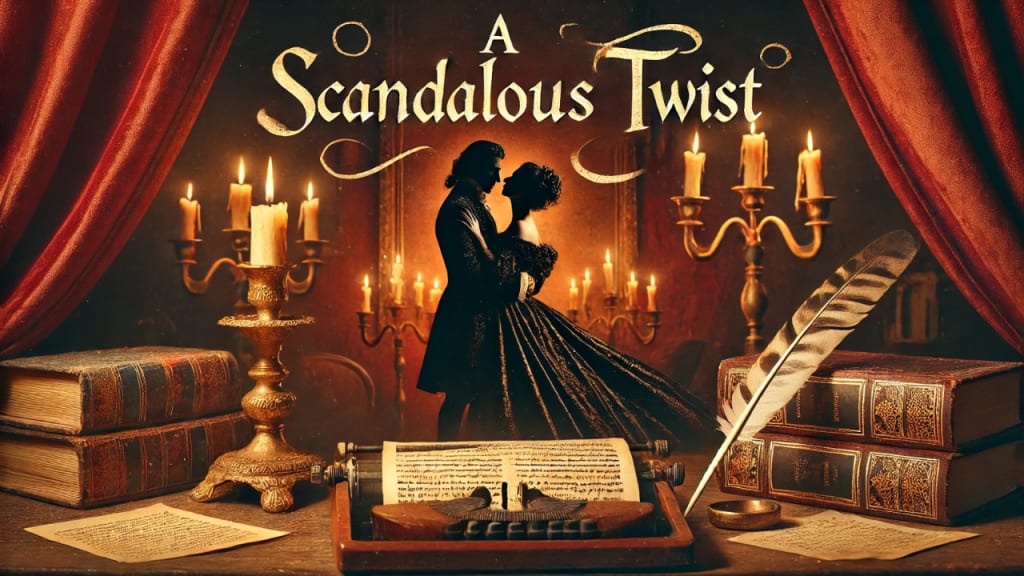
Love in the 12th century wasn’t exactly a walk in the park. No dating apps, no love songs on Spotify, and absolutely no room for scandal. Yet, despite all odds, Abelard and Heloise’s story managed to pack enough passion, intellect, and drama to make even Shakespeare look tame. This was no ordinary medieval love affair—oh no. It was a high-stakes romance involving a brilliant philosopher, a fiercely intelligent young woman, secret rendezvous, forbidden passion, and a scandal so juicy it made medieval Europe’s gossip mill spin faster than a knight jousting for glory.
But brace yourself—this isn’t a fairy tale. It’s a tale of love, sacrifice, and one catastrophic twist that changed everything. Let’s dive in.
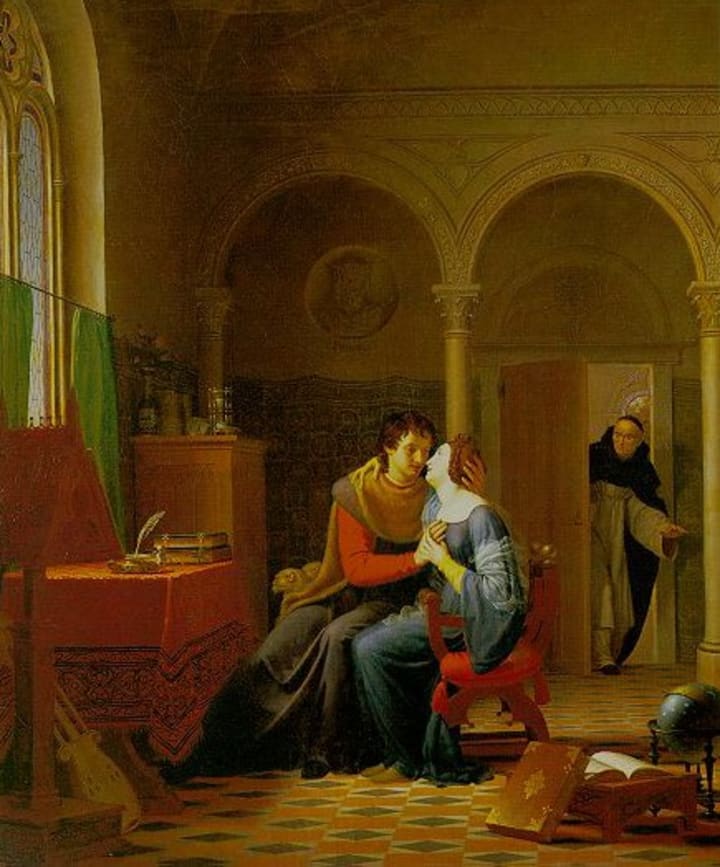
Who Were Abelard and Heloise?
Abelard and Heloise weren’t your average medieval couple. For starters, Abelard was the intellectual heartthrob of his day. Imagine a man with the charisma of a celebrity, the brains of a genius, and the ego of someone who knows it. Born in 1079 in Brittany, Abelard was a philosopher, theologian, and teacher whose ideas challenged the norms of his time. He was a walking TED Talk long before TED was a thing.
Heloise, on the other hand, was no damsel in distress. Born around 1100, she was a woman ahead of her time—intelligent, independent, and determined to pursue knowledge in a world that often denied women such opportunities. As the niece of Canon Fulbert, she had access to education, but she took it to a whole new level, gaining a reputation for her wit and intellect.
When these two met, it was like intellectual fireworks. Heloise’s uncle hired Abelard to tutor her, and what began as an academic partnership quickly transformed into something much more... passionate.
The Forbidden Romance
Why Their Love Was Taboo
Let’s set the stage: Abelard, a renowned teacher, was about to fall for his pupil, Heloise. This was the 12th century, where teacher-student dynamics were as frowned upon as a knight showing up to battle without his armor. Add in the fact that Heloise was expected to live a chaste and obedient life under her uncle’s watchful eye, and you’ve got the perfect recipe for forbidden love.
Passion, Love Letters, and Secrets
Their love wasn’t just physical—it was intellectual. Their letters, filled with philosophical debates and passionate confessions, still captivate readers today. Abelard wasn’t just teaching Heloise about philosophy; she was teaching him about love. They soon embarked on a torrid affair, sneaking around Fulbert’s house like teenagers trying not to wake their parents. But, as all forbidden romances go, the secrecy couldn’t last forever.
The Scandal That Shook the 12th Century
An Unplanned Pregnancy
When Heloise became pregnant, the jig was up. To avoid disgrace, Abelard whisked her away to Brittany, where she gave birth to their son, Astrolabe. (Yes, they named their kid after an astronomical instrument. If that doesn’t scream “nerdy parents,” I don’t know what does.)
A Secret Marriage
To placate Heloise’s furious uncle, Abelard proposed marriage, but Heloise resisted. She believed marriage would ruin Abelard’s career, and honestly, she wasn’t wrong. Eventually, she relented, and they married in secret. But even this wasn’t enough to calm Fulbert’s wrath.
The Unthinkable
In a shocking act of revenge, Fulbert arranged for Abelard to be attacked in the dead of night. The result? Abelard was brutally castrated, an act that ended his teaching career and forever altered the course of their lives. Medieval Europe collectively gasped.
Love Letters Across Time
Despite their separation—Abelard in a monastery, Heloise in a convent—their love endured through letters. These weren’t your typical “Hey, how’s it going?” notes. Their correspondence was filled with philosophical musings, deep reflections on love and faith, and confessions of undying devotion.
Famous lines like Heloise’s “God is my witness that if Augustus, emperor of the whole world, thought fit to honor me with marriage and conferred on me the whole earth to possess, it would be dearer and more honorable to me to be called not his empress, but your whore” reveal the depth of her passion and defiance of societal norms.
A Love That Endured Separation
Life in Religious Orders
After the scandal, Abelard became a monk, and Heloise took vows as a nun. Yet, neither found solace in their religious lives. Their letters reveal a longing for each other and a shared struggle to reconcile their love with their faith.
The Bittersweet Ending
Their paths rarely crossed again, but their bond remained unbroken. When Abelard passed away in 1142, Heloise ensured his body was brought to her abbey. When she died 22 years later, she was buried beside him. Today, their tomb in Père Lachaise Cemetery in Paris serves as a testament to their enduring love.
Lessons from Abelard and Heloise
Their story is more than just a medieval soap opera. It’s a reminder of the power of love to transcend obstacles, the importance of intellectual connection in relationships, and the enduring allure of forbidden romance. Their letters continue to inspire scholars, writers, and hopeless romantics alike.
Conclusion
The love story of Abelard and Heloise proves that even in the harshest of circumstances, love has a way of enduring. It’s messy, complicated, and often tragic—but isn’t that what makes it so compelling? So, the next time you think your love life is dramatic, just remember: at least your story doesn’t involve a castration and a medieval scandal (we hope).
About the Creator
Keep reading
More stories from Marveline Merab and writers in Humans and other communities.
The Epic Love Story of Antony and Cleopatra: Passion, Power, and Betrayal
Love, power, politics, and betrayal—Mark Antony and Cleopatra's tale is a Shakespearean drama come to life (literally, thanks to the Bard). This larger-than-life story blends romance with the fall of empires, leaving historians, poets, and Hollywood scrambling to retell it through the ages. Get ready for a tale of lavish parties, grand gestures, and tragic endings as we take a closer look at one of history's most fascinating relationships.
By Marveline Merababout a year ago in Humans
Minnesota and Illinois Invoke the 10th Amendment in Lawsuits to Block Federal Agents in Their Cities — Here’s Why That Matters
States Push Back Against Federal Enforcement Minnesota and Illinois have launched high-profile lawsuits invoking the 10th Amendment of the US Constitution in an effort to block or limit the actions of federal agents—particularly immigration enforcement officers—operating within their cities. The legal challenges mark a significant escalation in the long-running conflict between state governments and Washington over who has the authority to enforce immigration laws and how far federal power can reach.
By Aarif Lashari4 days ago in Humans
The Devil's Cut
“Comrade, finally you’re awake.” The voice was smooth, sensual. A flickering incandescent bar was all that lit the white, sterile room. All Vladimir remembered was everything going black. He tried to move his arms and found them strapped to the gurney.
By Matthew J. Fromm5 days ago in Fiction



Comments
There are no comments for this story
Be the first to respond and start the conversation.