
Five Key Moments in the Assault on the Rights of Women and Girls in 2025
A year of setbacks: Examining the pivotal events that challenged gender equality and women’s rights worldwide in 2025

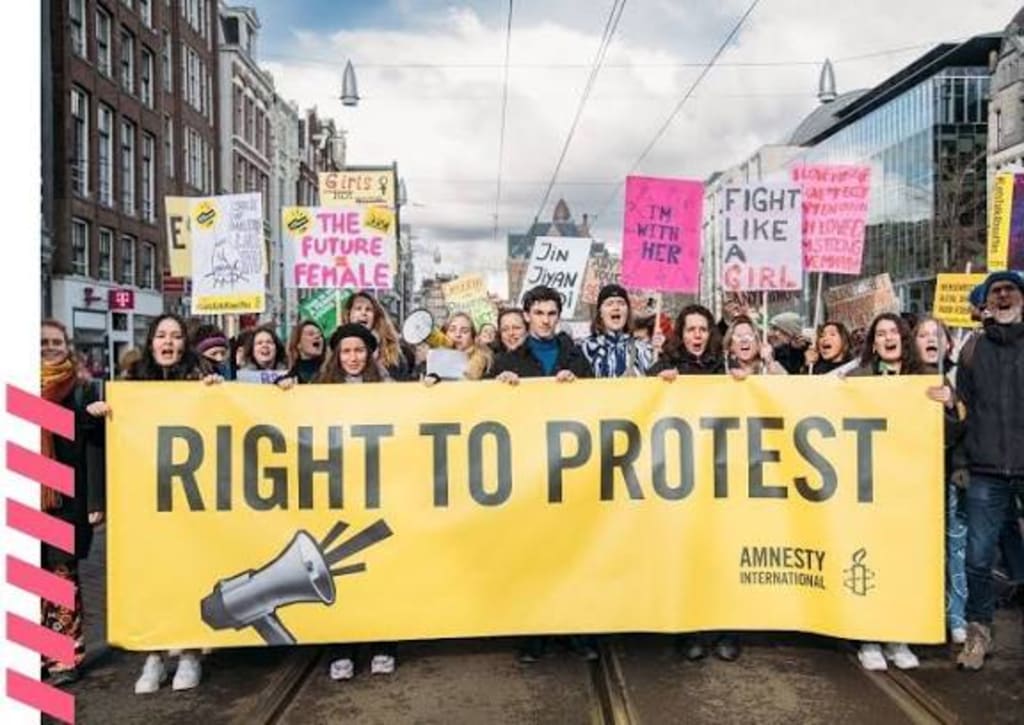
The year 2025 has emerged as a defining moment for women’s and girls’ rights worldwide—but not in the way many advocates hoped. Across continents, legal rollbacks, social restrictions, and political decisions have challenged decades of progress toward gender equality. While some nations continue to advance protections, others have taken steps backward, placing women and girls at greater risk of discrimination, violence, and exclusion. Below are five key moments from 2025 that highlight the growing assault on the rights of women and girls and why they matter globally.
1. Rollbacks on Reproductive Rights in Multiple Countries
One of the most alarming trends in 2025 has been the tightening of reproductive rights. Several governments introduced stricter abortion laws, reduced access to contraception, or limited reproductive healthcare funding. In some cases, exceptions for rape, incest, or medical emergencies were narrowed, leaving women with fewer choices over their own bodies.
These policy changes disproportionately affected low-income women and girls, especially in rural areas where healthcare options are already limited. Advocates warn that restricting reproductive rights does not reduce abortions but instead drives unsafe procedures, increasing health risks and maternal mortality. The developments of 2025 reinforced concerns that reproductive autonomy remains one of the most fragile aspects of women’s rights.
2. Education Setbacks for Girls in Conflict Zones
Education for girls suffered significant setbacks in 2025, particularly in regions affected by war and political instability. Schools for girls were closed, underfunded, or deliberately targeted in conflict zones, forcing thousands out of classrooms. In some areas, policies restricting girls’ education were reintroduced under the guise of cultural or security concerns.
The loss of education has long-term consequences. Girls denied schooling are more vulnerable to early marriage, child labor, and poverty. Experts stress that education is not just a right but a protective tool that empowers girls economically and socially. The setbacks seen in 2025 risk creating a lost generation of girls with limited opportunities.
3. Rise in Gender-Based Violence and Weak Accountability
Another key moment in 2025 was the documented rise in gender-based violence, including domestic abuse, sexual violence, and online harassment. Economic stress, displacement, and conflict played major roles, but weak legal accountability worsened the problem.
In several countries, proposed laws aimed at protecting women from violence were delayed, diluted, or ignored. Survivors faced barriers to justice, including underreporting due to stigma and lack of institutional support. Women’s rights groups emphasized that without strong enforcement, legal protections remain symbolic rather than transformative.
4. Attacks on Women’s Participation in Public Life
2025 also witnessed increasing resistance to women’s participation in politics, activism, and public leadership. Female journalists, politicians, and human rights defenders faced harassment, threats, and coordinated disinformation campaigns—both online and offline.
In some regions, new regulations restricted women-led organizations or limited funding for gender equality initiatives. These actions not only silenced women’s voices but also weakened democratic institutions. When women are excluded from decision-making spaces, policies tend to overlook issues such as healthcare, education, and social protection that directly affect families and communities.
5. Erosion of Legal Protections Under the Banner of “Tradition”
Perhaps the most complex challenge of 2025 was the use of “tradition” or “cultural values” to justify rolling back women’s rights. Laws related to marriage, inheritance, dress codes, and mobility were tightened in certain countries, often framed as preserving national identity.
While cultural diversity should be respected, human rights advocates argue that tradition should never be used to legitimize discrimination. The events of 2025 highlighted the ongoing tension between universal human rights and conservative political agendas, with women and girls frequently paying the price.
Why These Moments Matter
Taken together, these five moments reveal a troubling pattern: progress for women’s rights is not guaranteed and can be reversed quickly. The challenges of 2025 show that legal protections must be actively defended, enforced, and adapted to changing realities.
At the same time, resistance and resilience remain strong. Women-led movements, civil society organizations, and young activists continue to push back against inequality. Their efforts remind the world that women’s rights are not niche issues—they are fundamental to social stability, economic growth, and human dignity.
Looking Ahead
The assault on the rights of women and girls in 2025 serves as a wake-up call. Governments, international institutions, and individuals must recommit to gender equality not just in words, but in action. The future depends on whether the world chooses to protect hard-won rights or allow them to erode further.
About the Creator
Fiaz Ahmed
I am Fiaz Ahmed. I am a passionate writer. I love covering trending topics and breaking news. With a sharp eye for what’s happening around the world, and crafts timely and engaging stories that keep readers informed and updated.
Keep reading
More stories from Fiaz Ahmed and writers in Humans and other communities.
The Most Beautiful Woman in the World: Why True Beauty Goes Beyond What We See
Every generation has asked the same question: Who is the most beautiful woman in the world? From legendary queens to Hollywood stars and modern influencers, beauty has always fascinated humanity. But while magazines, polls, and social media trends often try to crown a single “most beautiful” woman, the truth is far more meaningful—and far more powerful.
By Fiaz Ahmed 4 months ago in Humans


Comments
There are no comments for this story
Be the first to respond and start the conversation.