
7 TIPS AND TRICKS OF WALKING BACKWARDS
By Kathy Stosh

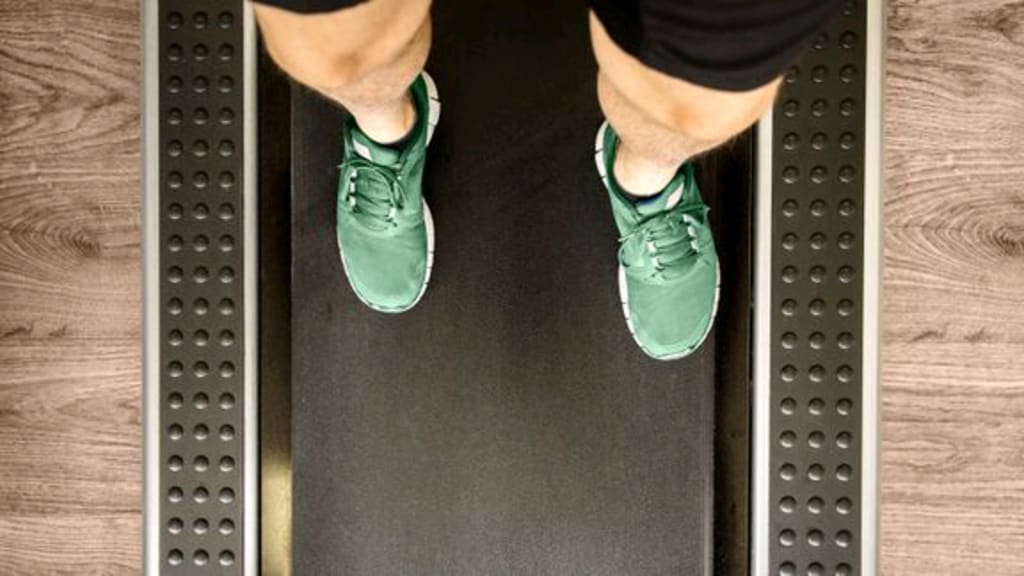
Suprising Tips And Tricks Of Walking Backards
When it comes to fitness, most people focus on forward motion—running, walking, and cycling. But have you ever considered **walking backward** as part of your routine? While it might sound unusual, this simple movement offers incredible benefits for your **strength, balance, coordination, and even brain function**.
In this article, we’ll explore the science-backed benefits of backward walking and why you should consider adding it to your fitness routine.
---
1Strngthens Different Muscle Groups**
Walking backward engages muscles in a way that forward walking does not. When you walk forward, the **quadriceps and hamstrings** work together to propel you. However, walking backward shifts the emphasis to the **glutes, calves, and stabilizer muscles**, leading to improved muscle balance and strength.
This is especially beneficial for individuals recovering from injuries or those looking to strengthen their **posterior chain** (the muscles along the back of your body).
---
2 Improves Balance and Coordination**
Backward walking forces your body to rely on different **neuromuscular pathways**, improving balance and coordination. Since you can’t see where you’re going, your brain must **process spatial awareness more effectively**, leading to better overall movement control.
Athletes often use backward walking as part of their training to enhance **agility, reaction time, and proprioception** (your body's ability to sense movement and position).
---
**3. Reduces Joint Impact and Knee Pain**
One of the biggest benefits of walking backward is its reduced **impact on the knees**. Forward walking and running can sometimes put excessive stress on the **knees and joints**, leading to pain and injuries.
Studies suggest that walking backward places less strain on the **anterior cruciate ligament (ACL)** and helps people with knee pain or osteoarthritis **strengthen their leg muscles** without aggravating their condition.
---
**4. Boosts Cardiovascular Health and Calorie Burn**
You might not realize it, but walking backward is **more challenging than walking forward**, which means it **burns more calories**. The extra effort required to maintain balance, control, and movement increases **heart rate**, improving cardiovascular fitness.
A study published in the *Journal of Biomechanics* found that **backward walking increases energy expenditure by 30% compared to forward walking** at the same speed. This makes it a great option for those looking to **burn fat and improve endurance** in a low-impact way.
---
**5. Enhances Cognitive Function and Brain Health**
Since walking backward requires **concentration and mental effort**, it acts as a cognitive exercise as well. Studies suggest that engaging in **unconventional movement patterns** stimulates brain activity, potentially improving **memory, focus, and problem-solving skills**.
Practicing backward walking regularly could even help reduce the risk of **neurodegenerative diseases** such as Alzheimer’s and Parkinson’s by keeping the brain actively engaged in movement control.
---
**6. Improves Posture and Core Stability**
Many people develop poor posture from sitting all day or engaging in repetitive forward-motion activities. Walking backward encourages an **upright posture** by activating the **core, lower back, and hip muscles**.
Unlike forward walking, which can cause slouching over time, backward walking naturally aligns the spine and promotes better posture. This helps reduce the risk of **lower back pain** and improves overall body mechanics.
---
7. Adds Variety to Your Workouts**
Let’s face it—doing the same workout routine every day can become boring. Adding backward walking to your routine **challenges your body in new ways**, making your workouts more engaging and effective.
You can try backward walking:
- On a **treadmill** (start slow and use handrails for support).
- On a **flat outdoor path or track**.
- As part of **interval training**, alternating between forward and backward walking.
- While **climbing stairs** (for advanced users, but be cautious!).
---
### **How to Get Started Safely**
If you’re new to walking backward, start with these simple steps:
1. **Find a safe, open space** (a park, track, or empty hallway).
2. **Begin slowly** and get comfortable with the movement.
3. **Use a guide**—start near a wall or railing if needed.
4. **Engage your core** and keep an upright posture.
5. **Increase speed gradually** as you become more confident.
For those with **knee issues or joint pain**, backward walking can be a **safe rehabilitation exercise**, but always consult a healthcare professional before making it part of your routine.
---
Final Thoughts: Why You Should Try Walking Backward Today**
Walking backward is **more than just a quirky movement**—it’s a powerful fitness tool with **scientific benefits**. From strengthening muscles and improving balance to enhancing brain function and burning more calories, it offers a unique way to **level up your fitness routine**.
Next time you go for a walk, try adding a few minutes of backward walking. Your body—and brain—will thank you!
**Have you ever tried walking backward? Let me know your experience in the comments!** 🚶♂️🔥
---
About the Creator
Kethy Stosh
I'm a fitness writer on vocal Expert tips on training, nutrition, and motivation.y goal is to help you build strength, stay healthy, and achieve your fitness goals with practical advice and insights. Join me on the journey to a better you!"
Keep reading
More stories from writers in Humans and other communities.
I Don't Need My Phone... Wait, Is That Actually True?
My parents gave me my first cell phone when I was twelve years old. It wasn't a fancy iPhone or anything, not even close. Just a simple black flip phone for when I needed to call or text them after school.
By Madison "Maddy" Newton2 days ago in Humans
Biggest Challenges Local Singles Face When Looking For Meaningful Relationships
The local singles have increasingly become complex in trying to find meaningful relationship in the current social environment that has changed rapidly. Though it may be easy to find new friends via internet channels, socializing, and community, it is difficult to establish meaningful emotional bonds. Most singles have recurrent brief encounters, indecisive intentions and emotional ambiguity. Such difficulties may cause frustration, and they diminish the confidence in the dating process. Becoming more familiar with the most significant challenges can assist people in being more conscious and purposeful in relationships. Due to the identification of these obstacles, local singles will be able to change their approaches, concentrate on compatibility, and increase the likelihood of creating genuine and sustainable relationships.
By Hayley Kiyoko7 days ago in Humans




Comments
There are no comments for this story
Be the first to respond and start the conversation.