
6 Rarely Known Facts About Senior Isolation
Some major facts about senior isolation
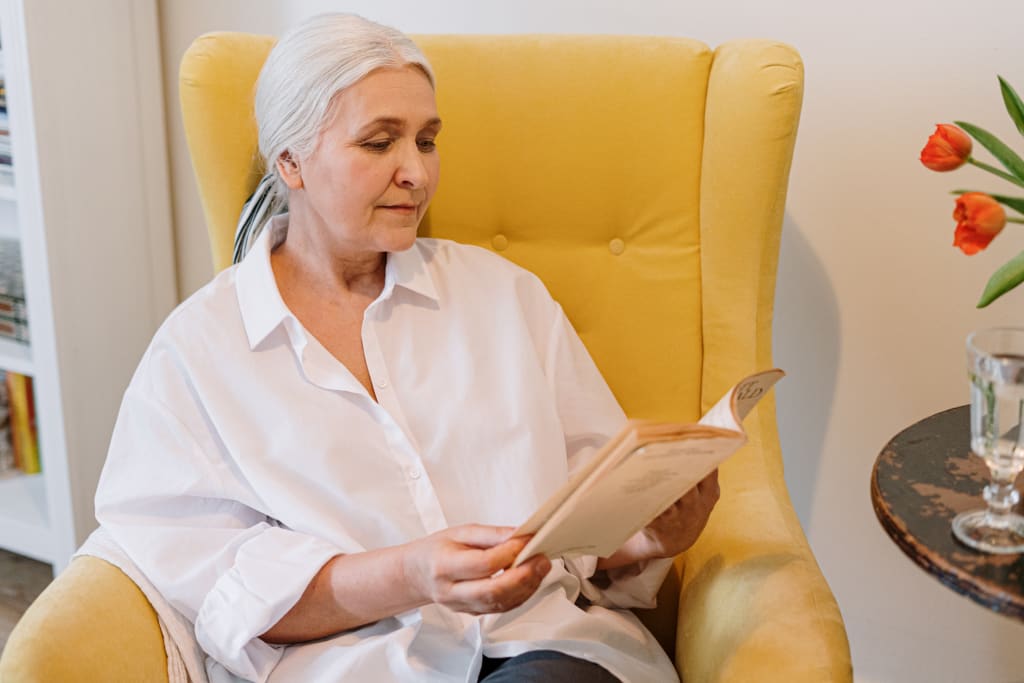
While everyone enjoys the prospect of spending golden years with a spouse or grandchildren by their side and friends to laugh with and support them in difficult times, there are times when the loss of a spouse and lack of attention from family and friends result in isolation. Isolation is very common among many seniors, causing health issues and declining quality of life. t is a well-known fact that our hectic schedules at work and other responsibilities prevent us from providing proper care for our elderly loved ones. Nevertheless, the following information regarding senior isolation, which was compiled by Home Care Happy Valley professionals with years of experience, is not widely known but can lead to serious conditions.
1. Decreases Longevity
A study on senior isolation found that feelings of loneliness and social isolation are linked to a decreased likelihood of longevity in seniors, particularly those 60 or older. Seniors with fewer socialization opportunities or who live alone have a lower likelihood of living to a ripe old age. It is of the utmost importance to pay a visit to your elderly loved ones and to spend time with them. Seniors, as well as their relatives and friends, are obligated to make consistent efforts to maintain the happiness of their elderly loved ones by meeting and greeting them regularly.
2. Affects Physical And Mental Well-being
In contrast to young adults, research has shown that elderly people who live alone and experience feelings of isolation are more likely to have poor physical and mental health. This is primarily because unstable physical conditions prevent older people from caring for themselves, and a lack of sufficient nutrition results in weak physical and mental conditions. Families need to ensure that their elderly loved ones receive the adequate nutrition that they need. Because it encourages interaction with other people, taking the family out to eat at least once a week is highly recommended.
3. Promotes Cognitive Decline
According to a recent study, an individual who has a perception of being alone for more than 30 years is at an increased risk of cognitive decline and dementia. Being lonely has been linked to impair cognitive functioning as well as a generalized reduction in cognitive ability. Isolation harms both the bodies and the brain's functions, but this is especially true in older people. Humans are required to engage in frequent social interactions in order to maintain their mental health.
4. Increases The Chances Of Elder Abuse
Research shows that elderly people who live alone are more likely to be victims of abuse. Isolated seniors have a higher chance of being victims of elder abuse, presumably because their abusers make an effort to cut them off from other people in an effort to reduce the likelihood of being seen. It is of the utmost importance for families to regularly check in on their senior loved ones and encourage them to contact authorities if an occurrence of this nature has a place. Good connections keep seniors safe and make an effort to alleviate any feelings of isolation they may experience.
5. Isolated Seniors Necessitates Long-Term Care
Social isolation and loneliness are major factors contributing to the need of professional, compassionate in-home care services in senior years. This mainly happens when families cannot manage time to look after and care for their aging loved ones.
Many families believe happy valley in home care to be very expensive and less effective than family caregivers. This type of service not only takes responsibility for preparing healthy food or providing mobility assistance and medication reminders, but caregivers also make great companions for seniors in times of loneliness.
6. Transportation can prevent social connection
Lack of access to a reliable mode of transportation can be a significant obstacle to socialization for many elderly people. Because of their limited mobility, senior citizens may find it challenging to participate in social gatherings or visit friends and family members. Because of this, one may experience emotions of alienation and loneliness.
While socialization decreases among seniors, it is quite essential for families and caregivers to take proper care of their loved ones to keep the sense of loneliness at bay and encourage a healthy lifestyle for overall well-being and longevity.
About the Creator
Keep reading
More stories from writers in Humans and other communities.
Time to change your life.
Is it even possible for you to change your life? A lot of people, more than there should be, are unhappy with their lives. But what are they doing about it? Usually nothing. People talk about how shitty their lives are and want change, but are they not taking the actions to change?
By Jen Phillipsabout 8 hours ago in Humans
The Florida Car Insurance Discounts Some Drivers Never Ask For
Florida drivers know the feeling: you open your renewal notice, see the new premium, and wonder what changed. Maybe nothing changed at all—no new car, no tickets, no accidents—and yet the price still climbed. That’s when most people start searching for “car insurance discounts Florida” hoping there’s a magic coupon they missed.
By American US Insurancea day ago in Humans
Trouble at the Tea Leafing Café
The rain had started right around the time that Annie was buttering her second thick slice of homemade toast for breakfast, and hadn’t paused since. Not that anyone could tell. The windows of the café were fogged over, and with every seat filled with happy customers munching on fresh baked pastries or steaming bowls of the delicious soup of the day, it was hardly surprising. Annie looked around the room, finally taking a moment to breathe after the lunch time rush. Her old life already felt like a bad memory, a part of her history, always, but just that. History.
By Hannah Moorea day ago in Fiction




Comments
There are no comments for this story
Be the first to respond and start the conversation.