
5 Things You Should Know Before Using an At Home Drug Test in NJ
Home Drug Test in NJ
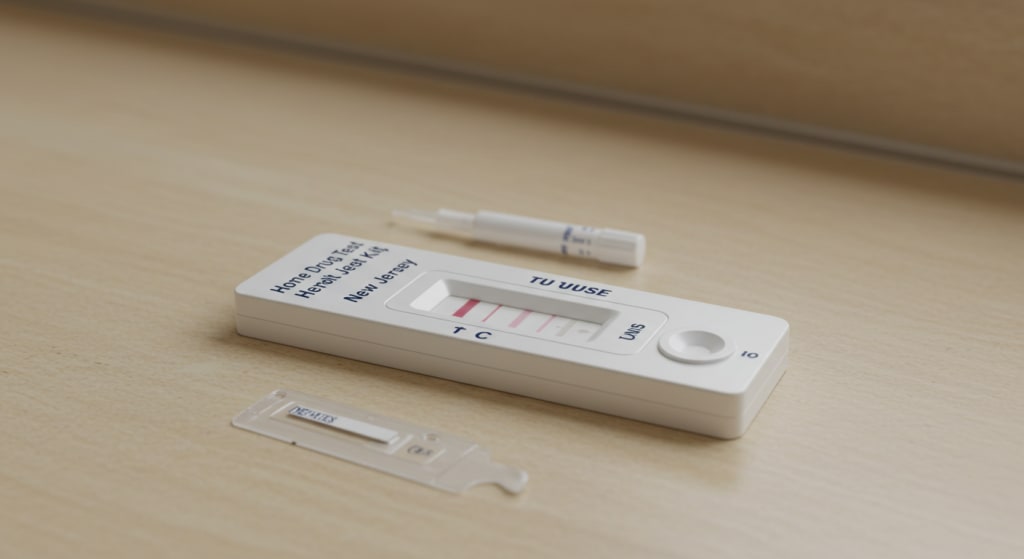
Ever wondered if at home drug tests really give you the peace of mind you’re looking for? I know the feeling you want quick answers, but you also don’t want to rely on something that may not tell the whole truth. If you’re in New Jersey and considering an at home drug test, there are a few things you should know before you use one.
Using these tests can be convenient, but understanding how they work, their limitations, and when professional help might be needed can make all the difference. Let’s go through the five most important things to keep in mind.
Accuracy is not always guaranteed
One of the first things people ask is, “How accurate are at home drug tests?” While many are designed to give quick results, accuracy can depend on several factors such as the type of drug being tested, the sensitivity of the kit, and whether the instructions are followed correctly.
The FDA has approved certain over the counter drug tests, but even those can show false positives or negatives. If the results are unclear or you suspect an error, confirm them with a certified lab test. According to the National Institute on Drug Abuse, professional lab testing remains the most reliable option for accuracy.
The type of drug test matters
Not all drug tests are the same. Some test saliva, others urine, and a few even check hair samples. Each method has its pros and cons. For example, urine tests are the most common and usually detect drugs taken in the past few days, while hair tests can reveal drug use over a longer period.
If you’re looking for a reliable option, consider researching the best at home drug test in NJ to see which type matches your needs. This way, you’re not just grabbing the first kit you see at the store ,you’re making a more informed choice.
Timing plays a huge role
When you take the test matters just as much as the type you choose. Drugs can show up in the body for different amounts of time depending on usage frequency, body type, and even hydration levels. For instance, marijuana can sometimes stay detectable in urine for weeks, while other drugs may leave the system in just a few days.
If you test too early or too late, you may not get an accurate reading. So always check the detection window listed on the test kit before using it.
Privacy and peace of mind
One of the biggest reasons people turn to at home tests is privacy. You can take the test in the comfort of your home without anyone else knowing. For parents, it can also provide a way to start a conversation with their teens in a less intimidating way.
However, remember that privacy should not come at the cost of reliability. If you find a positive result, it’s important to handle the situation with care and confirm it with a medical professional rather than relying on a single test.
What to do after you get the results
Getting the results can be nerve-wracking. If it’s negative, you may feel relief. But if it’s positive, the next steps matter most. Don’t panic. Instead, confirm the result with a professional test and, if needed, seek support from a trusted healthcare provider.
As the saying goes, “Knowledge is power, but only if it leads to action.” An at home drug test can give you knowledge, but what you do with it can make all the difference.
If you or a loved one is struggling, using an at home test should be the beginning of the journey, not the end. In many cases, seeking guidance from an addiction specialist or a local treatment center in New Jersey can open the door to recovery and support.
Final thoughts
At home drug tests in NJ can be helpful tools, but they are not perfect. Understanding their accuracy, choosing the right type, paying attention to timing, valuing privacy, and knowing the next steps are all key before you rely on one.
If you’re planning to use one, do your homework, prepare for the results, and remember that professional guidance is always available when you need it.
About the Creator
Keep reading
More stories from Jordyn Mastrodomenico and writers in Humans and other communities.
What You Should Know About Inpatient Drug Rehab in New Jersey Without Insurance
Looking for addiction treatment without insurance feels overwhelming. Many people assume rehab is only for those with coverage, and that belief stops them from seeking help. The truth is, inpatient drug rehab in New Jersey is still possible. Programs offer financial assistance, sliding scale fees, and state-funded options. Inpatient rehab gives you structure, medical care, and 24-hour support, which makes recovery more sustainable.
By Jordyn Mastrodomenico7 months ago in Humans
The Hidden Beauty And Personal Growth Within A Meaningful Singles Life
A meaningful singles life provides a special chance to discover oneself. In the absence of the interruptions or losses of a romantic relationship, people can concentrate on the discovery of their values, wants and emotional requirements. It is a time of self-reflection and introspection and it is during this time that the single people get to know who they are and what they really desire in life. This is because independence breeds confidence because people get to know how to depend on themselves to achieve happiness and fulfillment hence, developing a great sense of identity.
By Mark Hipster4 days ago in Humans



Comments
There are no comments for this story
Be the first to respond and start the conversation.