
4 Ways Remote Patient Care Reduces Hospital Readmissions for Chronic Patients
This article gives readers a better understanding on remote patient care.
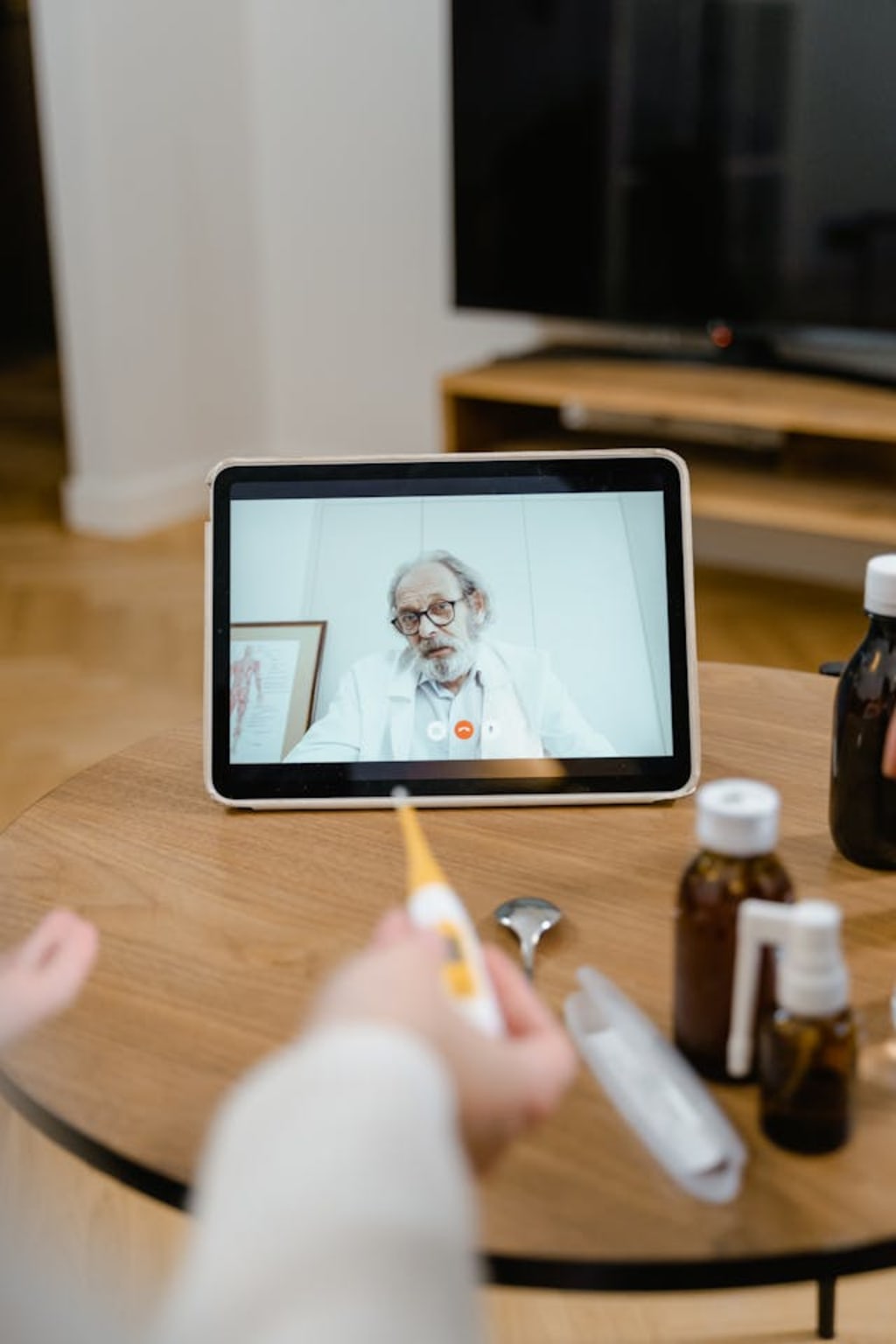
Tele-rehabilitation has turned into a vital component in chronic illness management due to the depreciation of rehabilitative hospital attendance. Most patients with chronic disease consider hospital readmission to be a serious issue. Remote monitoring aids in reducing this problem because the necessary interventions are done early, and patient care is offered at home.
Continuous Monitoring Enhances Health Management
The first benefit for a healthcare provider using remote care is that it allows monitoring of the patient’s state of health at all times. Through remote patient monitoring services, patients can wear devices like bands to track their symptoms, while doctors use apps on tablets and phones to check vital signs such as pulse, blood pressure, and blood sugar levels in real-time. This constant check and supervision makes it possible to identify any new and upcoming health issues before they become severe and difficult to treat. Understand that providers can monitor patient’s health status and, thus, make efforts to prevent patients with serious readmission risk from being worsened by serious diseases.
Improved Patient Engagement and Education
Remote patient care encourages increased accountability and outcomes with the understanding that the patients play a more active role in managing their future personal health. The availability of their data across multiple devices and, more so, across multiple digital platforms is a way of making patients aware of their conditions and of the paramount necessity of strictly following the treatment program agreed on with the doctor. Most remote monitoring programs also provide extensive, easy-to-read, educative materials that help the patient understand their chronic condition, why it is important to take the medications prescribed, and the changes in lifestyle that may help improve the results. Under this model of patient engagement, patients who are empowered and educated to take more responsibility for their health are much less likely to get sick enough to be readmitted to the hospital and to do so with complications or setbacks that drive up costs.
Timely Interventions Through Telehealth
Telehealth services supplement remote patient care services extensively since they can offer interventions in case of need at the appropriate time without causing delays to patients. Healthcare providers can act on any potential problem mentioned in the health data of a patient, making it possible for them to get a virtual consultation in the shortest time possible. Such a response permits timely decisions and therapeutic interventions to be made or perhaps keep a situation from requiring hospitalization or becoming considerably worse. Furthermore, synchronous consultation with patients through telehealth is also very efficient in response to ever arising concerns or questions from patients in order to reduce anxiety, while also emphasizing that the patients are never left alone throughout the process. They go a long way in greatly improving the care and treatment of chronic ailments, lowering emergency procedures, and overall long-term health of patients.
Personalized Care Plans Support Long-Term Health
Remote patient care is essential to supporting the creation of customized care plans that are geared toward each unique patient’s requirements and medical conditions. In essence, through a process of successive analysis of data acquired with the use of innovative monitoring systems, healthcare managers can design highly sensitive interventions that would effectively address patients’ health issues occasioned by chronic disease burdens. The specific care plans typically integrate a multitude of factors, including accurate administration of prescribed medications, recommended diets, and specific recommended exercises to improve a patient’s health. Such an approach to patient handling improves compliance with proscriptive measures and fosters patient responsibility and health monitoring. In the long run, the targeted care interventions favorably affect patients’ health status and assist with avoiding different complications, thus diminishing the readmission of chronic patients.
Conclusion
Remote patient care efficiently decreases hospital readmissions for chronic patients through ongoing, effective care, constant watchful eye, and early intervention, as well as customized patient treatment plans. When applied, the approaches mentioned above will aid the general health management of patients suffering from chronic diseases. While the technologies of remote monitoring are progressing, the possibilities of using them as tools for improving the health of people and decreasing the costs of healthcare are enhanced.
About the Creator
Keep reading
More stories from hannahboothe789 and writers in Humans and other communities.
5 Ways to Improve Your Health in 2024
With the new year starting, this presents a great opportunity for us all to recommit ourselves to be in better health moving forward. As you age, you will experience life with limitless possibilities as the fruits of modern discovery and innovation are made available to you. Whether you prefer improving physical or emotional health or a more disciplined approach to nutrition, these 5 strategies are sure signposts!
By hannahboothe789about a year ago in Humans
Ludacris and Nelly draw backlash over bookings at MAGA-coded music festival
Ludacris and Nelly headlining a mostly right-wing event is good for them. It’s also great for the genre of hip hop. The two rap veterans have showcased their talents on other stages. Why can’t they perform for mostly MAGA folks and grab that bag?
By Skyler Saunders3 days ago in Beat



Comments (1)
Hey, just wanna let you know that this is more suitable to be posted in the FYI community 😊