
12 Tips for Maintaining Good Dental Health
The Importance of Brushing, Flossing, and Visiting the Dentist
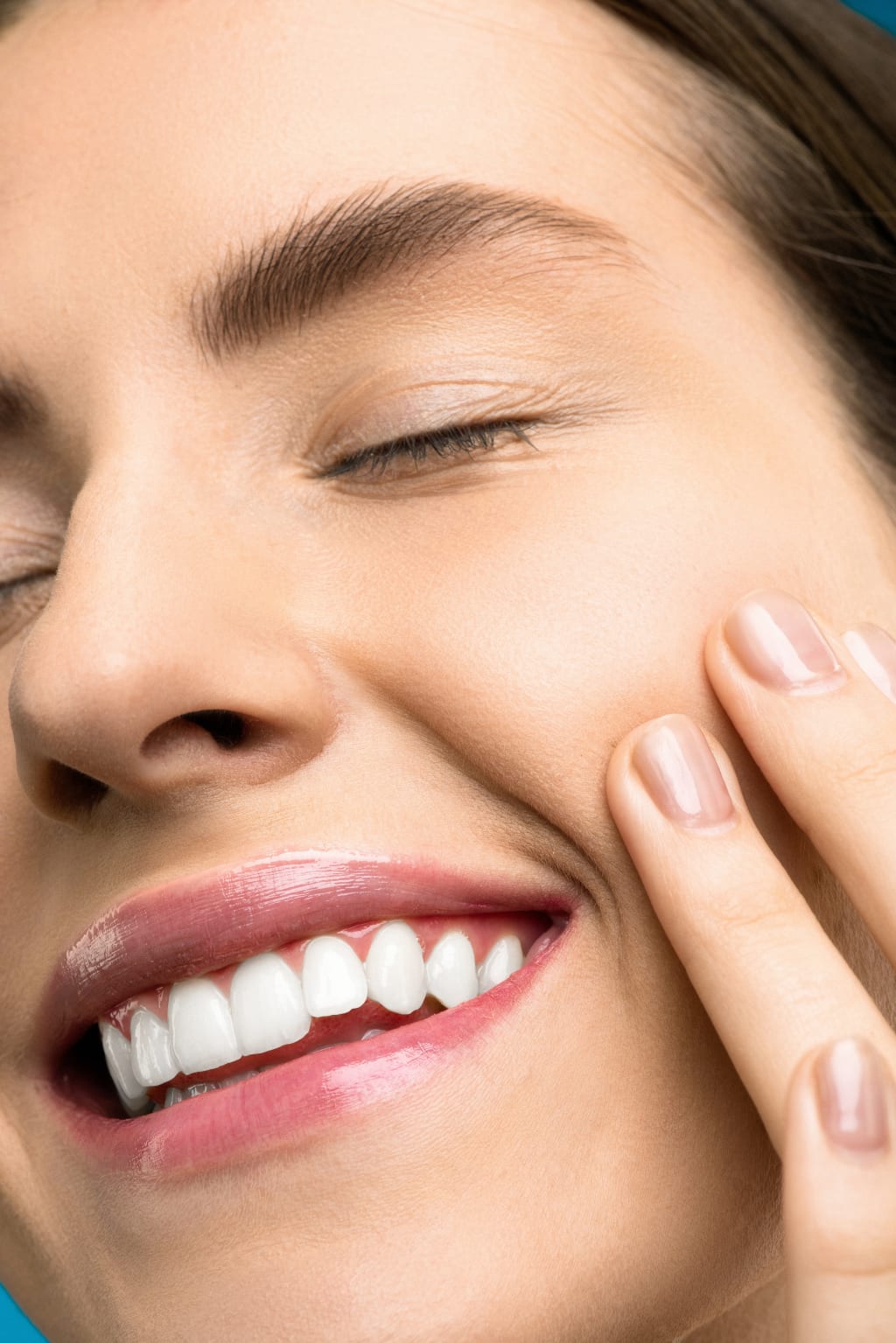
Maintaining good dental health is important for a number of reasons. Good dental hygiene can help prevent tooth decay and gum disease, which can lead to tooth loss, pain, and other health problems. It can also help improve your overall health and well-being, as research has linked poor oral health to conditions such as heart disease, diabetes, and stroke. Here are some tips to help you maintain good dental health:
CLICK HERE FOR A WORKING DENTAL PRODUCT
Brush Twice a Day
Brushing your teeth twice a day is essential for removing plaque, a film of bacteria that forms on your teeth and gums. Plaque can lead to tooth decay and gum disease if it is not removed regularly. To brush effectively, use a fluoride toothpaste and a soft-bristled toothbrush. Angle the toothbrush towards the gum line at a 45-degree angle and use gentle circular motions to scrub the fronts, backs, and tops of your teeth. Be sure to brush for at least two minutes to ensure that you are removing as much plaque as possible.
Floss Daily
Flossing is an important part of dental hygiene because it removes plaque and food particles that your toothbrush cannot reach. Use about 18 inches of floss and gently guide it between your teeth, using a back and forth motion. Be sure to floss behind your back teeth and use a clean section of floss for each tooth.
Use Mouthwash
Mouthwash can help kill bacteria and freshen your breath. Look for a mouthwash that contains fluoride, as fluoride can help strengthen your teeth and prevent tooth decay. Rinse your mouth with mouthwash for about 30 seconds after brushing and flossing.
Avoid Sugary Foods and Drinks
Sugar is a major contributor to tooth decay, so it is important to limit your intake of sugary foods and drinks. Choose water or milk instead of soda, and opt for healthy snacks like fruits and vegetables instead of candy and cookies. If you do consume sugary foods, try to do so at mealtimes, as the increased saliva production during meals can help rinse away the sugar.
Don't Smoke or Use Smokeless Tobacco
Smoking and the use of smokeless tobacco can greatly increase your risk of gum disease and tooth loss. The chemicals in tobacco products can also stain your teeth and cause bad breath. If you currently smoke or use tobacco products, consider quitting to improve your oral and overall health.
Visit the Dentist Regularly
Visiting the dentist regularly is an important part of maintaining good dental health. Your dentist can help identify and treat any problems that you may not be aware of, such as cavities or gum disease. Most dentists recommend that you visit every six months for a cleaning and check-up.
Wear a Mouthguard
If you play sports, it is important to wear a mouthguard to protect your teeth from injury. Mouthguards can help prevent tooth loss and other dental injuries, and they are especially important for those who play high-contact sports like football and boxing.
Choose a Toothpaste with Fluoride
Fluoride is a mineral that helps strengthen your tooth enamel and prevent tooth decay. It is found in many toothpaste products, and using a toothpaste with fluoride can help protect your teeth from cavities.
Use a Toothbrush with Soft Bristles
Using a toothbrush with soft bristles can help protect your tooth enamel and gums from damage. Hard bristles can scrub away at your tooth enamel and irritate your gums, leading to sensitivity and other problems.
Replace Your Toothbrush Regularly
It is important to replace your toothbrush every three to four months, or sooner if the bristles become frayed. A worn-out toothbrush will not clean your teeth as effectively, and it can also harbor bacteria.
Don't Brush Too Hard
While it is important to brush thoroughly, it is also important not to brush too hard. Brushing too hard can cause your gums to recede, leading to sensitivity and even tooth loss. Use gentle circular motions when brushing and avoid applying too much pressure.
Consider Using an Electric Toothbrush
Electric toothbrushes can be more effective at removing plaque and preventing cavities than manual toothbrushes. They can also be easier to use for those with dexterity issues. If you are considering switching to an electric toothbrush, be sure to choose one with soft bristles and a timer to ensure that you are brushing for the recommended two minutes.
By following these tips, you can help maintain good dental health and keep your teeth and gums healthy and strong. Remember to be consistent with your oral hygiene routine and visit your dentist regularly to ensure that any potential problems are caught and treated early on.
About the Creator
This Is the Secret Reason Why Your Good Writing Is Not Getting Views.
You write well. Your sentences flow. Your ideas show depth. Your grammar holds steady. Nobody reads it. The reason hurts because it sounds unfair. Quality alone does not earn attention online. Relevance does.
By Wilson Igbasi6 days ago in Humans
Wild Card Weekend Recap: What Happens Now?
I think I figured out why I love Wild Card Weekend so much. It's because it's the first playoff anything of the calendar year. The NFL season starts in the fall, and once upon a time, the champion was crowned either on or slightly before New Year's. The evolution of the NFL schedule has resulted in the playoffs starting just into the New Year, and currently, the final week of the season falls on the first weekend of the New Year, with Wild Card Weekend coming a week after that. So yes, chronologically, the NFL's Wild Card Weekend serves as the first playoff anything of the calendar year.
By Clyde E. Dawkins7 days ago in Unbalanced




Comments
There are no comments for this story
Be the first to respond and start the conversation.