
10 Intermittent Fasting Habits That Are Silently Sabotaging Your Progress
Think you're doing intermittent fasting right? These sneaky habits could be stopping your body from burning fat and reaching your goals.

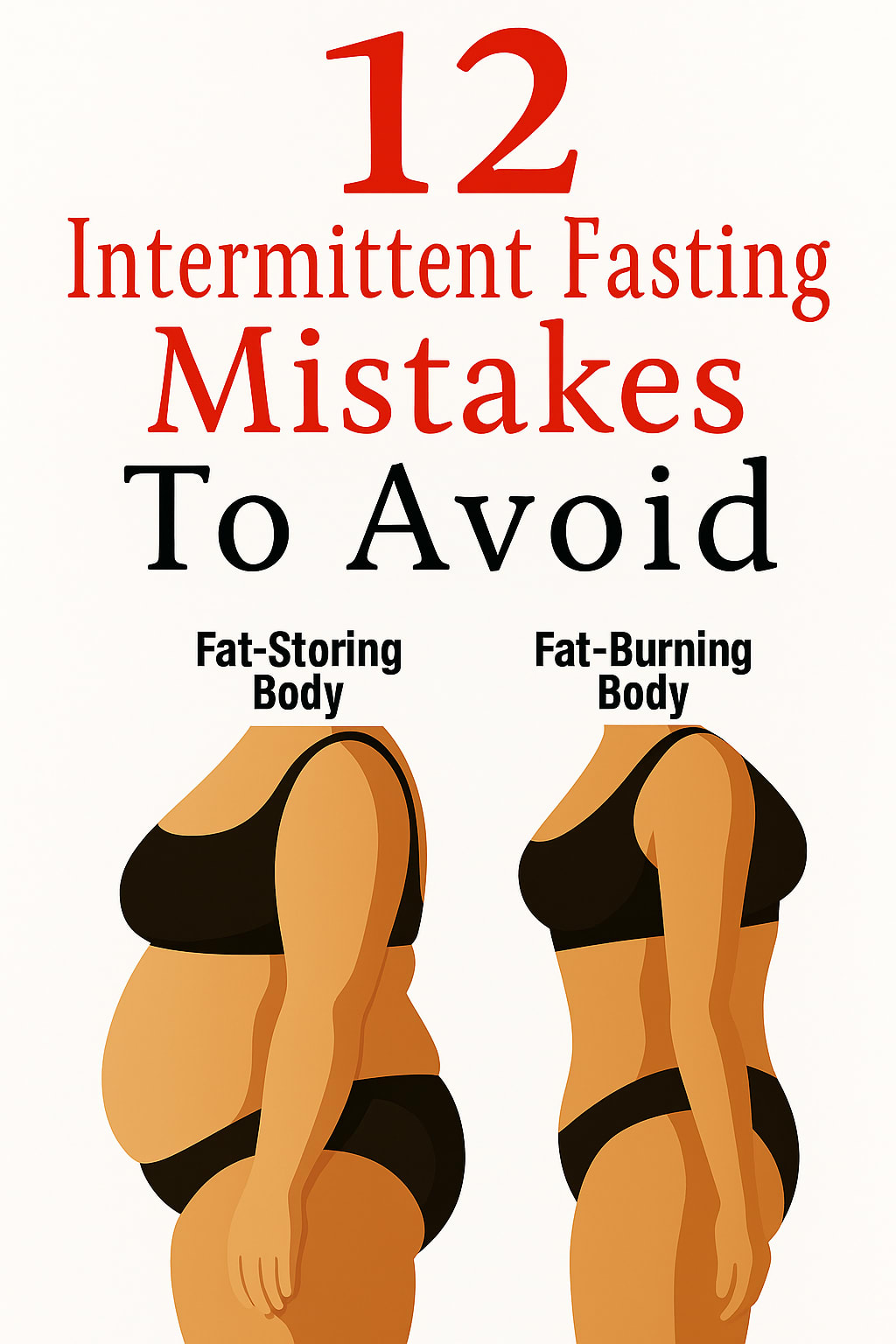
When I first started intermittent fasting, I thought skipping breakfast was all it took. I followed the 16:8 rule, fasted diligently, and waited for the fat to melt away.
But after a month? Nothing.
In fact, I felt bloated, tired, and frustrated. Sound familiar?
Turns out, fasting isn’t just about when you eat—it’s also how you eat, what you eat, and even what you do between meals. I was unknowingly making several small mistakes that were completely blocking my progress.
After correcting these habits, my energy levels skyrocketed, the fat started dropping, and I felt like my body was finally cooperating.
Here are 10 common intermittent fasting mistakes that could be holding you back—plus how to fix them for good.
---
1. Eating Too Much During Your Eating Window
It’s tempting to treat your eating window like a free-for-all. But intermittent fasting isn't a license to overeat.
Why it's a problem:
Consuming more calories than you burn—fasting or not—will prevent fat loss.
Fix it:
Stick to balanced portions and focus on nutrient-dense meals. Use your window to nourish, not binge.
---
2. Skipping Water During Fasts
One of the most common mistakes is forgetting to stay hydrated.
Why it's a problem:
Dehydration can slow metabolism, increase hunger, and cause fatigue—making your fast harder than it needs to be.
Fix it:
Drink at least 2–3 liters of water daily, even during fasting hours. Herbal teas or water with lemon can help too.
---
3. Breaking Your Fast With the Wrong Foods
What you eat first matters more than you think.
Why it's a problem:
Breaking a fast with sugar or highly processed carbs causes a spike and crash in blood sugar, leading to more cravings.
Fix it:
Break your fast with protein, healthy fats, and fiber. Think eggs with avocado, or a green smoothie with protein powder and chia seeds.
---
4. Not Getting Enough Sleep
Intermittent fasting isn't magic—it still relies on the basics of health.
Why it's a problem:
Poor sleep increases cortisol, promotes fat storage (especially belly fat), and leads to sugar cravings.
Fix it:
Aim for 7–9 hours of quality sleep each night. Your body does a lot of fat-burning while you rest.
---
5. Relying on Coffee Alone to Curb Hunger
Yes, black coffee can suppress appetite—but it’s not a meal.
Why it's a problem:
Too much caffeine on an empty stomach can raise cortisol and cause crashes later in the day.
Fix it:
One or two cups is fine, but balance with water or herbal tea. Don’t use coffee to mask real hunger signals.
---
6. Fasting Too Aggressively
If you’re new to fasting and jump into 20-hour fasts, you might burn out.
Why it's a problem:
Extended fasting too soon can backfire, making you overeat later and stress your hormones.
Fix it:
Start slow—try 12:12, then work up to 16:8. Let your body adapt gradually.
---
7. Not Moving Enough During Your Fast
Movement helps your body tap into fat stores more effectively.
Why it's a problem:
Being sedentary during your fast limits fat oxidation and can lead to sluggishness.
Fix it:
Go for light walks, stretch, or do low-impact workouts while fasting. It supports energy and fat loss without overexertion.
---
8. Overtraining While Fasting
On the flip side, too much intense exercise while fasting can also hurt your progress.
Why it's a problem:
You risk burning muscle instead of fat and may increase stress hormones.
Fix it:
Keep workouts moderate, especially fasted. Save intense sessions for post-meal windows when you have fuel.
---
9. Ignoring Your Body’s Hunger Signals
Fasting is a powerful tool, but not if you ignore what your body is telling you.
Why it's a problem:
Forcing a fast when your body is clearly asking for food can harm your metabolism long-term.
Fix it:
Listen. If you're dizzy, irritable, or fatigued, it might be time to eat. Flexibility is key.
---
10. Thinking Intermittent Fasting Works Alone
Fasting helps, but it’s not a magic solution.
Why it's a problem:
Many people believe they can fast without considering sleep, stress, nutrition, or exercise—and still expect results.
Fix it:
Use fasting as one part of a healthy lifestyle puzzle. Pair it with whole foods, proper rest, hydration, and gentle movement.
---
Final Thoughts: Your Body Is Always Talking—Listen Closely
The biggest lesson I learned? Fasting works with your body, not against it. When you fine-tune your approach—stay hydrated, get rest, and respect your hunger cues—you unlock incredible results.
I went from feeling bloated and stuck to energized and in control. It wasn’t about fasting harder, but fasting smarter.
So if you’re not seeing results yet, don’t give up. You might just be one tiny habit away from finally seeing your body shift into fat-burning mode.
About the Creator
Keep reading
More stories from Mr Haris Khan and writers in Humans and other communities.
How a Dog Helped Me Heal From Depression
I never believed a dog could save a life—until one saved mine. When you're deep in depression, even the smallest tasks feel like climbing a mountain barefoot. Waking up becomes a battle, and hope turns into a stranger. I was lost in that darkness—numb, exhausted, and convinced nothing could bring me back. Then, a wet nose nudged my hand. That’s how it all started.
By Mr Haris Khan8 months ago in Humans
A Pachelbel Canon Night
When I was writing my first book, the world around me was asleep, and I was awake in the wonder of the light. Every guidance was in the nuance of the living form. I had a house then and not much else, but I had a room for which to grow and live, and everything else was a beam of light to see by. I lived in prayer, in meditation, and there was no radical transformation. It was more of a sifting and taking it all in.
By Canuck Scriber Lisa Lachapelle18 days ago in Humans
Signs You Already Met Your Soul Tribe Without Noticing.
We often search far and wide for our soul tribe, the group of people who resonate deeply with our energy, values, and purpose. Yet sometimes, they are already around us, unnoticed in the midst of everyday interactions. Your soul tribe is not necessarily your closest friends or family, but those who uplift, challenge, and support your growth at a soul level. Recognizing them requires awareness, intuition, and understanding subtle signs that go beyond ordinary connection.
By Wilson Igbasia day ago in Humans
Bruce Lee and The God of War: Kuan Ti
It starts with love.. The Power to the God Of War and Wealth Walk into a Chinese restaurant (even in Oklahoma, USA), a Chinese police station, a kung fu martial arts studio or even a Chinese temple and you often see a red faced warrior holding a heavy quan-do (spear like weapon).
By WILD WAYNE : The Dragon King6 days ago in Chapters



Comments
There are no comments for this story
Be the first to respond and start the conversation.