
10 Habits for Maintaining Strong and Healthy Teeth
Maintaining Strong and Healthy Teeth

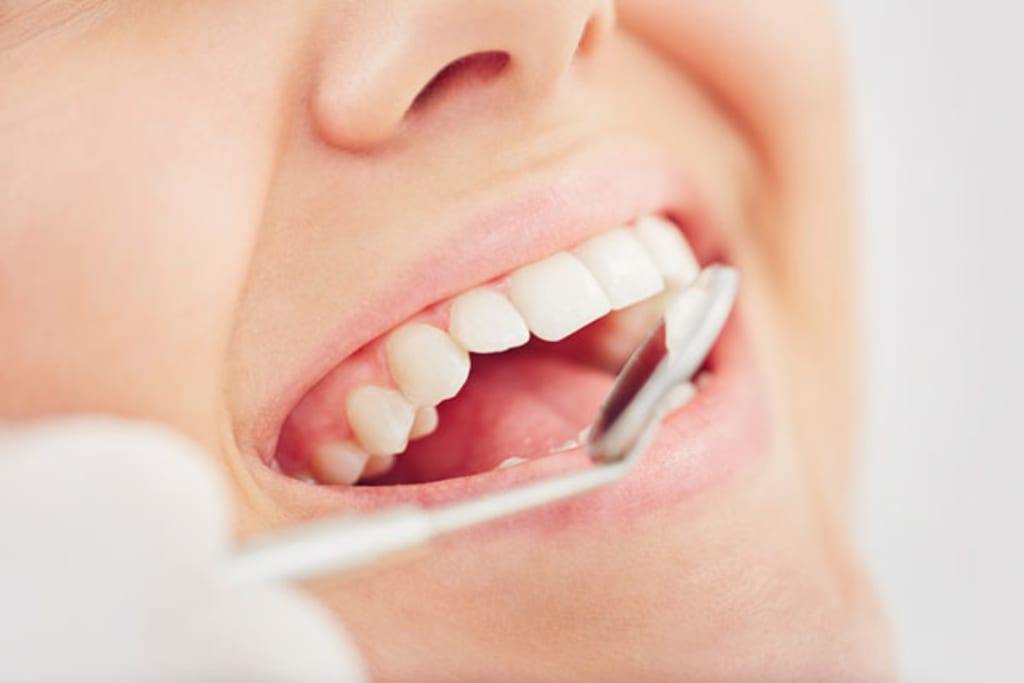
Maintaining strong, healthy teeth is essential not only for a beautiful smile but also for overall health. Poor oral hygiene can lead to a variety of dental problems, including cavities, gum disease, and even tooth loss. The good news is that many of these issues are preventable with the right habits and practices. Here are 10 essential habits for keeping your teeth strong and healthy for years to come.
1. Brush Your Teeth Twice a Day
Brushing your teeth at least twice a day—once in the morning and once before bed—is one of the most basic yet essential habits for maintaining oral health. Brushing removes plaque, a sticky film of bacteria that forms on your teeth and gums. Plaque buildup can lead to cavities, gum disease, and other oral issues if not removed regularly.
Use a fluoride toothpaste, which helps prevent cavities and strengthens tooth enamel. Ensure that you brush for at least two minutes each time, covering all surfaces of each tooth. A good technique involves using gentle, circular motions to avoid damaging the gums and enamel.
2. Floss Daily
While brushing is crucial, it can't reach every part of your teeth. Flossing helps remove plaque and food particles between your teeth that your toothbrush may miss. It also helps reduce the risk of gum disease by preventing plaque buildup along the gumline.
Make it a habit to floss once a day, preferably before bed. Proper flossing involves gently sliding the floss between your teeth and curving it around each tooth in a C-shape to clean below the gumline. Be careful not to snap the floss, as this can cause gum irritation or bleeding.
3. Use Mouthwash Regularly
Mouthwash is a great addition to your oral care routine. It can help freshen your breath, reduce plaque, and fight bacteria in your mouth. Choose a mouthwash that contains fluoride or antimicrobial agents to help protect against tooth decay and gum disease.
Rinsing with mouthwash can reach areas that brushing and flossing might miss, especially in the crevices between teeth and along the gumline. Incorporating mouthwash into your daily routine can provide an extra layer of protection for your oral health.
4. Maintain a Balanced Diet
What you eat plays a significant role in your oral health. A balanced diet rich in vitamins and minerals is essential for strong teeth. Foods high in calcium, such as dairy products, leafy greens, and fortified plant-based alternatives, are especially important for maintaining strong tooth enamel.
Limit sugary and acidic foods, as they can contribute to tooth decay. Sugar feeds harmful bacteria in the mouth, leading to plaque formation and cavity development. Acidic foods and drinks, like citrus fruits and sodas, can erode enamel over time. When you do indulge in sugary or acidic foods, try to rinse your mouth with water afterward to minimize their impact.
5. Stay Hydrated
Drinking water throughout the day is essential for overall health, including your oral health. Water helps wash away food particles and bacteria that can lead to plaque buildup. It also promotes the production of saliva, which is a natural defense against cavities and gum disease. Saliva helps neutralize acids in the mouth and provides essential minerals for tooth remineralization.
If you’re drinking beverages other than water, be mindful of the impact on your teeth. Sugary drinks, like sodas and sweetened coffees, can contribute to tooth decay, while acidic drinks can weaken tooth enamel.
6. Visit Your Dentist Regularly
Regular dental check-ups are crucial for maintaining healthy teeth. Schedule a visit to your dentist every six months for a professional cleaning and an examination of your teeth and gums. Regular check-ups allow your dentist to detect issues early, such as cavities or signs of gum disease, and take preventive measures before they become more serious problems.
Your dentist can also provide personalized advice on oral hygiene and recommend treatments or products that are best suited to your specific needs. Regular cleanings also remove tartar, which can only be removed by a professional and is a significant contributor to gum disease.
7. Avoid Smoking and Tobacco Products
Smoking and using tobacco products not only stain your teeth but also contribute to a host of oral health issues, including gum disease, bad breath, and an increased risk of oral cancer. Tobacco use reduces blood flow to the gums, which weakens the tissue and makes it harder for the body to fight infections.
If you smoke or use tobacco, consider quitting for the benefit of your teeth and overall health. Your dentist can help you find resources and support to quit smoking.
8. Chew Sugar-Free Gum
Chewing sugar-free gum after meals is a simple yet effective way to promote dental health. Gum helps stimulate saliva production, which, as mentioned earlier, is essential for neutralizing acids in the mouth and remineralizing teeth. Saliva also helps wash away food particles and bacteria, keeping your mouth cleaner between brushings.
Look for gum that contains xylitol, a sugar substitute that has been shown to reduce the risk of tooth decay. Chewing gum for 20 minutes after meals can also help freshen your breath and reduce the buildup of plaque.
9. Protect Your Teeth from Injury
Accidents happen, but it’s important to take steps to protect your teeth from injury. If you play contact sports or participate in activities with a risk of dental injury, wear a mouthguard to protect your teeth from being chipped, cracked, or knocked out.
Additionally, avoid habits that can damage your teeth, such as using them to open packages or biting hard objects. Teeth are meant for chewing food, not for other tasks, and using them incorrectly can lead to cracks or breakage.
10. Watch for Warning Signs of Oral Problems
Being proactive about your oral health means paying attention to any changes in your mouth. If you notice any pain, swelling, bleeding gums, or changes in your bite, it’s essential to seek dental care promptly. Early detection of problems such as cavities or gum disease can prevent more serious issues down the road.
Regular self-exams are an excellent way to stay on top of any potential oral health issues. Check for any unusual changes in the color or shape of your teeth and gums, and be aware of persistent bad breath, as it could signal an underlying problem.
Conclusion
Maintaining strong and healthy teeth requires consistent effort and healthy habits. Brushing and flossing regularly, visiting your dentist for check-ups, eating a balanced diet, and avoiding harmful habits like smoking are all crucial steps toward achieving optimal oral health. By incorporating these 10 habits into your daily routine, you can enjoy a bright, healthy smile for years to come. Your teeth deserve the best care, and by prioritizing oral hygiene, you’re investing in both your smile and your overall well-being.
About the Creator
Paramjeet kaur
Hey people! I am my own person and I love blogging because I just love to share the small Stories
Keep reading
More stories from Paramjeet kaur and writers in Humans and other communities.
Ayurveda Unveiled: Understanding the Profound Benefits for Body and Mind
Ayurveda, often referred to as the "science of life," is an ancient holistic healing system that originated in India over 5,000 years ago. Rooted in the belief that the mind, body, and spirit are interconnected, Ayurveda seeks to achieve balance and harmony within the individual to promote overall well-being. In recent years, there has been a resurgence of interest in Ayurveda as people seek natural and holistic approaches to health and wellness. In this exploration, we delve into the profound benefits that Ayurveda offers for both the body and mind.
By Paramjeet kaur2 years ago in Humans
Co-Living Impacts Dating Dynamics Communication And Emotional Connection Significantly
Dating is greatly affected by co-living, in which couples or partners live together in one house. It brings about quick intimacy and interaction in real life and one gets a chance to learn about routines, habits, and preferences. Shared space brings intimacy as well as it reveals the possible difference of lifestyle including cleaning, schedules, and personal boundaries.
By Mark Hipstera day ago in Humans




Comments
There are no comments for this story
Be the first to respond and start the conversation.