
10 fascinating and somewhat strange things your body and brain do
Top 10 List of your body and brain do

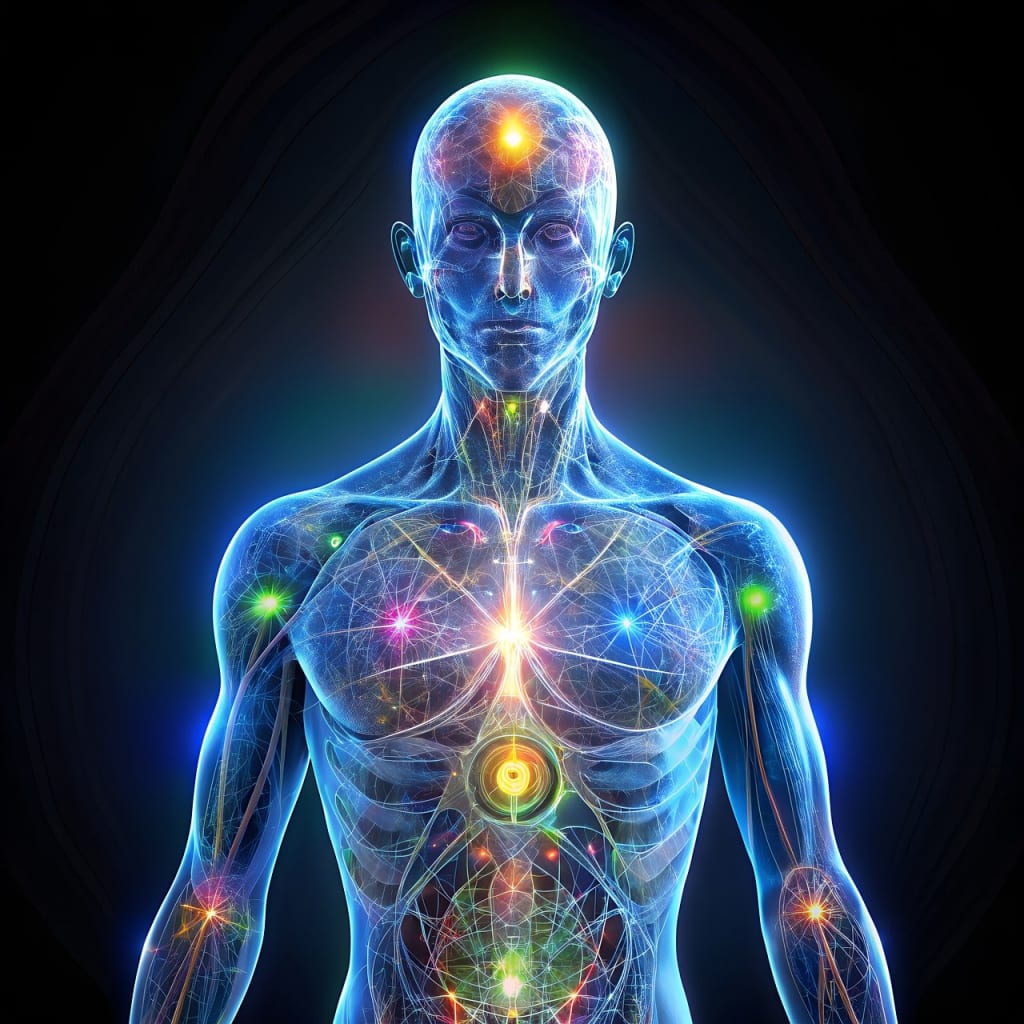
1. Phantom Vibration Syndrome
Imagine this: you feel your phone vibrating, but when you check, there’s no notification. This phenomenon, called phantom vibration syndrome, occurs because our brains are conditioned to expect constant digital communication. The brain often misinterprets sensory cues, like clothing movement or muscle twitches, as vibrations from a phone, especially if we’re used to checking it frequently.
2. The Hypnic Jerk
Just as you’re about to drift off to sleep, your whole body jolts awake as if you’re falling. Known as a hypnic jerk, this sudden muscle spasm can be startling. It’s believed to occur because, as you fall asleep, the brain enters a relaxed state, sometimes misinterpreting the relaxation as a fall, which leads to a reflexive “wake-up” jolt to protect you from a perceived threat .
3. Brain Freeze (Sphenopalatine Ganglioneuralgia)
Brain freeze happens when you consume something cold too quickly, causing blood vessels in the roof of the mouth to constrict and then rapidly dilate. This causes a sharp, brief headache. The brain interprets the sudden temperature drop in the mouth as a danger signal, resulting in referred pain that feels like it’s in your head, hence “brain freeze” .
4. Goosebumps
Goosebumps occur when tiny muscles at the base of hair follicles contract, often due to cold or intense emotions. They’re a vestige from our ancestors, whose body hair would stand up for warmth or to appear larger when threatened. While humans don’t rely on body hair for warmth, goosebumps still appear, particularly when we’re cold, scared, or emotionally moved by music or memories.
5. Yawning Contagion
Yawning is one of the most contagious behaviors among humans, and seeing or hearing someone yawn can trigger a yawn in others. This phenomenon is thought to be related to social bonding and empathy. The brain mirrors behaviors it observes, which may be why empathetic individuals are more prone to “catching” yawns.
6. Your Brain Rehearses Future Events (Mental Time Travel)
When preparing for a big event, you might find yourself mentally rehearsing scenarios over and over. This is your brain engaging in “mental time travel,” a uniquely human ability to project ourselves into the future. This capability helps us manage stress and prepare emotionally for possible outcomes, as well as ensuring we’re better prepared for real-life situations.
7. Your Brain Can ‘See’ While You Dream (Rapid Eye Movement - REM)
During REM sleep, your brain remains highly active and processes emotional and memory-based information. REM is associated with vivid dreams, where the brain “watches” scenarios unfold, sometimes creating a visual experience as real as wakeful sight. The rapid eye movements that occur during this stage mirror the action within the dream, essentially causing the brain to “watch” these scenarios as if they’re real .
8. Memory Glitches and the Mandela Effect
Have you ever been certain that something happened one way, only to discover you remembered it completely wrong? This phenomenon, sometimes known as the Mandela Effect, highlights how memory is not a perfect recording device but is instead highly suggestible and error-prone. The brain sometimes confuses memories, fills in gaps, or combines similar events, creating false memories that feel very real. This can lead entire groups to recall events inaccurately.
9. The Body’s Internal Clock (Circadian Rhythms)
Our bodies are governed by an internal clock that controls sleep, energy, mood, and even hormone levels. Known as the circadian rhythm, this biological process regulates when we feel awake and when we feel sleepy. The hypothalamus in the brain responds to environmental cues, like daylight, to help maintain this 24-hour cycle. Even slight disruptions, like changing time zones, can throw this rhythm off, leading to feelings of jet lag or seasonal affective disorder.
10. Fight-or-Flight Response to Stress
The fight-or-flight response is an ancient survival mechanism that kicks in when we sense danger. This response floods the body with adrenaline, raises the heart rate, and directs blood flow to muscles, preparing us to either confront the threat or run away. However, modern stresses, like exams or public speaking, can trigger this response as well, causing physical symptoms like sweating, rapid heartbeat, or trembling, even when there’s no physical danger.
Final Thoughts
These quirks are a mix of evolutionary adaptations, survival mechanisms, and sensory tricks that make our bodies and minds complex. They highlight the remarkable, sometimes odd, ways our brains and bodies work to protect us, keep us connected, and interpret the world around us.
About the Creator
David Andrews
Hi, I'm David A., I'm excited to explore topics that inspire, inform, and engage readers across different genres. I bring a blend of curiosity and creativity to my writing journey here on Vocal Media.
Keep reading
More stories from David Andrews and writers in Humans and other communities.
"Beyond the Books: 10 Surprising Facts About History's Most Famous Icons"
"We all know the famous names: George Washington, Napoleon Bonaparte, and Marie Curie. But did you know that these historical figures had some surprising quirks and hidden talents? From pranking friends to writing secret code, the lives of these famous figures were full of unexpected twists and turns. In this article, we'll explore 10 fascinating lesser-known facts about some of history's most famous figures. Get ready to be surprised!"
By David Andrews3 years ago in Humans
Second Chance At Love That Brings Hope Healing And New Beginnings
The heartbreak may cause some deeply emotional scars, which makes the very thought of love unpredictable or even impossible. The second love gives a second opportunity to hope, though, and helps people to remember that deep connection is still possible. The hope makes the heart open so that people can perceive a future in which love is rewarding, helpful and enriching to each other.
By Mark Hipstera day ago in Humans



Comments
There are no comments for this story
Be the first to respond and start the conversation.