
Why We Love to Be Scared: The Science Behind Horror Movies
The Chilling Psychology Behind Our Love for Fear and Fright
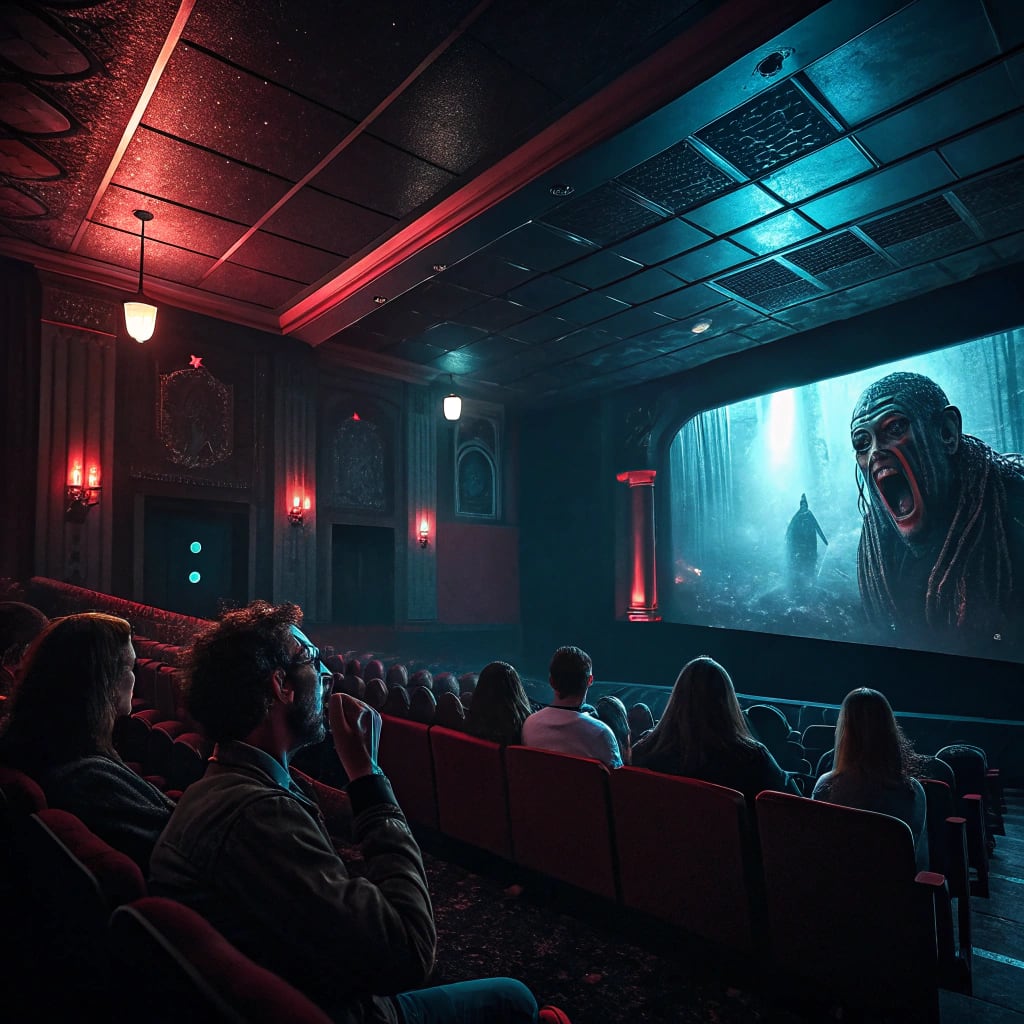
Why do we love horror movies? Why do we voluntarily sit through terrifying jump scares, eerie music, and spine-chilling scenes—only to come back for more? The answer lies in psychology, neuroscience, and a bit of human curiosity. Fear is an instinct designed to protect us, yet we seek it out in entertainment. Let's dive into the fascinating science behind why horror movies captivate us.
The Psychology of Fear: A Safe Adrenaline Rush
Fear triggers our "fight-or-flight" response, releasing adrenaline, dopamine, and endorphins. Unlike real-life threats, horror movies offer a controlled environment where we can experience fear without actual danger. This creates an exhilarating sensation, similar to riding a roller coaster.
Psychologists call this "recreational fear"—a way to enjoy fear while knowing we are safe. Our brain gets the thrill of danger without any real consequences.
The Science of Suspense and Jump Scares
Horror movies master the art of suspense, using eerie sound design, unpredictable pacing, and sudden surprises to keep audiences on edge. The startle reflex, a natural response to sudden stimuli, is triggered by jump scares—making our hearts race and our bodies react before we even process what happened.
Interestingly, some people enjoy this heightened state of arousal, while others find it overwhelming. This explains why some love horror films, while others avoid them.
The Role of Dopamine: Horror as a Reward System
Studies suggest that watching horror movies activates the brain’s reward system. The rush of dopamine and adrenaline makes us feel alive and engaged. Some people, known as "sensation seekers," crave intense experiences, which is why they are drawn to horror.
Additionally, horror movies provide a sense of relief once the fear subsides. The feeling of conquering fear can be satisfying, making viewers return for more.
Why Do Some People Love Horror More Than Others?
Not everyone enjoys horror movies, and that’s okay. Our personal tolerance for fear depends on factors like personality, upbringing, and past experiences.
Thrill-seekers tend to enjoy horror more because they seek excitement.
Empathetic individuals might find horror distressing rather than thrilling.
Cultural background influences fear perception—some cultures embrace supernatural horror, while others find psychological horror scarier.
Horror as a Social Experience
Watching horror movies isn’t just about individual fear—it’s a social bonding experience. Whether in a theater or at home, experiencing fear together strengthens connections. This is why horror movies are popular for date nights and group gatherings—they create a shared emotional rollercoaster.
Conclusion: The Addictive Power of Fear
Horror movies tap into deep-seated psychological and biological responses, making them both terrifying and thrilling. They allow us to confront fear in a safe space, test our limits, and even enjoy the sense of victory that comes after facing something scary.
About the Creator
Keep reading
More stories from ayoub kaas and writers in Horror and other communities.
The Haunting Legacy of Abandoned Asylums: Real-Life Tales of Terror and Mystery
Are you ready to delve into the eerie world of abandoned asylums? These structures stand as a haunting reminder of a bygone era, where patients were often mistreated and neglected. Let's uncover some spine-chilling tales and mysteries surrounding these abandoned asylums.
By ayoub kaas12 months ago in Horror


Comments
There are no comments for this story
Be the first to respond and start the conversation.