
"Why We Crave Horror Movies"
Why We Crave Horror Movies: Stephen King’s Dark Psychology of Fear (Original in Playboy, 1981)
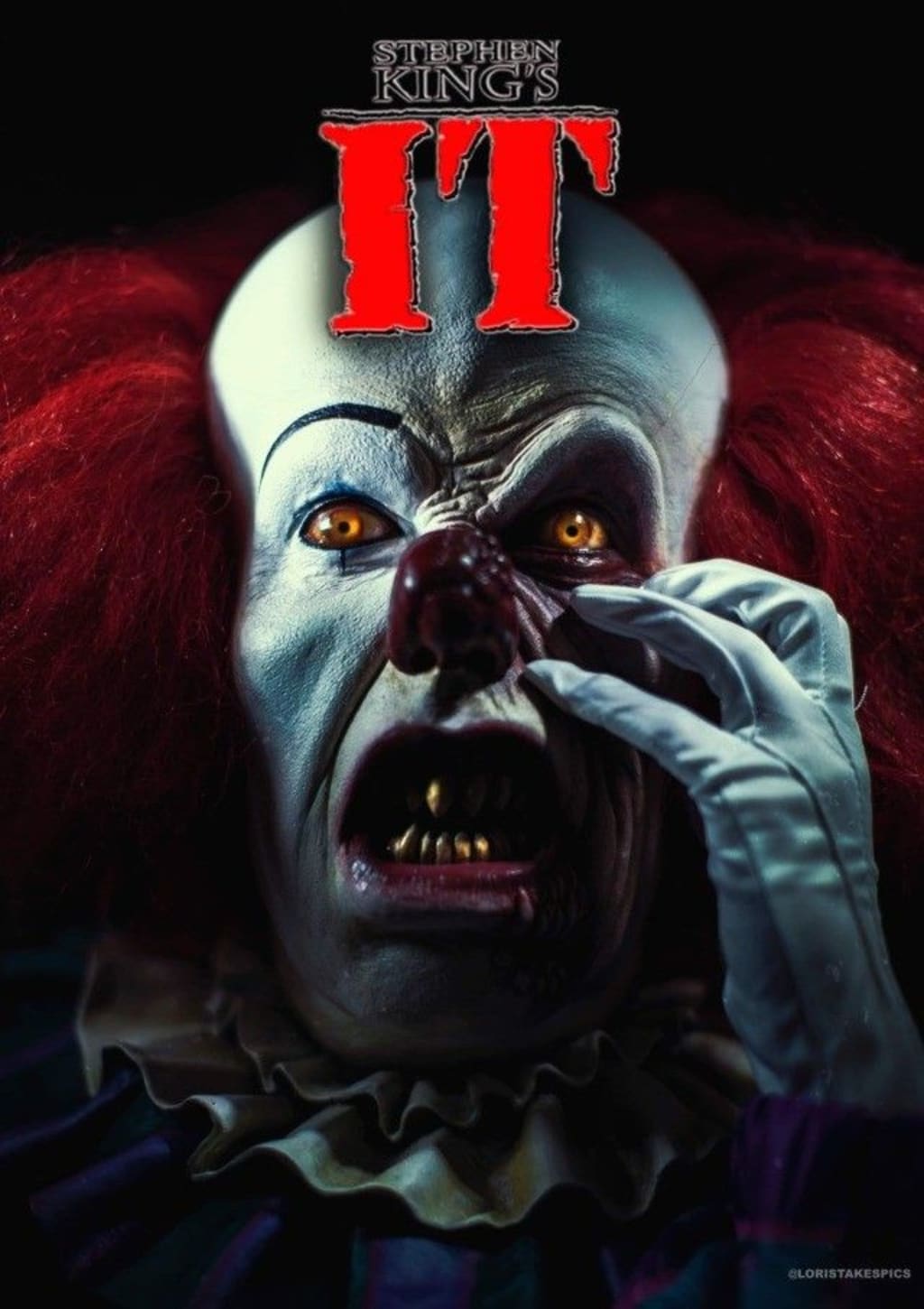
"Why We Crave Horror Movies" – Stephen King (Originally in Playboy, 1981)
Introduction
In his provocative 1981 Playboy essay, Stephen King—the undisputed master of horror—delves into humanity’s obsession with fear, asking: Why do we pay to watch things that make us scream?
Far from a simple genre analysis, "Why We Crave Horror Movies" explores the primal, psychological, and even civilizing functions of horror. King argues that these films act as a pressure valve for our darkest impulses, allowing us to indulge in taboo fantasies without real-world consequences.
This article unpacks King’s theories, examines their validity through modern psychology, and reveals why—40+ years later—his essay remains the definitive take on horror’s enduring appeal.
1. Stephen King’s Central Argument: Horror as a Social Release
King’s essay hinges on three core ideas:
A. We Are All Mentally Ill
King provocatively claims that everyone has latent insanity—violent thoughts, irrational fears, morbid curiosities.
Horror movies let us safely express these repressed emotions.
Example: Watching a zombie horde tear apart victims allows us to vicariously unleash aggression.
B. Horror Reinforces Normality
By showing monsters, killers, and the supernatural, horror films make viewers feel comparatively sane and moral.
King compares it to public executions in medieval times—a communal ritual affirming societal boundaries.
Example: After watching The Texas Chain Saw Massacre, even dysfunctional families seem harmonious.
C. It’s Fun to Be a Little Bad
King describes horror fans as "daring" the nightmare, like riding a rollercoaster.
The thrill comes from controlled fear—knowing the terror isn’t real.
Example: Jump scares trigger adrenaline rushes, mimicking primal "fight or flight" responses.
2. The Psychology Behind King’s Theories
Modern science supports many of King’s observations:
A. Catharsis Theory
Aristotle’s idea of emotional purging aligns with King’s "pressure valve" concept.
Studies show horror fans report reduced anxiety after watching scary films (Scrivner, 2021).
B. Morbid Curiosity
Evolutionary psychologists argue that fascination with danger is hardwired—it helps us prepare for threats.
MRI scans reveal horror triggers the amygdala (fear center) and nucleus accumbens (reward system) simultaneously (*Hsu & King-Casas, 2019*).
C. The "Benign Violation" Effect
Comedy and horror both rely on subverting expectations safely.
Slasher films let us laugh at gore because we know it’s fake (University of Chicago, 2017).
3. Counterarguments: When Horror Goes Too Far
Not everyone agrees with King’s rosy assessment. Critics argue:
A. Desensitization Risk
Excessive exposure to violence may numb empathy (American Psychological Association).
Example: The "torture porn" subgenre (e.g., Saw) arguably glorifies suffering.
B. Exploitation Fears
Horror often targets marginalized groups (e.g., women in "final girl" tropes).
King’s own Misery and Carrie explore this duality.
C. Personal Differences
Not everyone enjoys fear—high neuroticism predicts horror avoidance (Journal of Personality, 2020).
4. King’s Legacy: How His Essay Predicted Modern Horror
A. The Rise of "Elevated Horror"
Films like Hereditary and Get Out merge terror with social commentary—just as King suggested horror reflects cultural anxieties.
B. Horror as Community
King described theaters as "laughing, screaming audiences" bonding over fear. Today, live-tweeting and Shudder communities serve the same role.
C. The Streaming Era
King joked about watching horror to feel "warm and safe." Now, 75% of viewers prefer scary movies at home (Netflix, 2023).
5. Why King’s Essay Still Matters
Decades later, "Why We Crave Horror Movies" remains relevant because:
✔ It validates horror fans—what others call "guilty pleasures," King frames as psychological necessities.
✔ It anticipates trends—from viral creepypastas to A24’s art-house terror.
✔ It’s brutally honest—King admits we’re all a little twisted, and that’s okay.
Conclusion: The Dark Mirror of Horror
Stephen King’s essay reveals horror as a societal mirror—one that reflects our hidden fears, desires, and even our humanity. Whether for catharsis, rebellion, or sheer thrill, craving horror isn’t deviant…
It’s profoundly human.
"We’re all mentally ill," King wrote. "The only difference is that some people admit it."
Do you agree with King?
Does horror make you feel better—or worse?
Let’s debate in the comments!
(For more on horror psychology, read my deep dive into "The Uncanny Valley." Subscribe below!)
Thans for reading my Story
About the Creator
Keep reading
More stories from Silas Blackwood and writers in Horror and other communities.
Borley Rectory (1929)
Introduction Nestled in the quiet Essex countryside, Borley Rectory earned its reputation as "The Most Haunted House in England" after a series of terrifying paranormal events in the early 20th century. Built in 1863, the Gothic-style rectory became infamous in 1929 when The Daily Mirror published reports of ghostly apparitions, phantom footsteps, and unexplained phenomena witnessed by its inhabitants.
By Silas Blackwood9 months ago in Horror
"Scream 7" (2026): Running out of Fresh Screams
This is the seventh time we’ve had a Ghostface crisis. Scream 7 is the latest edition of the Scream franchise. Sydney Prescott and her family are under attack by another anonymous killer dressed in a Ghostface costume. While having issues with her daughter, Tatum, they run from the bloody murders, trying to determine who is behind it all.
By Marielle Sabbag9 days ago in Horror

Comments
There are no comments for this story
Be the first to respond and start the conversation.