
Why Do People Enjoy Being Scared by Horror Movies?
The thrill of fear: Exploring the rush of watching horror movies from the safety of home
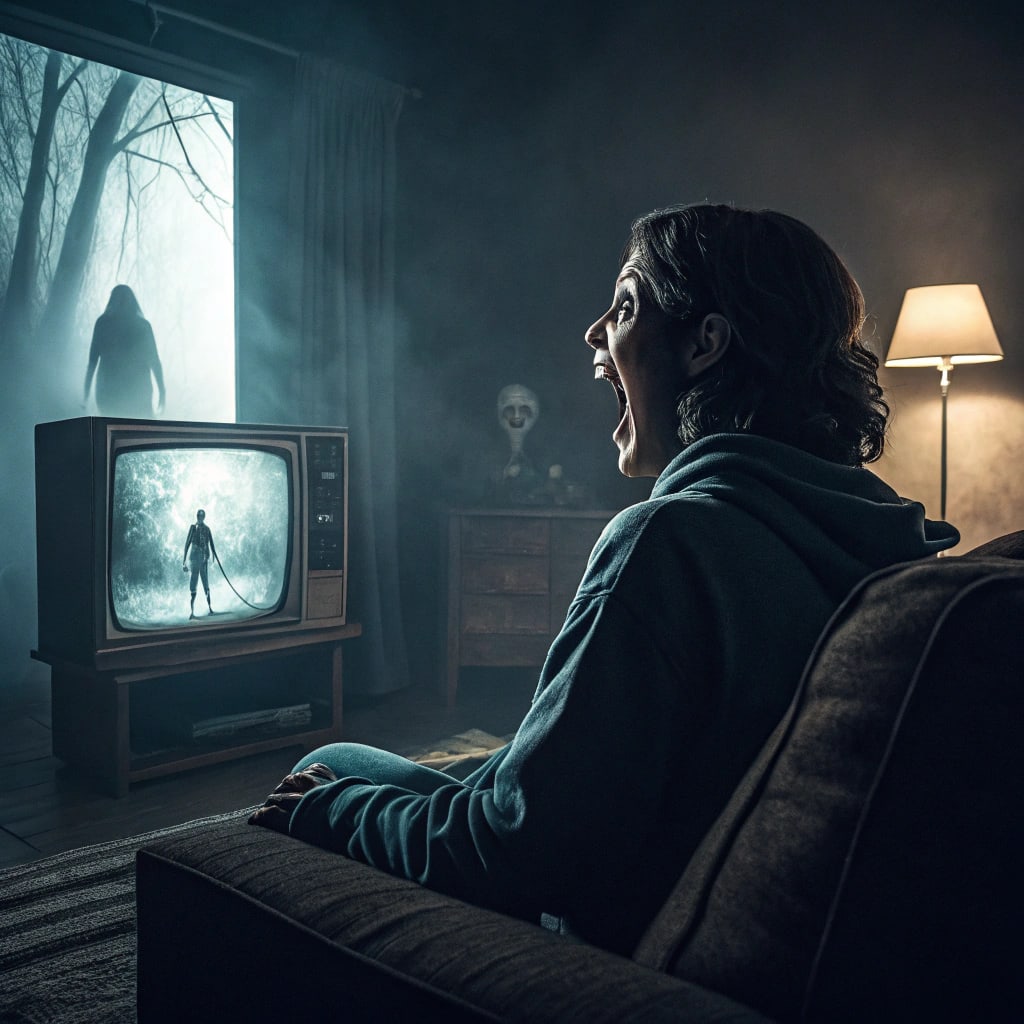
Horror movies have a unique ability to captivate audiences, drawing them in with the promise of suspense, fear, and excitement. But what is it about being scared on purpose that so many people find enjoyable? While it may seem counterintuitive to seek out fear, the truth is that horror movies tap into deep psychological and physiological mechanisms that make the experience both thrilling and rewarding.
The Science of Fear: A Biological Response
At the heart of our enjoyment of horror movies is a natural, primal response to fear. Fear is an emotion hardwired into our brains, designed to protect us from real dangers. When we face a threat—whether physical or emotional—the body releases stress hormones like adrenaline and cortisol, triggering the fight-or-flight response. Our heart rate increases, our senses sharpen, and our muscles tense in preparation for action.
But in the context of horror movies, there is no actual danger. The movie is a safe environment where fear is experienced in a controlled setting. This “safe fear” allows us to experience all of the physiological thrills without any real consequences. It’s a form of excitement—similar to riding a roller coaster or jumping out of an airplane—where we crave the rush but know we’re in no danger.
Why Do We Seek Out Fearful Experiences?
1. The Adrenaline Rush
When you watch a horror film, your body undergoes a surge of adrenaline. This hormone triggers the body’s "fight-or-flight" response, which gives us a burst of energy and heightened awareness. For many, this physical excitement is addictive, providing a sense of exhilaration. It’s the same rush you feel when engaging in extreme sports, like bungee jumping or skydiving. Despite the fear, adrenaline provides a reward that makes us feel alive and energized.
2. The Sense of Mastery
Watching something scary from the safety of your own home or theater offers a sense of control. While horror movies may trigger fear, the audience knows they are not in real danger. This creates an opportunity for us to confront our fears in a safe, manageable way. It allows us to explore dark, disturbing scenarios without the risk, and in doing so, we feel empowered and brave. The relief after the movie, knowing we made it through unscathed, provides a sense of mastery over our own fears.
3. A Temporary Escape
Horror movies offer an escape from everyday life, transporting viewers into a world filled with thrills and danger. For some, watching these movies allows them to temporarily step away from the pressures of daily life. The heightened emotions and suspenseful situations offer a break from normal, often mundane experiences. This emotional rollercoaster can be liberating, allowing people to release pent-up stress and emotions in a safe environment.
4. The Pleasure of Relief
After a particularly scary moment in a horror movie, the body often goes through a period of relief. When a scene transitions from tense to calm, or when the perceived threat is vanquished, the body releases dopamine, the chemical associated with pleasure and reward. This feeling of emotional release and relief is deeply satisfying, and it’s this cycle of fear followed by relief that keeps many horror fans coming back for more.
Psychological Factors Behind Enjoying Horror
1. Curiosity About the Unknown
Humans have an innate curiosity about the unknown, the unseen, and the mysterious. Horror movies play on this curiosity by introducing us to worlds filled with supernatural creatures, otherworldly beings, or unexplainable phenomena. We are drawn to the mystery and uncertainty, eager to find out what happens next. This exploration of the unknown can be a thrilling experience, as it allows us to confront our deepest fears without actually facing them in real life.
2. A Social Experience
Horror movies are often best enjoyed with others. Whether it’s watching with friends or family, the shared experience of fear can bond people in ways that other genres don’t. There’s something special about laughing together after a particularly terrifying scene or jumping in unison at a jump scare. This sense of group cohesion is another reason people seek out scary films, as it enhances the experience and creates lasting memories.
3. The Appeal of Catharsis
Some people enjoy horror movies because they allow them to confront their darkest emotions in a safe and structured way. By engaging with the intense emotions that horror films provoke, viewers can release pent-up feelings—whether it’s fear, grief, or even anger. This cathartic release can help alleviate tension and provide emotional clarity, making it a therapeutic experience for some.
The Thrill of the Unknown: A Unique Escape
The unpredictability of horror movies is another reason they’re so appealing. With twists, turns, and unexpected events, viewers are constantly kept on edge. The uncertainty of what’s going to happen next—combined with dark, foreboding music and eerie visuals—creates a level of tension that other genres don’t evoke. It’s this unpredictability that fuels the anticipation and heightens the emotional payoff when the story reaches its climax.
Conclusion: Why Horror Movies Keep Us Coming Back
While it may seem counterintuitive, the fear evoked by horror movies is something people actively seek out. The adrenaline rush, the relief, the sense of mastery, and the exploration of the unknown all contribute to the unique appeal of scary films. In a safe and controlled environment, horror movies allow us to confront our darkest emotions and experience an exhilarating ride—without the risk of real harm. For fans of the genre, the combination of fear and fun is what makes horror movies an irresistible experience.
About the Creator
Keep reading
More stories from ayoub kaas and writers in Horror and other communities.
Why We Love to Be Scared: The Science Behind Horror Movies
Why do we love horror movies? Why do we voluntarily sit through terrifying jump scares, eerie music, and spine-chilling scenes—only to come back for more? The answer lies in psychology, neuroscience, and a bit of human curiosity. Fear is an instinct designed to protect us, yet we seek it out in entertainment. Let's dive into the fascinating science behind why horror movies captivate us.
By ayoub kaas12 months ago in Horror


Comments
There are no comments for this story
Be the first to respond and start the conversation.