
Why are today's horror movies just not scary anymore?
Many horror fans feel that today's horror movies aren't as scary as they once were,and several factors contribute to this perception

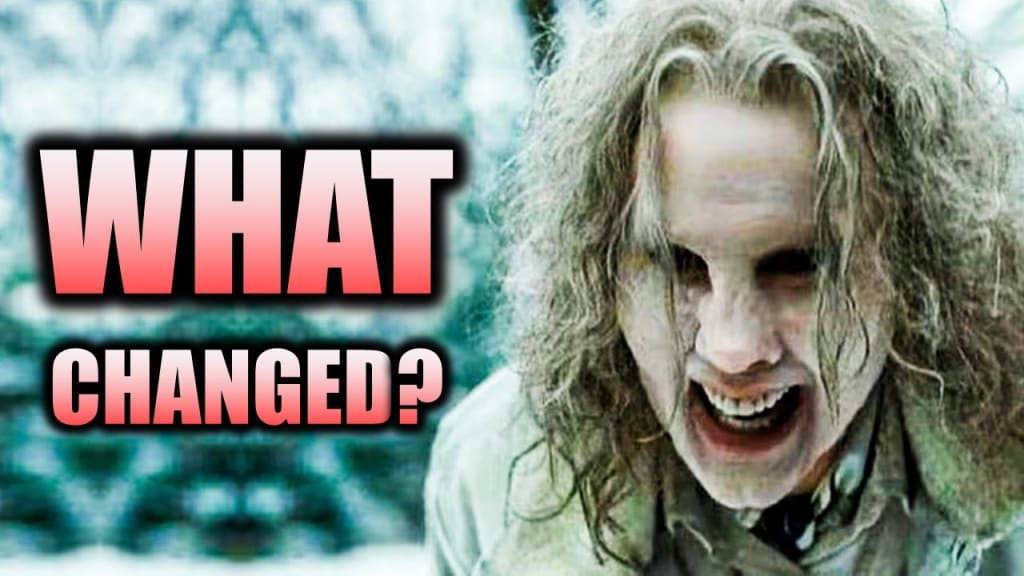
Many horror movies often rely on predictable jump scares and recycled tropes rather than crafting genuinely eerie atmospheres or exploring unsettling psychological themes. Unlike the slow, suspenseful builds of classic horror, many of today’s films use jump scares as quick shocks rather than allowing dread to naturally build.
Overused tropes, like haunted houses and creepy children, have become almost routine, making it easy for audiences to anticipate scares. The reliance on CGI effects, too, can take away the gritty realism that practical effects once provided. Audiences are also more horror-savvy now, familiar with the genre’s structure and expectations, which makes surprising them more challenging.
Furthermore, horror movies increasingly lean toward safe, marketable franchises and remakes, which don’t always prioritize innovation. This can make films feel more like formulaic products than immersive experiences, limiting opportunities for new, unpredictable stories.
Some horror films, however, have managed to break through these issues by focusing on psychological themes, social fears, or unique storytelling techniques. Movies like Get Out, Hereditary, and It Follows have garnered praise for their creativity and ability to resonate on a deeper, more psychological level.
For horror to regain its edge, filmmakers could benefit from exploring fresh narratives, using atmosphere over quick scares, and prioritizing complex character development. This return to character-driven and psychologically intense stories could bring back the immersive, lasting fear that classic horror films instilled in audiences.
Often, the goal is to appeal to the widest possible audience, which can lead to formulaic plots and tame scares rather than deeply unsettling themes or innovative narratives. This approach can make modern horror feel diluted, as the films prioritize quick frights over meaningful terror.
Additionally, in an era saturated with content, viewers have become desensitized to common horror visuals and predictable storylines. They crave originality and psychological depth—qualities found in classic horror films that prioritized tension over quick shocks. To reconnect with what truly unsettles viewers, horror films could focus more on societal anxieties, existential fears, and unseen horrors rather than adhering to a “safe” formula.
Many recent successes show that fresh approaches work well in horror; films like The Witch and Midsommar use unique storytelling to disturb audiences. These movies exemplify the genre’s potential when directors take risks, proving that there’s still room for horror to evoke genuine fear in modern audiences.
Streaming services bring a constant flow of horror content, creating an oversaturation that can diminish the uniqueness of any single film. The availability of so many options means viewers often binge-watch multiple horror films, which can lessen the impact of individual scares.
Additionally, the audience's evolving psychological and cultural awareness influences what’s considered frightening. As society changes, so do the fears that resonate, and contemporary horror might sometimes fail to tap into the relevant anxieties of modern audiences.
Films like The Babadook, which deals with grief, and Get Out, addressing social horror, stand out because they explore contemporary fears with fresh perspectives. For horror to return to its unnerving roots, filmmakers may need to prioritize originality, craft, and cultural relevance over market trends and fast-paced storytelling.
Ultimately, horror films that delve deeply into personal and collective fears have the potential to be more unsettling, staying with audiences long after the credits roll.
Another aspect to consider in modern horror’s effectiveness is the role of technology, both in the production and in the themes. With advancements in CGI, horror films sometimes sacrifice practical effects for digital ones, which can feel less tangible and immersive. Practical effects, even when imperfect, often evoke a more visceral reaction. Additionally, some contemporary horror movies try to integrate social media, online culture, or digital themes (such as Unfriended or Cam), but these can feel forced if not done authentically, which can detract from their scare factor.
Meanwhile, some audiences miss the mystique of older horror settings, as many modern films are heavily influenced by slick Hollywood visuals rather than gritty, realistic environments. This can make some horror movies feel polished but devoid of the grit and organic fear seen in classics like The Blair Witch Project or Texas Chainsaw Massacre, which relied on the atmosphere and raw visuals to unsettle viewers.
Returning to themes that resonate universally—like isolation, mortality, or paranoia—rather than stylized scares or quick shocks could help recapture the deeper horror that truly frightens.
About the Creator
Badhan Sen
Myself Badhan, I am a professional writer.I like to share some stories with my friends.
Keep reading
More stories from Badhan Sen and writers in Horror and other communities.
The Problem With Modern Horror Movies
Modern horror movies have faced criticism for several key reasons that many fans feel detract from the genre’s effectiveness. These issues range from over-reliance on certain tropes to a lack of fresh storytelling and character development. Here’s a breakdown of some of the most common problems:
By Badhan Senabout a year ago in Horror
The Character Who Isn’t on Payroll
Posted to r/nosleep I work at Disneyland. I won’t say my department, but I’m close enough to characters that I see schedules, handoffs, rotations—the boring, logistical side of “magic.” Which is why this has been driving me insane.
By V-Ink Storiesabout 11 hours ago in Horror



Comments (1)
Because today’s movie writer are too eager and maybe to young that’s why they are not scary love what you wrote though