
When Fear Becomes Familiar: The Human Side of Horror
How Our Deepest Fears Shape Us and Connect Us Through Stories of Terror
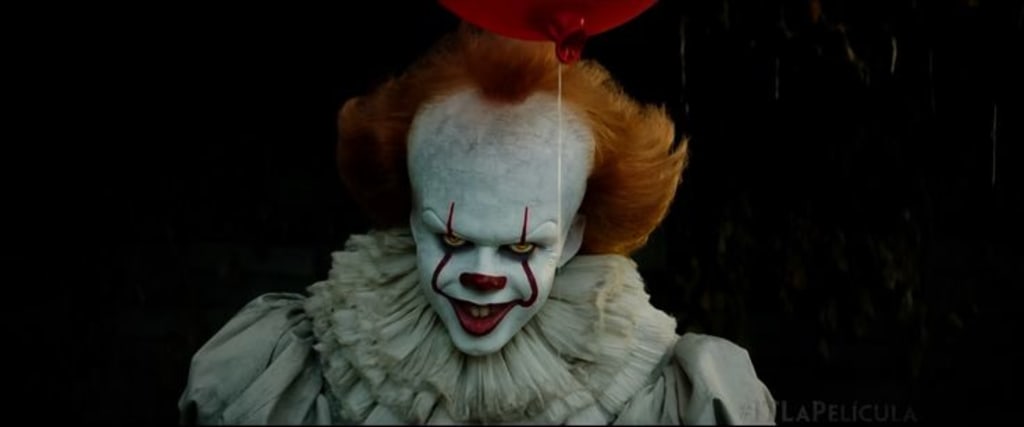
Horror is more than just scares, blood, and shadows lurking in the dark. At its core, horror is a uniquely human experience that taps into our most primal emotions—fear, vulnerability, and survival. It is a mirror held up to our collective anxieties, a way to confront the unknown safely, and a shared ritual that binds us together across cultures and generations.
But why do we willingly seek out stories that terrify us? What is it about the eerie silence of a haunted house, the sudden flash of a ghostly figure, or the creeping sense that something unseen is watching us that keeps us coming back? To understand the true power of horror, we need to look beyond the jumpscares and gore, and delve into the human experiences beneath.
Fear as a Shared Language
Fear is one of the most basic and universal emotions we possess. It’s wired into our brains to protect us from danger. When we watch a horror movie, read a chilling tale, or listen to ghost stories around a campfire, we are engaging with fear in a controlled environment. This controlled fear allows us to explore feelings that might otherwise be overwhelming in real life.
Interestingly, horror can act as a kind of emotional safe zone. By experiencing fear together, whether in a theater or through storytelling, we create a shared emotional language. This connection reminds us that we are not alone in our vulnerabilities. When someone jumps at a scare or holds their breath during a tense moment, it’s a communal heartbeat of survival instinct—a reminder of our humanity.
Facing the Unknown
At its core, horror is about the unknown. It’s about confronting what we cannot understand or control: death, the supernatural, madness, or even the darker sides of human nature. These fears are universal, yet intensely personal.
For some, horror stories represent an attempt to make sense of the inexplicable. Ghost stories, for example, often emerge from attempts to explain tragedy or loss. They give shape to grief and offer a way to process what might otherwise feel senseless. In this way, horror can be deeply cathartic—helping us face the reality of death and the fragility of life, even as it scares us.
The Psychology Behind the Thrill
The rush of adrenaline from a jump scare or a chilling atmosphere triggers a cascade of hormones in our body—like dopamine and cortisol—that heighten our senses and awareness. This physiological response can feel addictive, similar to the thrill some seek in extreme sports. The difference is that in horror, this thrill comes from a narrative or an experience that feels dangerous but is actually safe.
For many people, this creates a paradoxical sense of comfort. Horror allows them to experience intense emotions while knowing they are ultimately protected. This psychological paradox is a major reason horror remains a powerful genre.
Horror as a Reflection of Society
Horror also reflects the fears and anxieties of the time it is created in. The monsters, themes, and plots often symbolize larger societal issues. For instance, the zombie apocalypse is frequently seen as a metaphor for societal collapse or fear of pandemics. Werewolves might represent the duality of human nature or repression.
This symbolic nature of horror allows it to serve as a kind of social commentary. It critiques what frightens us most—not just supernatural beings, but real-world fears like isolation, loss of identity, and the fragility of social order. By cloaking these concerns in horror, storytellers can engage audiences on multiple levels, sparking both emotional and intellectual reflection.
Horror’s Role in Personal Growth
While horror frightens us, it can also empower us. When we confront fear in a story, we practice resilience and courage. Horror protagonists often face unimaginable odds, overcome their terrors, and survive. These narratives can inspire us to face our own fears in life—whether it’s dealing with personal trauma, anxiety, or the uncertainty of the future.
Moreover, horror challenges us to confront what’s uncomfortable or taboo. It pushes boundaries and forces us to question what we consider normal or acceptable. This confrontation can lead to growth, self-awareness, and a deeper understanding of human nature.
The Human Stories Behind the Horror
At the heart of every horror story are human emotions—love, loss, regret, guilt, and hope. The most memorable horror tales are those that use fear not just to scare, but to tell deeply human stories. Characters haunted by past mistakes, families torn apart by tragedy, or individuals wrestling with their own inner demons remind us that the true horror often lies within ourselves.
Take, for example, the classic haunted house story. Beyond the creaking floorboards and flickering lights, these tales often explore themes of family, trauma, and memory. The ghost might symbolize unresolved grief or guilt, and the house itself becomes a character shaped by human experiences. It’s this layering of human emotion beneath the scares that makes horror so compelling.
Horror Brings Us Together
Surprisingly, horror is also about connection. Watching a scary movie with friends or sharing ghost stories late at night is a bonding experience. The adrenaline, laughter, and even screams create a social glue. This communal sharing of fear and relief strengthens relationships and builds memories.
In today’s world, where isolation is increasingly common, horror can offer a rare opportunity for emotional connection. It allows us to explore vulnerability in a group setting, normalizing fear as part of the human condition.
Conclusion: Embracing the Darkness Within
Horror might seem like a niche for thrill-seekers or fans of the macabre, but it is, in fact, a profoundly human genre. It reflects our fears, tests our limits, and connects us through the universal language of emotion. It allows us to explore the darkness within ourselves and in the world, offering not just terror but insight.
So the next time you find yourself shivering through a horror story, remember—it’s not just about the monsters in the shadows. It’s about the very human experience of fear, survival, and ultimately, hope. Horror reminds us that even in the darkest moments, we are deeply alive, connected, and resilient.
About the Creator
One to See, One to Speak, One to Listen
Contains gore and horror some readers may find disturbing. Rated 14+ Author's Intro: This story is meant to revive the Gothic literature so famously crafted by one of my favourite writer's, Edgar Allen Poe, and as such, the language and style is deliberately antiquated. Thank you for reading my all time favourite work of horror - Les
By Call Me Les18 days ago in Horror




Comments
There are no comments for this story
Be the first to respond and start the conversation.