
Unveiling the Mysterious World of Ghosts
Exploring the Enigma of Ghosts
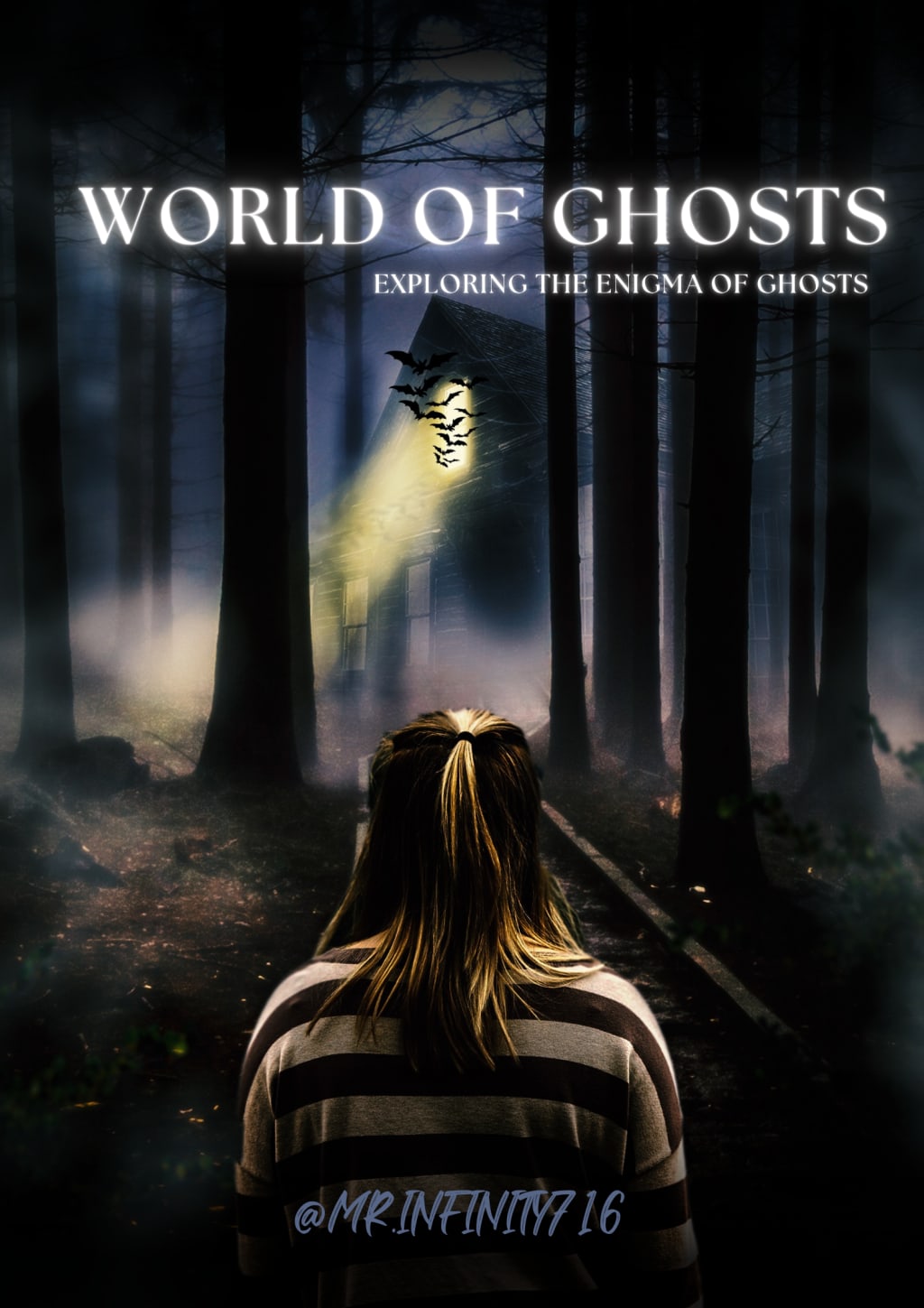
Introduction:
The concept of ghosts has intrigued and captivated human imagination for centuries. Ghosts are often portrayed as ethereal beings, lingering between the realms of the living and the dead. Whether you believe in their existence or consider them mere figments of folklore, the idea of encountering a ghost continues to evoke a sense of fascination and fear. In this article, we will delve into the world of ghosts, exploring their origins, cultural significance, and the various beliefs surrounding them.
The Origins of Ghosts:
Ghosts have roots in ancient mythology and folklore, dating back to civilizations such as the Egyptians, Greeks, and Romans. These ancient cultures believed in the existence of spirits and the ability of the deceased to communicate with the living. The concept of ghosts has also been deeply intertwined with religious and spiritual beliefs throughout history.
Cultural Significance of Ghosts:
Ghosts hold a prominent place in numerous cultural traditions and practices. In many Eastern cultures, such as China and Japan, ancestor worship is a vital part of the society. The belief in ancestral spirits, or "ghosts," plays a crucial role in maintaining a connection between the living and their departed loved ones. Similarly, various festivals and rituals around the world are dedicated to honoring and appeasing the spirits of the deceased.
Types of Ghosts:
Ghosts are depicted in different forms and categories across different cultures and belief systems. Some common types include:
a) Residual Ghosts: These are often considered imprints of past events or emotions that are somehow trapped within a specific location. Residual ghosts are believed to replay certain actions or scenes repeatedly, with no consciousness or interaction with the living.
b) Intelligent Ghosts: These ghosts are thought to possess consciousness and the ability to interact with the living. They are often associated with unfinished business, seeking closure or trying to convey messages to the living.
c) Poltergeists: Poltergeists are mischievous and disruptive spirits known for creating physical disturbances, such as moving objects, banging doors, or making loud noises. They are often associated with high levels of emotional or psychological stress in a particular person or location.
Haunted Places:
Throughout history, certain locations have gained notoriety for being haunted. These places are believed to be inhabited by ghosts or have a strong connection to the spirit world. Haunted castles, houses, battlefields, and cemeteries are among the most popular locations associated with ghostly activities. These tales of haunted places have been passed down through generations, perpetuating the legends and attracting curiosity seekers and paranormal enthusiasts.
Scientific Explanations:
While the existence of ghosts remains a subject of debate, skeptics argue that ghostly encounters can be explained through various scientific theories. Some propose that electromagnetic fields, infrasound, or hallucinations can account for the experiences people attribute to ghosts. Others attribute ghost sightings to psychological factors, such as grief, suggestibility, or sleep paralysis.
Famous Ghost Stories:
Throughout literature and folklore, there are numerous famous ghost stories that have become part of our cultural heritage. These tales often blend elements of horror, suspense, and the supernatural. Stories like "Hamlet" by William Shakespeare, "The Canterville Ghost" by Oscar Wilde, and "The Turn of the Screw" by Henry James have left a lasting impact on our perception of ghosts and their haunting narratives.
Ghost Hunting and Paranormal Investigations:
The fascination with ghosts has given rise to a thriving industry of ghost hunting and paranormal investigations. Ghost hunters use various tools, such as electromagnetic field detectors, infrared cameras, and audio recording devices, to capture potential evidence of ghostly activity. Television shows and documentaries centered around these investigations have gained popularity, further fueling public interest in the paranormal.
Near-Death Experiences and Ghostly Encounters:
Some individuals claim to have had near-death experiences (NDEs) where they report encounters with deceased loved ones or spirits. These experiences often involve a sense of floating outside the body, moving through a tunnel, and encountering a bright light. While these encounters may not always be categorized as "ghostly," they contribute to the broader discussion surrounding the existence of an afterlife and the potential connection between the living and the deceased.
Urban Legends and Ghostly Legends:
Urban legends and ghostly legends play a significant role in shaping our perception of ghosts. These tales are often passed down through generations, shared as cautionary stories or to entertain. From the Headless Horseman to the Lady in White, these legends contribute to the rich tapestry of ghostly folklore and continue to intrigue and frighten people around the world.
Cultural Variances in Ghost Beliefs:
Ghost beliefs and interpretations vary widely across different cultures and regions. For example, in Western cultures, ghosts are often associated with fear and hauntings. In contrast, certain Eastern cultures view ghosts as benevolent beings or as ancestors watching over their living descendants. Exploring these cultural variations provides insight into how ghosts are understood and valued in different societies.
Psychological and Emotional Impact of Ghostly Experiences:
Whether real or imagined, ghostly encounters can have profound psychological and emotional effects on individuals. The fear of ghosts, known as phasmophobia, is a recognized phobia that can cause significant distress and anxiety. Additionally, those who believe they have encountered a ghost may experience a range of emotions, including awe, fear, wonder, and even a sense of closure or connection with the supernatural.
Conclusion:
Ghosts continue to be a subject that sparks intrigue, debate, and fascination. From ancient mythology to modern-day ghost hunting, the concept of ghosts pervades human culture and imagination. Whether one believes in their existence or not, the exploration of ghostly phenomena offers a glimpse into our collective beliefs, fears, and the mysteries that lie beyond our understanding. As long as humans seek answers about the unknown, the enigma of ghosts will persist, captivating our imagination for generations to come.
About the Creator
Keep reading
More stories from Bala Murugan and writers in Horror and other communities.
Melodies of Love
Once upon a time in the enchanting city of Verona, two souls were destined to intertwine in a timeless love story. Alessandro, a passionate and talented musician, lived in a small apartment overlooking the bustling streets of the city. Sophia, a kind-hearted and free-spirited artist, resided in a cozy loft adorned with her vibrant paintings.
By Bala Murugan3 years ago in Poets
My Cancer Manifesto
It starts with love . . . Unconditional Love: Ai 爱爱爱爱爱爱爱爱爱爱爱爱爱爱爱爱爱爱 I have survived cancer twice, and I was told I was about to die. However, I radically changed my mindset and my diet while in the hospital and I did a lot of walking meditation to stay positive. Though I survived cancer treatments twice with chemo, I filed bankruptcy and was forced to retire from teaching.
By WILD WAYNE : The Dragon Kinga day ago in Horror




Comments (2)
Love this read❤️
Love this read❤️