
Understanding Flash Flood Warnings and How to Stay Safe
Flood Warnings

Understanding Flash Flood Warnings and How to Stay Safe
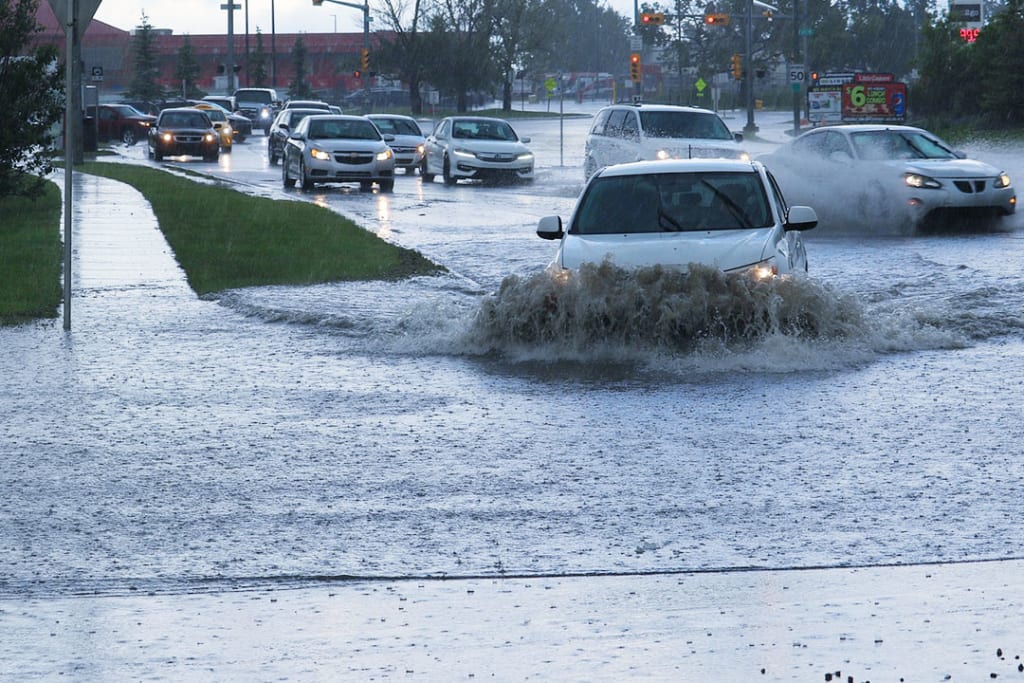
A flash flood warning means that flash flooding is imminent or already occurring in the warned area. It is the highest level of alert for sudden flooding and demands immediate action to protect life and property. Flash floods develop rapidly, often within minutes to a few hours of heavy rainfall, dam or levee failure, or sudden releases of water upstream. Because of their speed and destructive power, they are among the deadliest types of weather hazards.
How flash floods form
Flash floods usually result from intense rainfall over a short period, especially when the ground cannot absorb water quickly enough. Urban areas with lots of pavement and poor drainage are particularly vulnerable because water runs off instead of soaking into the soil. Narrow canyons, steep terrain, and small watersheds concentrate runoff rapidly, producing surges that can sweep away cars, destroy bridges, and inundate houses. Failures of dams, reservoirs, or debris-clogged channels can also trigger sudden flooding downstream.
What a warning means compared with other alerts
A flash flood watch indicates that conditions are favorable for flash flooding and that residents should be prepared. A flash flood warning means that flash flooding is happening or will happen very soon; people in the affected area must act immediately. Warnings are issued by local weather services or emergency management agencies and typically cover specific counties, towns, or river basins.
Immediate actions when a flash flood warning is issued
If you receive a flash flood warning for your area, do not wait. Move to higher ground right away. If you are in a low-lying area, along a stream, or in a vehicle, seek safe elevated ground. Do not attempt to walk, swim, or drive through floodwaters. Six inches of fast-moving water can knock an adult off their feet, and one foot of moving water can sweep a vehicle away. If you are advised to evacuate, do so promptly and follow designated routes, which may differ from your normal commute.
Safety at home
Move important documents, electronics, and valuables to an upper floor if time and conditions permit. Turn off utilities if instructed to do so and unplug appliances to reduce electrical hazards. Avoid basements and lower levels that can fill quickly. If your home is subject to repeated flooding, consider having flood-resistant features installed, such as raised electrical systems, waterproofing, or barriers that can be deployed quickly.
Driving and travel
Never drive through flooded roadways. Road surfaces can be washed away beneath standing water, and vehicles can be swept into deep or fast-moving water. If you encounter a flooded road, turn around and choose an alternate route. If your vehicle stalls in rising water, abandon it if you can safely exit and move to higher ground. Keep an emergency kit in your vehicle with water, a flashlight, a first-aid kit, warm clothing, and a phone charger.
Community and infrastructure impacts
Flash floods can isolate communities by washing out roads and bridges, disabling power and communications, and contaminating water supplies. Emergency responders may be delayed reaching affected areas, so individual preparedness matters. Local authorities may open shelters and coordinate rescue operations; follow their instructions closely and avoid returning to damaged areas until officials confirm they are safe.
Preparing before a flash flood season
Know whether you live in a flood-prone area and identify nearby high ground and safe evacuation routes. Assemble an emergency kit that includes water, nonperishable food, medications, important documents, flashlights, batteries, and cash. Establish a family communication plan and decide on a meeting place. Sign up for local alerts and keep a battery-powered radio or other means to receive warnings if power and cell service are disrupted.
What to do after floodwaters recede
Avoid floodwater contact because it can contain sewage, chemicals, and debris. Do not attempt to drive unless roads are declared safe. Inspect your property carefully; watch for structural damage, gas leaks, downed power lines, and displaced wildlife. Photograph damage for insurance claims and contact your insurer promptly. Boil tap water until authorities confirm the water supply is safe. Clean and disinfect areas that were flooded to reduce health risks.
Signs that a flash flood might be imminent
Unusually heavy or prolonged rainfall, rapidly rising streams or creeks, sudden increases in water depth or debris moving in the water, and signs of unusual water coming from nearby hillsides are red flags. If you hear a roaring sound similar to a waterfall or freight train, that can indicate a very fast-moving wall of water is approaching.
Technology and alerts
Modern alert systems deliver warnings to phones, radios, televisions, and public sirens. Many communities use emergency notification systems that send messages by text or phone. Weather apps that include real-time radar and location-based alerts are useful, but they are supplements to official warnings, not replacements. Keep multiple ways to receive warnings and test them periodically.
Common questions answered
How long do flash flood warnings last? They typically cover a window from the time flooding is possible until the threat passes, often a few hours, but can be extended if conditions persist. Can you survive flash floodwaters? Yes, by following safety guidance: move to higher ground, avoid water, and pay attention to official instructions. Are basements safe? No, basements are unsafe during flash floods because they can fill quickly with little warning.
Being aware, prepared, and ready to act instantly can mean the difference between life and death during a flash flood. Respect the power of moving water, heed warnings, and prioritize safety over property.
About the Creator
America today
Breaking news, political insights, real-time analysis, U.S. politics, global politics, elections, government policies, international relations, diplomacy, political debates, trending political stories, expert commentary, factual reporting,.
Keep reading
More stories from America today and writers in Horror and other communities.
Ajit Pawar: Power, Controversy, and Influence in Maharashtra Politics
Ajit Pawar: Power, Controversy, and Influence in Maharashtra Politics Ajit Pawar is one of the most influential and controversial political figures in Indian politics, particularly in the state of Maharashtra. Known for his sharp political instincts, administrative experience, and decisive style, Ajit Pawar has played a central role in shaping state politics for decades. His career has been marked by rapid rises, dramatic political shifts, and continued relevance across changing political alliances.
By America today about a month ago in Horror
The Day I Reached My Own Mountain
The Day I Reached My Own Mountain When I was a child, I often stared at the strange mountain in the distance. It loomed over the town like a giant, its rugged peak shrouded in mist. The adults called it "Mystic Peak," and though they told dark stories about it, my curiosity only grew. What secrets lay hidden atop that mountain? I dreamed of climbing it one day.
By Hamad Afridi a day ago in Horror


Comments
There are no comments for this story
Be the first to respond and start the conversation.