
The Science of Fear: What Happens in Your Brain During a Scare
Why we love to be scared—even when it hurts


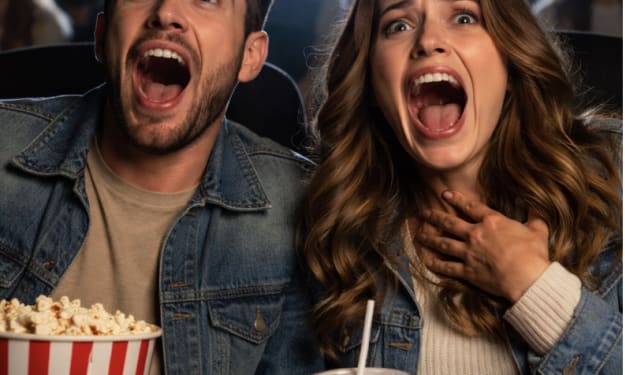
Fear is something we all know. It’s the cold chill down your spine, the racing heartbeat, the quick breath, and the feeling that something terrible is about to happen. Maybe you’re watching a horror movie. Maybe you’re walking alone at night. Or maybe you heard a strange noise in your room when you thought you were alone.
But have you ever wondered why we feel fear? Or why some people enjoy being scared?
In this article, we’ll explore what happens inside your brain and body during fear, how horror movies use this to scare us, and why some people keep coming back for more.
---
What Is Fear?
Fear is your body’s natural alarm system. It warns you of danger—real or imagined. When you’re scared, your brain and body react quickly to help you survive.
Let’s say you hear a loud noise behind you in the dark. You freeze. Your heart starts beating faster. Your eyes open wide. You’re ready to run or fight. This is called the “fight-or-flight” response. Your body is preparing to escape danger or face it.
This reaction happens in a small part of the brain called the amygdala. The amygdala controls emotions like fear and anger. It sends signals to the rest of your body, telling it to stay alert.
---
What Happens in the Brain?
Here’s how fear works in your brain step by step:
1. Senses Pick Up a Threat
You see, hear, or feel something unusual—like a shadow moving or a scream.
2. Amygdala Reacts
The amygdala decides if it’s dangerous. If yes, it quickly sounds the alarm.
3. Adrenaline Rush
Your body releases adrenaline, a hormone that gives you energy to run, scream, or fight.
4. Physical Reactions Begin
Your heart beats faster. Your breathing gets quicker. Your muscles tighten. You may sweat or even feel cold.
5. Brain Focuses
Your brain focuses only on the danger. It shuts down unnecessary thinking. That’s why people sometimes freeze or scream without thinking.
---
Why Do We Like Being Scared?
This may sound strange: fear is supposed to help us survive. So why do we enjoy scary movies, haunted houses, or ghost stories?
The answer is controlled fear.
In a horror movie, you know the monster isn’t real. Your brain tells you it’s safe—even while your body reacts like it’s in danger. That mix of fear and safety creates excitement. It’s like a rollercoaster for your brain. Your heart races, but you know you won’t die.
Some people love this feeling. They enjoy the adrenaline, the shock, and the rush. It’s their way of feeling alive. Others may feel overwhelmed or anxious. Everyone reacts differently to fear.
---
How Horror Movies Use Fear Science
Scary films use the science of fear to make you jump. Directors know how to trigger your brain and body.
Here are some tricks they use:
Jump scares: Sudden loud sounds or fast images make your amygdala panic.
Darkness: Humans naturally fear what they can’t see. Shadows and low lighting create mystery and fear.
Unnatural sounds: High-pitched music or strange noises confuse your brain.
Slow build-ups: Waiting for something to happen creates tension and stress.
Uncanny faces: People with no eyes or twisted smiles frighten us because they look human—but not quite right.
Your brain falls for these tricks every time, even if you know they’re coming.
---
Fear in Real Life vs. Fake Fear
It’s important to know the difference between real fear and fun fear. Watching a horror movie or visiting a haunted house is fake fear—you’re not in real danger.
But real fear happens during actual threats, like being chased or getting lost alone. In these cases, fear helps protect you.
However, too much fear—even from safe things—can be harmful. Watching too many scary movies or living in constant anxiety can cause stress, sleep problems, or panic.
Balance is key. Fear is helpful, but it should not control your life.
---
Why Some People Fear More Than Others
Not everyone enjoys fear. Some people are more sensitive to it. Their amygdala may be more active, or they may have had bad past experiences.
Fear also depends on:
Age (children fear differently than adults)
Culture (some fears are learned)
Personality (brave people may enjoy risks more)
That’s why some people laugh during horror movies, while others hide under blankets.
---
Conclusion: Fear Is a Friend in Disguise
Fear feels scary, but it’s actually here to protect you. It keeps you alert and helps you survive. The way your brain and body work together is amazing—especially when fear is involved.
And when you understand the science of fear, you can enjoy it more. You can scream during a horror movie and laugh a minute later. Because deep down, you know your brain is just doing its job.
So the next time your heart pounds at a ghost story or you jump during a scary scene, smile a little. Your ancient survival system is still working perfectly—even if the monster isn’t real.
About the Creator
Keep reading
More stories from Hamza Tahir and writers in Horror and other communities.
The House That Remembers
In a quiet village, far from the city noise, stood an old and broken house. The walls were cracked, the windows were covered in dust, and the doors creaked in the wind. No one lived there for years. People said the house was cursed. They believed that something evil lived inside. Most villagers never even walked near it. But no one knew the full truth—until Detective Amir came to the village.
By Hamza Tahir5 months ago in Horror
Violence Begets
"Any last words, cowboy?" "None you'd understand, sodbuster." "Funny. That's Marshall Sodbuster to you. But I meant some last nugget that would help us in the adjudication of the myriad offenses counted against you and your gang. I wasn't asking for penitence."
By Adam Diehl5 days ago in Fiction



Comments (1)
Interesting story and information