
The Movie of (The Exorcist)
The Exorcist(1973) is in many cases celebrated as one of the most alarming and most persuasive thrillers ever.

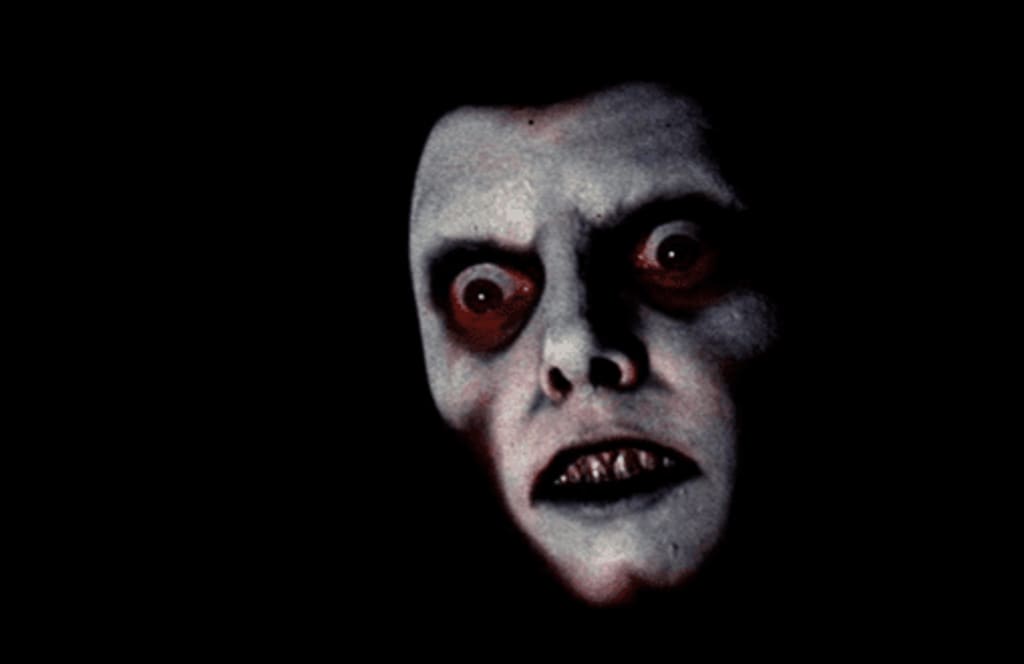
The Exorcist became a cultural phenomenon upon its release, setting a new standard for the horror genre and earning multiple Academy Award nominations. Here’s an in-depth review of what makes this movie so impactful and terrifying.
Plot Summary
The story follows Chris MacNeil, an actress living in Washington, D.C., with her young daughter, Regan. Things take a dark turn when Regan begins to exhibit unusual behavior, including severe mood swings, violent outbursts, and physical deformities. When conventional medicine fails to provide answers or relief, Chris turns to Father Damien Karras, a troubled priest grappling with his own crises of faith. As Regan's condition worsens, Karras seeks the help of Father Lankester Merrin, an experienced exorcist. Together, they confront the demon within Regan in a harrowing battle that tests the limits of their faith and endurance.
Why It’s Terrifying
One reason The Exorcist is so terrifying is its sense of realism. Friedkin’s documentary-style approach, achieved through hand-held camera work and naturalistic dialogue, gives the film a grounded, almost real-life quality that makes the horror feel unsettlingly plausible. The film doesn’t rely solely on jump scares; instead, it builds a sustained atmosphere of dread that steadily increases as Regan’s possession intensifies. From the chillingly calm moments to the shocking confrontations, the movie forces viewers to confront the horror without offering any clear escape.
The movie’s special effects, which were revolutionary for the time, amplify the horror. Makeup effects transformed young actress Linda Blair, who played Regan, into a grotesque and terrifying figure, making the demonic possession appear convincingly real. Practical effects, such as the rotating head scene and Regan’s levitation, were meticulously crafted to shock and awe audiences. Sound design also plays a crucial role, with unsettling noises, Regan’s distorted voice, and eerie silence creating an unsettling auditory experience that haunts the viewer long after the film ends.
Exploring Themes of Faith and Doubt
At its core, The Exorcist is as much a spiritual thriller as it is a horror film. It explores the vulnerability of faith in the face of pure evil. Father Karras, whose faith is faltering due to personal tragedies, is forced to confront his beliefs while witnessing the horrific manifestation of evil in Regan. The battle between Karras and the demon represents not just a physical struggle but a metaphysical one. It’s a deeply disturbing portrayal of the lengths to which faith and conviction can be tested and serves as a reminder of humanity’s age-old struggle with the concept of evil.
Father Merrin, on the other hand, represents a seasoned warrior of faith, though even he is visibly shaken by the encounter. His previous experiences with exorcism and his unwavering belief in the power of God provide a contrasting viewpoint to Karras’s doubt, highlighting the different ways people cope with unexplainable horror. The film’s depiction of the priests’ journey and their personal battles gives it a depth that resonates beyond mere scares, inviting audiences to question the nature of belief, morality, and the human soul.
Cultural Impact and Legacy
The Exorcist had a monumental impact on audiences and the film industry alike. Its scenes of possession, filled with blasphemous language and shocking imagery, challenged taboos and sparked heated debates. Despite—or perhaps because of—the controversy, the film was a massive success at the box office and has since been referenced, parodied, and revered in countless films and TV shows. It was also one of the first horror films to receive significant recognition from the Academy, earning ten Oscar nominations and winning two. This set a precedent for horror movies to be seen as serious, artistically valuable films rather than mere entertainment.
The film’s impact on audiences was equally profound. Reports of fainting, vomiting, and people leaving theaters mid-screening became part of The Exorcist’s mythology. For many, the film struck a nerve by touching on deep-seated fears about faith, possession, and mortality. Audiences were captivated and terrified by the film’s visceral horror and unsettling themes, which resonated on a psychological and emotional level.
Why The Exorcist Endures
The Exorcist continues to hold its place as a horror classic because it taps into universal fears and deeply held beliefs. Its realistic approach, combined with its unflinching depiction of possession, creates a lasting impact that few horror films have matched. The themes of faith, guilt, and redemption give the movie a rich narrative depth, allowing it to transcend its genre. For many horror fans, it remains the ultimate test of endurance, and its influence on subsequent horror films is undeniable.
About the Creator
Badhan Sen
Myself Badhan, I am a professional writer.I like to share some stories with my friends.
Keep reading
More stories from Badhan Sen and writers in Horror and other communities.
The Movie of (SAW)
Saw is more than a typical horror movie; it's a suspense-filled, mind-bending thriller that explores themes of morality, survival, and the lengths to which individuals will go when faced with unimaginable choices. This combination of gruesome traps, moral dilemmas, and a dark atmosphere set a precedent for the entire “torture-porn” subgenre, although it also provided deeper psychological depth than many later imitators.
By Badhan Senabout a year ago in Horror
OBLIT
This is me. My name is Oblit. It's odd, isn't it? I live on an island. Well, at least I think I do. I haven't seen anyone else in a long time, so I assume I do. I live inside a little house - it's quaint. A five-windowed bungalow, built on a street with only half-constructed houses all around. The lights don't light up at night - and the various concrete and plaster walls that decorate the plain green field only serve as props to my living. I live inside 1557 Rangolin Street. One front door, one back. A modest little backyard with benches and various plants sprouting from scattered pots. Two sets of gardening tools, one for me, one in case I forgot the other.
By Albert Xiong4 days ago in Horror


Comments (1)
I’ve been into horror movies lately, so I will have to check this one out. Thank you.