
The Movie of (The Blair Witch Project)
The Blair Witch Project is one of the most iconic horror films of all time,not only for its innovative found-footage style but also for the eerie realism that made it a ground breaking moment in horror cinema.

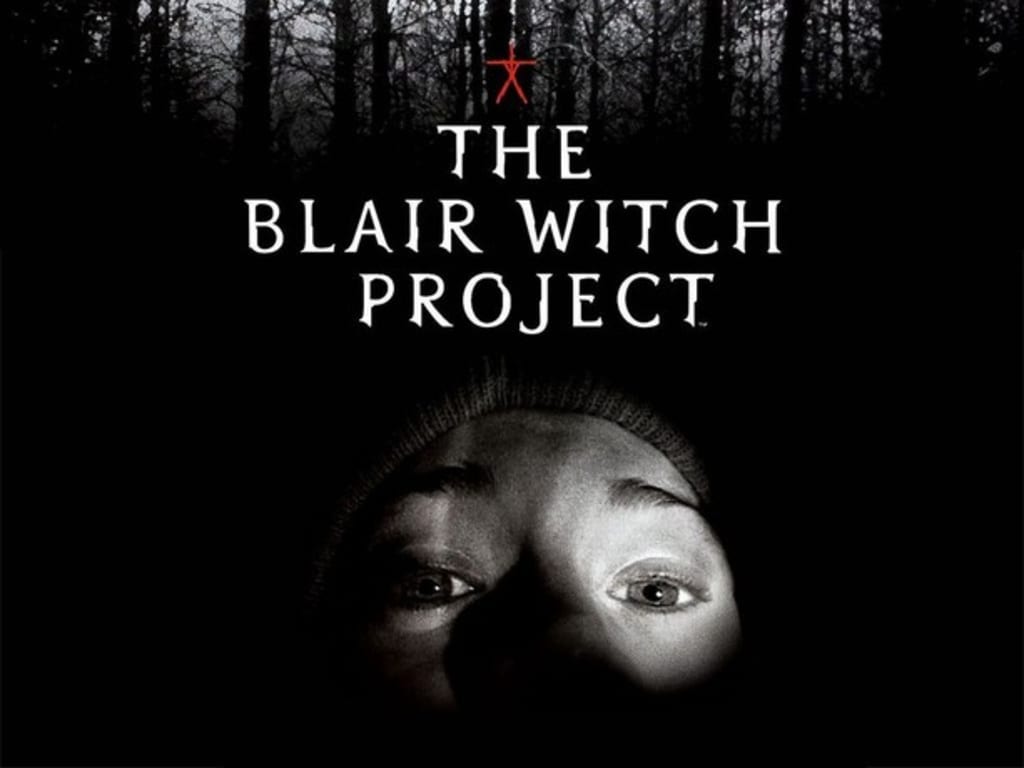
Directed by Daniel Myrick and Eduardo Sánchez, the film was created with a modest budget, yet its minimalist approach, combined with clever marketing and suspenseful storytelling, made it a massive box office success and a cultural phenomenon. Shot with handheld cameras, the movie follows three student filmmakers who venture into the Black Hills of Maryland to document the legend of the Blair Witch, a mythical figure said to haunt the woods. Their footage, found months later, reveals their terrifying descent into psychological and physical horror as they become lost, unnerved, and ultimately preyed upon by a mysterious force.
The Found-Footage Format
One of the most distinctive aspects of The Blair Witch Project is its groundbreaking use of the found-footage style. By presenting itself as a “real” documentary, the film plays on the audience's sense of reality. It’s crafted to look like raw footage pieced together after the disappearance of the three protagonists, which heightens the immersion for viewers. This approach strips away the polished, glossy feel of typical Hollywood horror films, instead placing the audience directly in the shoes of the characters. The shaky camerawork, grainy visuals, and lack of background music contribute to an almost visceral experience, making viewers feel as though they are watching something authentic and disturbing unfold in real-time.
At the time of its release, found footage was a relatively unexplored genre. The Blair Witch Project popularized this style, influencing countless films in the years to come, such as Paranormal Activity and Cloverfield. The format added to the film’s authenticity, convincing many viewers that what they were watching was, in fact, real. The movie’s website further played on this narrative, providing “evidence” and backstory that deepened the mystery surrounding the characters and the Blair Witch legend. This blurring of reality and fiction was a genius marketing strategy that made audiences feel like they were not just watching a movie but experiencing a true story.
Plot and Storytelling
The plot of The Blair Witch Project is deceptively simple yet intensely engaging. The story follows Heather, Josh, and Mike, three student filmmakers who set out to create a documentary about the Blair Witch legend. As they venture into the woods, they interview locals about strange occurrences associated with the witch. Their initial enthusiasm soon gives way to frustration and fear as they become hopelessly lost, and eerie events begin to unfold around them—strange noises at night, piles of rocks and stick figures appearing near their campsite, and their equipment malfunctioning.
The tension in the film escalates not through gore or jump scares but through an increasing sense of dread and isolation. The movie relies heavily on what remains unseen, allowing the audience’s imagination to run wild. As night falls and the characters become more desperate, viewers are left to wonder whether the haunting is a result of supernatural forces, paranoia, or the characters' own minds unraveling under the stress. This ambiguous approach is one of the film’s most potent elements, keeping the audience in suspense without revealing too much.
Psychological Horror and Character Dynamics
The Blair Witch Project is as much a psychological thriller as it is a horror film. The fear and desperation of the characters become more palpable as the film progresses, with their relationships deteriorating under the pressure of their situation. Heather, who leads the project, is initially confident but becomes increasingly frantic as her leadership is questioned by Josh and Mike, who grow resentful and frightened. Their arguments, breakdowns, and moments of despair add a layer of realism to the film, as each actor’s performance feels authentic and raw. Much of the dialogue was improvised, which contributed to the realistic tension and gave the actors the freedom to express genuine fear and frustration.
The psychological toll on the characters becomes one of the primary sources of horror. As days pass with no food or direction, they lose their sanity, and the woods become an oppressive force that seems to close in on them. The film’s power lies in its ability to reflect the primal fear of being lost, helpless, and hunted by something unseen. The viewer becomes emotionally invested in the characters, sharing in their frustration, exhaustion, and terror, which makes the eventual climax all the more devastating.
Minimalism and the Power of Imagination
One of the most effective elements of The Blair Witch Project is its minimalism. The filmmakers never show the witch or any physical manifestation of the supernatural, relying instead on sounds, mysterious symbols, and the reactions of the characters to build tension. This minimalist approach leaves much to the viewer's imagination, which is often more terrifying than anything that could be shown on screen. The final scene, with its iconic shot of Mike standing in the corner, is a masterclass in understated horror. The scene is ambiguous and haunting, leaving viewers with a lasting impression that lingers long after the credits roll.
This approach to horror is refreshing, especially in a genre often criticized for relying on gore and special effects to scare audiences. By stripping away these elements, The Blair Witch Project proves that psychological horror and suspense can be equally, if not more, effective. The decision to leave many questions unanswered makes the film feel real and unsettling, as though viewers have just witnessed something inexplicable and unsolvable.
Cultural Impact and Legacy
The Blair Witch Project had a profound impact on the horror genre and the film industry as a whole. Its success demonstrated that low-budget films could achieve mainstream success if they could effectively engage and immerse audiences. The film’s viral marketing campaign was a turning point in film promotion, using the internet to create a sense of mystery and curiosity that extended beyond the movie itself.
About the Creator
Badhan Sen
Myself Badhan, I am a professional writer.I like to share some stories with my friends.
Keep reading
More stories from Badhan Sen and writers in Horror and other communities.
The Movie of (A Nightmare on Elm Street)
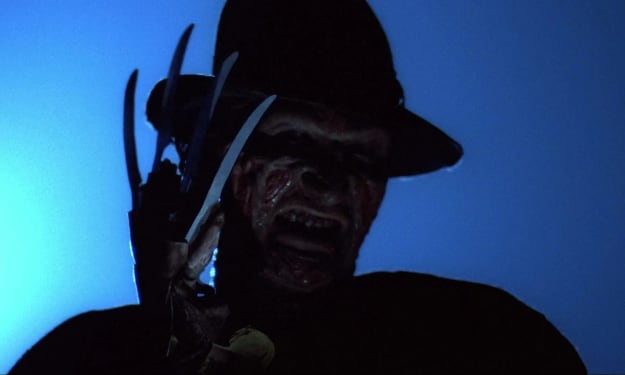
Introducing the world to the iconic Freddy Krueger, the movie explores the terrifying concept of a supernatural killer who haunts the dreams of teenagers, turning their nightmares into deadly reality. This combination of supernatural horror, psychological dread, and grotesque imagery created a film that became not only a box office success but also a cultural phenomenon that defined a generation of horror fans.
By Badhan Senabout a year ago in Horror
Miss Persephone's Manual to a Seemingly Ordinary Life
Miss Persephone was found at the dining table, her blue eyes swollen, her tears arriving and retreating like the tides of the ocean. Earlier that day, her family had visited her in the retirement home where she had lived for eight years. It was her eightieth birthday.
By Imola Tótha day ago in Fiction


Comments
There are no comments for this story
Be the first to respond and start the conversation.