
The Horror Within: The Fragility of the Human Mind in Psychological Horror
How Psychological Horror Explores the Depths of Fear, Identity, and Perception

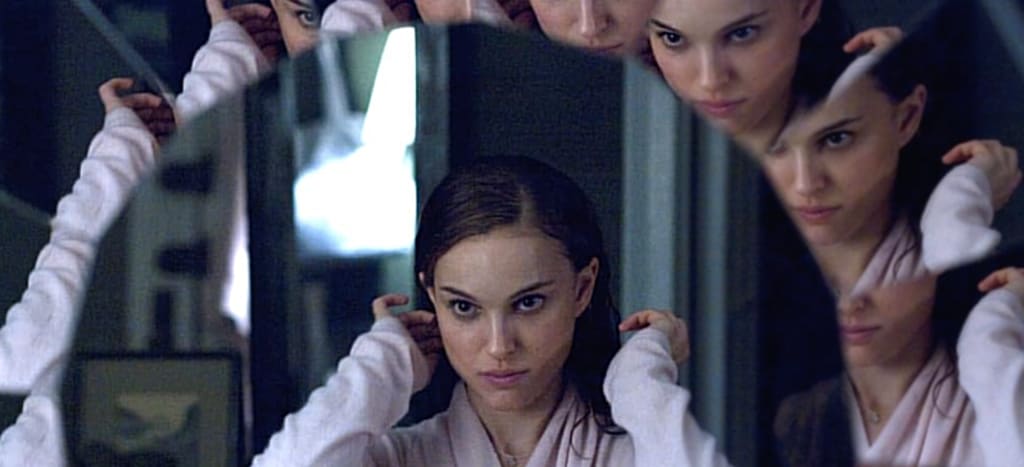
The Psychological Abyss: When the Mind Becomes the Monster
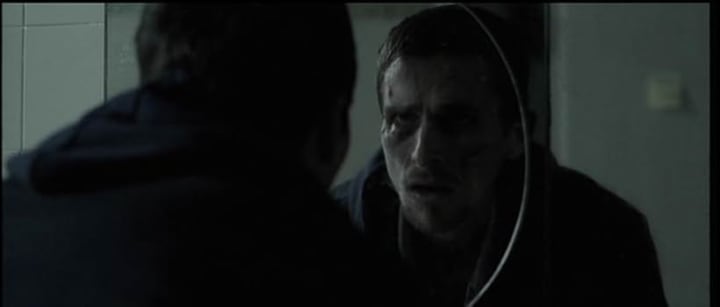
Horror thrives on the unknown, but what happens when the greatest terror comes from within? Psychological horror delves into the fragility of the human mind, blurring the line between reality and delusion. Rather than relying on external monsters, these narratives explore the fears of losing control, questioning identity, and facing the depths of one’s own psyche.
The Thin Veil Between Reality and Madness
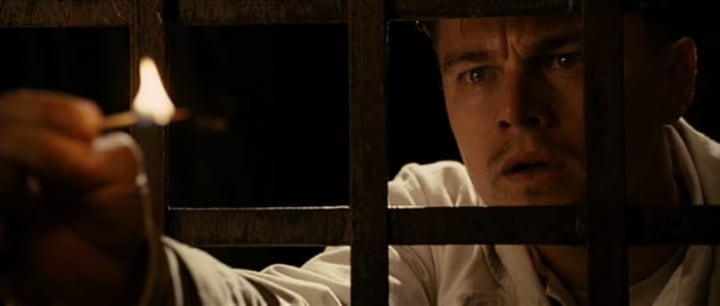
One of the most unsettling aspects of psychological horror is its ability to make the audience question what is real. Films like Black Swan (2010) and Shutter Island (2010) masterfully use this ambiguity, immersing viewers in the distorted perceptions of their protagonists.
Nina in Black Swan struggles with extreme perfectionism and a deteriorating sense of self, leading to terrifying hallucinations and self-destructive behavior. Meanwhile, Teddy Daniels in Shutter Island is trapped in a web of trauma-induced delusions, making his own mind the ultimate antagonist. These narratives tap into a universal fear: losing control of our own thoughts.
They also mirror real psychological experiences such as dissociation, paranoia, and intrusive thoughts. However, horror often amplifies these struggles for dramatic effect. While this enhances the unsettling atmosphere, it also raises questions about how these conditions are portrayed and understood by audiences.
Monsters of the Mind: When Horror Gets It Right
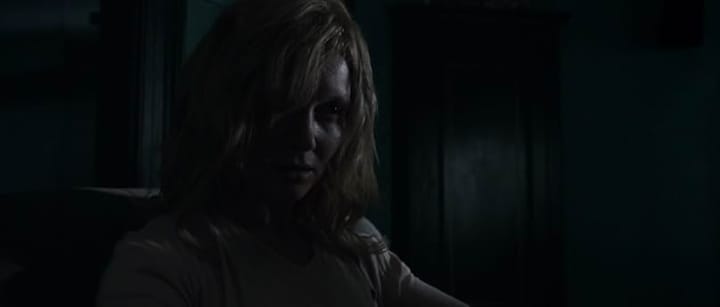
Some horror stories use psychological struggles not as a mere plot device but as a means of deep character study. The Babadook (2014) is an exceptional example. The film follows a grieving mother, Amelia, tormented by a supernatural entity representing her unresolved trauma. The Babadook itself is a manifestation of her suppressed emotions, illustrating the suffocating nature of unprocessed grief. Rather than villainizing Amelia, the film highlights the isolating and overwhelming aspects of internal turmoil, making it a poignant psychological horror.
Similarly, The Lighthouse (2019) presents a descent into madness through isolation, paranoia, and delusions. The film never explicitly states a diagnosis for its characters, but their unraveling minds become the true horror. The lack of clear-cut explanations enhances the feeling of psychological instability, forcing viewers to experience the suffocating uncertainty alongside the protagonists.
The Danger of Misrepresentation: When Horror Exploits Mental Struggles
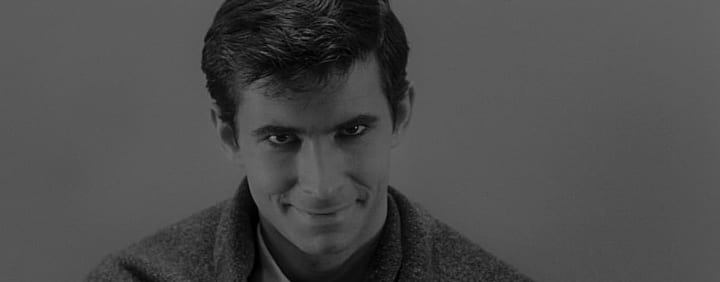
While some horror films handle psychological depth with nuance, others fall into harmful stereotypes. The "psycho killer" trope—seen in classics like Psycho (1960) and Silence of the Lambs (1991)—often links inner turmoil with dangerous criminal behavior. This reinforces societal fears and misconceptions, painting individuals who struggle with mental health as inherently violent or unpredictable.
In reality, people facing psychological challenges are far more likely to be victims of violence rather than perpetrators. Horror, as a genre, has a responsibility to evolve beyond outdated and stigmatizing portrayals. Modern films have begun to shift toward more empathetic narratives, but there remains a fine line between psychological horror and exploitation.
Why Psychological Horror Resonates So Deeply
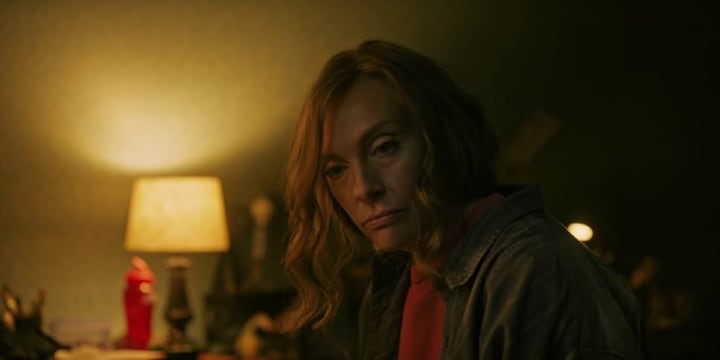
What makes horror rooted in the mind so compelling? The answer lies in its relatability. Unlike supernatural monsters or external threats, the mind is something we all rely on—but what if we couldn’t trust it? Horror that explores identity, perception, and trauma taps into a deep-seated fear of losing control over ourselves.
Furthermore, these films often reflect real societal anxieties. As conversations around mental health become more prevalent, psychological horror mirrors our struggles with identity, grief, and existential uncertainty. By confronting these fears in a fictional context, audiences may find catharsis, gaining a deeper understanding of both the genre and themselves.
A Genre in Evolution
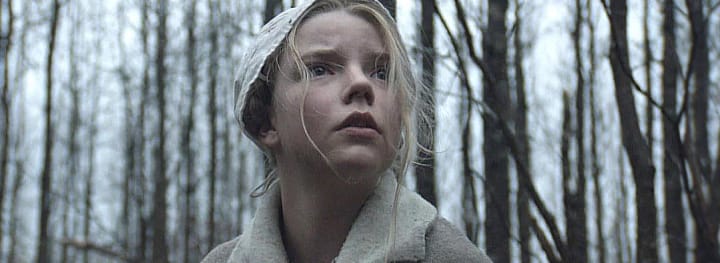
Horror and the human mind have a complicated relationship. While some stories rely on outdated and harmful tropes, others provide profound, thought-provoking experiences that challenge audiences to reflect on the human condition. As the genre evolves, the best horror will not only terrify but also enlighten—reminding us that sometimes, the scariest thing is not what lurks in the dark, but what hides within our own minds.
Here’s something else you might enjoy:
About the Creator
Bounty Hunter
RPG storyteller, worldbuilder and game designer exploring immersive narratives.
Keep reading
More stories from Bounty Hunter and writers in Horror and other communities.
The Horror of the Mind: Psychological Terror in Modern Cinema and Literature
Horror has always been a reflection of human fears, but psychological horror stands apart by targeting not just what lurks in the shadows but the very instability of the mind itself. Unlike slasher films or supernatural horror, this subgenre thrives on paranoia, guilt, and the breakdown of reality, making it one of the most unsettling forms of storytelling in both cinema and literature.
By Bounty Hunter 11 months ago in Horror
5 Most Haunted Objects in History: From Annabelle to Robert the Doll
I have a confession to make: I am obsessed with European history, specifically castles. There’s something about a stone fortress that feels like a magnet for the paranormal. In my mind, every castle is haunted, usually by a lady in a white dress, a headless nobleman, or (the absolute worst) creepy ghost children.
By Areeba Umair7 days ago in Horror
Miss Persephone's Manual to a Seemingly Ordinary Life
Miss Persephone was found at the dining table, her blue eyes swollen, her tears arriving and retreating like the tides of the ocean. Earlier that day, her family had visited her in the retirement home where she had lived for eight years. It was her eightieth birthday.
By Imola Tóth3 days ago in Fiction


Comments
There are no comments for this story
Be the first to respond and start the conversation.