
The Horror of the Mind: Psychological Terror in Modern Cinema and Literature
The Fear We Cannot Escape: Why Psychological Horror Haunts Us
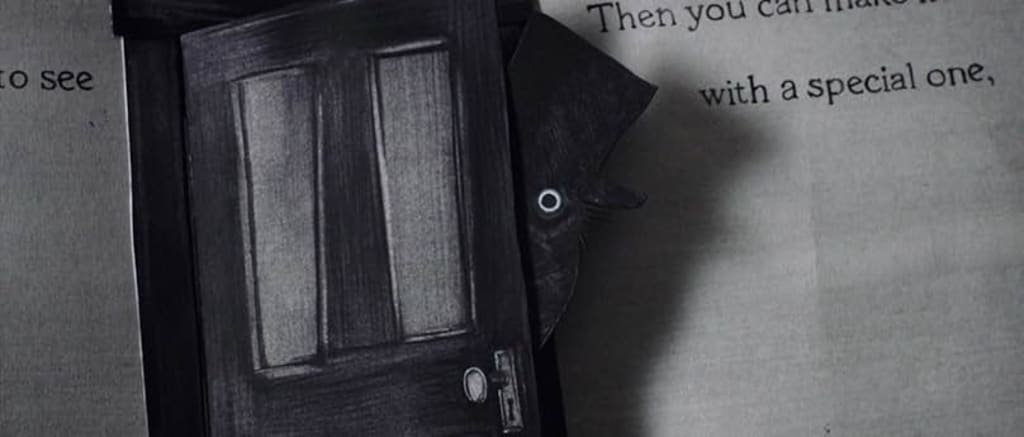
Horror has always been a reflection of human fears, but psychological horror stands apart by targeting not just what lurks in the shadows but the very instability of the mind itself. Unlike slasher films or supernatural horror, this subgenre thrives on paranoia, guilt, and the breakdown of reality, making it one of the most unsettling forms of storytelling in both cinema and literature.
Unlike traditional horror, psychological horror does not rely on external threats. Instead, it delves into the vulnerabilities of the human mind, creating terror through emotional and psychological distress. This type of horror is particularly effective because it forces audiences to confront the fragility of their own perceptions and mental stability.
The Evolution of Psychological Horror: From Page to Screen
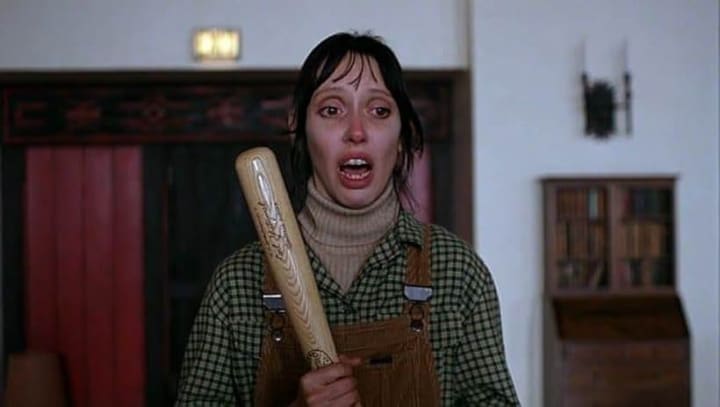
Psychological horror is deeply rooted in classic literature. Stories like Dr. Jekyll and Mr. Hyde (1886) and The Turn of the Screw (1898) introduced the idea that the real horror might not be external monsters but the darkness within us. Later, Stephen King's The Shining (1977) expanded on this theme, illustrating the terrifying descent into madness.
In cinema, psychological horror took on a new form. Alfred Hitchcock’s Psycho (1960) redefined the genre by making the audience question the reliability of its characters. Later, films like Black Swan (2010) and The Babadook (2014) explored themes of fractured identity and grief, proving that the scariest demons are often internal. In more recent years, films such as Saint Maud (2019) have continued this trend, demonstrating the interplay between mental instability and religious fanaticism.
Mind Games: The Techniques That Make Psychological Horror Effective
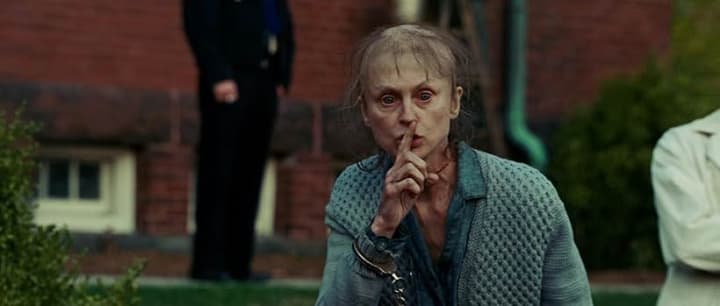
One of the reasons psychological horror is so unsettling is its use of unreliable narrators and ambiguous storytelling. In Shutter Island (2010), the audience is constantly second-guessing what is real and what is delusion. Similarly, The Lighthouse (2019) distorts reality through paranoia and isolation, leaving viewers as disoriented as the protagonists.
Sound design and cinematography play an essential role. Films like Hereditary (2018) use slow camera movements and eerie silence to build tension, forcing the audience to feel the creeping dread. The absence of traditional jump scares in many psychological horror films only amplifies the tension, making the fear feel inescapable. In literature, the use of first-person perspective, as seen in Gone Girl (2012), can trap readers inside a disturbed mind, making the horror feel intensely personal.
Additionally, psychological horror often employs subtle symbolism and foreshadowing, encouraging audiences to pick up on disturbing details that may not be apparent at first. In Midsommar (2019), for example, the bright and colorful setting contrasts with the story’s deeply disturbing psychological breakdown, creating an unnerving experience that lingers long after the film ends.
The Psychological Toll: Why These Stories Stay With Us
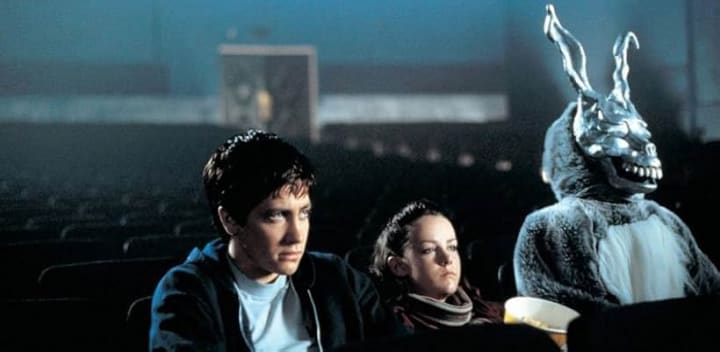
Unlike traditional horror, which often provides catharsis through the defeat of a monster, psychological horror lingers because it deals with unresolved fears. It makes us question our own perception of reality. Jacob’s Ladder (1990) leaves viewers with existential dread, while Silent Hill 2 (2001), a psychological horror video game, forces players to confront the weight of guilt and personal trauma.
The genre’s power lies in its ability to mirror our deepest anxieties. Whether it’s the fear of losing our identity (Fight Club), the paranoia of being watched (The Truman Show), or the horror of an unraveling mind (Donnie Darko), psychological horror taps into what truly terrifies us—ourselves.
Another key aspect of psychological horror is its ability to blur the line between reality and illusion. Films like Enemy (2013) and Mulholland Drive (2001) keep audiences engaged by offering interpretations that are often subjective, leading to endless discussions and analysis. This contributes to their lasting impact, as they continue to haunt viewers long after the final scene.
The Horror That Lives in Our Minds
Psychological horror endures because it exploits the most personal and inescapable fear: the fragility of the mind. Unlike supernatural threats, the horrors it presents feel real, making them impossible to shake. As long as we fear losing control of ourselves, this genre will continue to unsettle and fascinate audiences, reminding us that sometimes, the scariest monsters are the ones we carry within.
Its ability to remain open-ended and ambiguous ensures that viewers and readers continue to dissect and interpret these stories for years to come. The ambiguity of films like The Others (2001) and It Comes at Night (2017) ensures that psychological horror remains a thought-provoking genre that thrives on introspection and fear of the unknown.
Whether through literature, film, or video games, psychological horror forces us to confront uncomfortable truths about ourselves. It proves that the most terrifying nightmares are not the ones lurking under our beds but the ones that dwell within our own minds.
About the Creator
Bounty Hunter
RPG storyteller, worldbuilder and game designer exploring immersive narratives.
Keep reading
More stories from Bounty Hunter and writers in Horror and other communities.
Whispers in the Walls
I. The House on Blackwood Lane It was a house no one dared to claim. For decades, the mansion at 113 Blackwood Lane stood abandoned, its windows like empty eyes staring into the night. Legends spoke of whispers that slithered through the walls, of shadows moving where no light touched. To many, it was just an old, rotting relic. But to Margaret Holloway, it was an opportunity.
By Bounty Hunter 11 months ago in Horror
One to See, One to Speak, One to Listen
Contains gore and horror some readers may find disturbing. Rated 14+ Author's Intro: This story is meant to revive the Gothic literature so famously crafted by one of my favourite writer's, Edgar Allen Poe, and as such, the language and style is deliberately antiquated. Thank you for reading my all time favourite work of horror - Les
By Call Me Les20 days ago in Horror
Stories Told At Twilight
A 300-word flash fiction regarding the above image: She never realized the pale blue of her eyes until now. Pressing the palm of her hands against the cold porcelain sink, she sank deeper into her own gaze. Her eyes were not only pale but striking.
By JB Inglandabout 23 hours ago in Horror



Comments (1)
Love your writing. Never stop…. I have subscribed to you.