
The Art of Fear: Crafting a Spine-Tingling Horror Novel
From Writing Terrifying Tales to Navigating the Horror Book Publishing Process

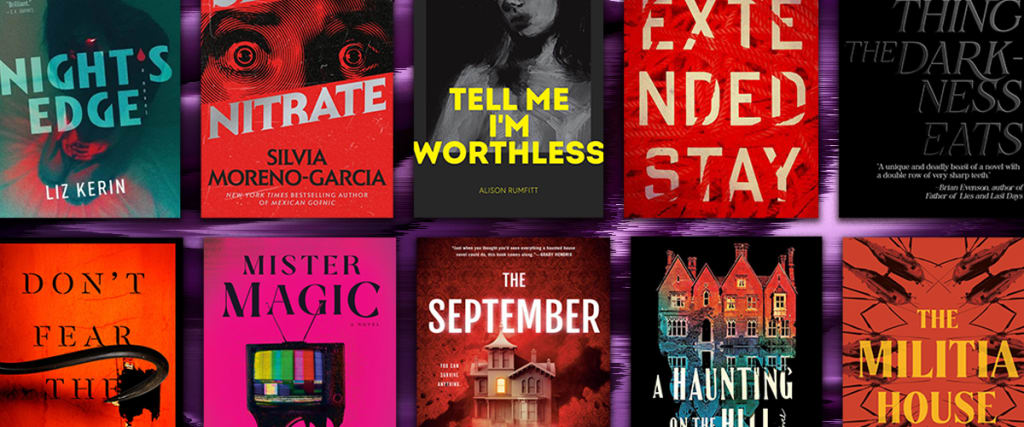
Horror, at its core, is about evoking an emotional reaction—fear. Whether it’s the tension of a looming threat, the thrill of the unknown, or the bone-chilling realization that something is terribly wrong, a successful horror novel taps into our deepest anxieties and plays with our darkest imaginings. But how do you craft a horror story that will keep readers up at night, their pulse racing with anticipation? In this article, we’ll explore the essential elements of writing a gripping horror novel and the publishing process that brings your terrifying tale into the hands of readers.
1. Understanding the Anatomy of Fear
To craft a truly scary horror novel, it’s important to understand what makes people afraid. Fear is deeply personal, and different things terrify different people—what chills one person to the bone may leave another unfazed. Successful horror taps into universal fears (like the fear of the dark, isolation, or death) while also playing with personal anxieties. Whether you’re exploring the supernatural, psychological horror, or a more grounded terror, it’s essential to create a sense of dread that feels both immediate and real.
Psychological vs. Supernatural Horror: Some horror stories hinge on real-world fears, such as a descent into madness, betrayal, or an unstable mind (psychological horror). Others play on supernatural or paranormal elements like ghosts, monsters, or otherworldly entities. A good horror writer knows how to blur the lines, letting these two elements mingle, creating a sense of dread that’s both psychologically and physically unsettling.
Building Suspense: Fear thrives in anticipation. A well-crafted horror novel doesn't immediately reveal its monsters or villains. Instead, it builds tension slowly, allowing the suspense to mount with every chapter. Use pacing to your advantage: short, sharp sentences can heighten moments of action, while long, drawn-out descriptions build a slow-burning sense of unease.
Character Fear: The more readers care about the characters, the more intense the fear. A horror story isn’t just about the terrifying circumstances—it’s about how the characters react and evolve under duress. What are their weaknesses? What do they fear most? Characters’ vulnerabilities make them relatable, and their survival (or lack thereof) has emotional stakes for the reader.
2. Crafting a Gripping Plot with Twists and Turns
While horror often plays on atmosphere and fear, a compelling plot with unexpected twists is essential to keep readers engaged. A successful horror novel weaves together a narrative that challenges the reader's expectations and keeps them on edge.
The Central Conflict: Like any good story, horror needs a strong central conflict—something that drives the action forward. This could be a monster on the loose, a haunted house, or a character battling their inner demons. What makes horror stand out is that the stakes are life and death, sanity versus madness, or escape versus inescapable doom.
Twists and Revelations: Horror thrives on surprises. A well-timed twist—where the story veers in an unexpected direction—can make all the difference. Whether it’s a shocking betrayal, the discovery that a trusted character is the villain, or a supernatural revelation that alters the course of the plot, surprises in horror should feel inevitable in hindsight but come as a genuine shock in the moment.
The Unseen Threat: Sometimes, the most terrifying things are the ones we don’t see. Consider how to use suggestion and implication in your plot. An unseen monster or a vague, threatening presence can be far more unnerving than showing the creature outright. This can be accomplished by letting the reader’s imagination fill in the blanks, which often amplifies fear more than any description could.
3. Atmosphere: Creating a World That Breaths Unease
In horror, atmosphere is everything. The setting is not just a backdrop but a reflection of the tone and mood of the story. Whether your novel is set in an abandoned mansion, a remote village, or a dark forest, the setting should heighten the sense of isolation, danger, and dread.
Descriptive Detail: Use detailed, sensory descriptions to build a sense of place. The creak of floorboards, the flicker of dim light, the scent of mildew or decay—all of these small details combine to create a setting that feels alive with menace. Descriptions should evoke the eerie or unsettling nature of the environment, whether it's the oppressive silence of a deserted building or the relentless, suffocating heat of a ghostly, haunted room.
Isolation: Many horror stories revolve around characters who are isolated in some way—whether physically, emotionally, or psychologically. Isolation heightens vulnerability and creates a sense of helplessness. If characters are trapped in a remote location, or if they're cut off from the rest of the world (whether due to geography or personal turmoil), the stakes are heightened. In this space, fear can flourish unchecked.
The Unreliable Narrator: Another effective tool in crafting atmosphere is an unreliable narrator. A protagonist who’s losing grip on reality, or who may not fully trust their own perceptions, creates an atmosphere where the reader cannot trust what’s real and what’s imagined. This adds another layer of uncertainty, making the fear feel more pervasive and unsettling.
4. Pacing and Structure: Building Tension
In horror, pacing is a delicate balancing act. Too much action without breathing room, and the tension dissipates. Too much description without forward motion, and the suspense falls flat. The best horror novels know when to build up suspense slowly, when to hit the reader with a sudden shock, and when to give them a moment to breathe.
Slow-Burn vs. Fast-Paced: Some of the most effective horror stories take their time, letting the sense of dread grow slowly. This slow-burn tension is often the most effective, as it allows the reader to become emotionally invested before the terror escalates. However, there should also be moments of quick escalation—a sudden confrontation with the supernatural, a surprise twist, or an unexpected death—that jolt the reader and shake them out of their complacency.
Chapter Length and Structure: Horror novels often benefit from shorter, punchier chapters that end with a cliffhanger or a moment of terror. This structure encourages readers to keep turning the pages, eager to find out what happens next. Cliffhangers, particularly at the end of chapters, keep the tension high and the stakes escalating.
5. Writing the Horror Novel: Tips and Tricks
Embrace the Fear: Don’t shy away from the dark, twisted aspects of horror. Be bold in your writing, and allow yourself to dive into the discomforting. Push boundaries if it serves the story and the themes.
Write from the Unconscious: Horror often taps into deep, subconscious fears. Don’t just rely on external threats—explore internal ones. Characters’ darkest thoughts, their psychological vulnerabilities, and their trauma often make for the scariest stories.
Foreshadowing and Symbolism: The best horror novels often leave clues early on, planting seeds that only make sense as the story unfolds. Whether it’s a recurring symbol, a strange occurrence, or an ominous piece of dialogue, foreshadowing builds anticipation and deepens the fear.
The Publishing Process: Getting Your Horror Novel Out There
Once you’ve crafted your spine-chilling tale, the next step is bringing it to the public. The horror genre, while niche, has a passionate and dedicated readership, and there are numerous paths to publishing.
Traditional Publishing: Horror is a well-established genre in the world of traditional publishing. Research agents and publishers who specialize in horror, and make sure your manuscript is polished. A great query letter, along with a gripping pitch, is essential for catching an agent’s or editor’s attention. For horror, strong character development and an eerie, immersive atmosphere are often as important as the plot itself.
Self-Publishing: With platforms like Amazon Kindle Direct Publishing and IngramSpark, self-publishing has become a popular choice for horror writers. This route gives you full creative control, but it also means you’ll have to handle marketing, distribution, and cover design. Make sure your book stands out with a professionally designed cover and a blurb that entices readers.
Building Your Audience: Whether you pursue traditional or self-publishing, building a fan base is key. Engage with readers through social media, blogs, and author platforms. Horror fans are often eager to connect with authors, so fostering a community can help spread the word about your book.
Conclusion: Fear as an Artform
Writing a horror novel is more than just creating monsters and gore—it's about crafting an atmosphere of unease, tension, and dread that keeps readers on the edge of their seats. Whether you’re exploring the supernatural, psychological, or a mix of both, the art of horror lies in tapping into the human experience of fear. The key is to create an emotional journey for your readers, taking them on a rollercoaster ride through terror, suspense, and unexpected twists. And once your story is ready to be shared, navigating the publishing process can help bring your spine-chilling tale to the wider world, where it can haunt readers for years to come.
About the Creator
Michael S. Hodge
I’m an author passionate about crafting compelling stories across diverse genres to connect with readers.
Keep reading
More stories from Michael S. Hodge and writers in Horror and other communities.
Pricing Your Kindle Book: How to Choose the Right Price Point for Maximum Profit
One of the most critical decisions you’ll make as a self-published author is setting the price for your Kindle book. Price it too high, and you risk alienating potential readers. Price it too low, and you could undervalue your work and miss out on maximizing your profits. Striking the right balance is key to both attracting readers and optimizing your revenue on Amazon Kindle.
By Michael S. Hodgeabout a year ago in Writers
One to See, One to Speak, One to Listen
Contains gore and horror some readers may find disturbing. Rated 14+ Author's Intro: This story is meant to revive the Gothic literature so famously crafted by one of my favourite writer's, Edgar Allen Poe, and as such, the language and style is deliberately antiquated. Thank you for reading my all time favourite work of horror - Les
By Call Me Les21 days ago in Horror
Stories Told At Twilight
A 300-word flash fiction regarding the above image: She never realized the pale blue of her eyes until now. Pressing the palm of her hands against the cold porcelain sink, she sank deeper into her own gaze. Her eyes were not only pale but striking.
By JB Ingland2 days ago in Horror



Comments
There are no comments for this story
Be the first to respond and start the conversation.