

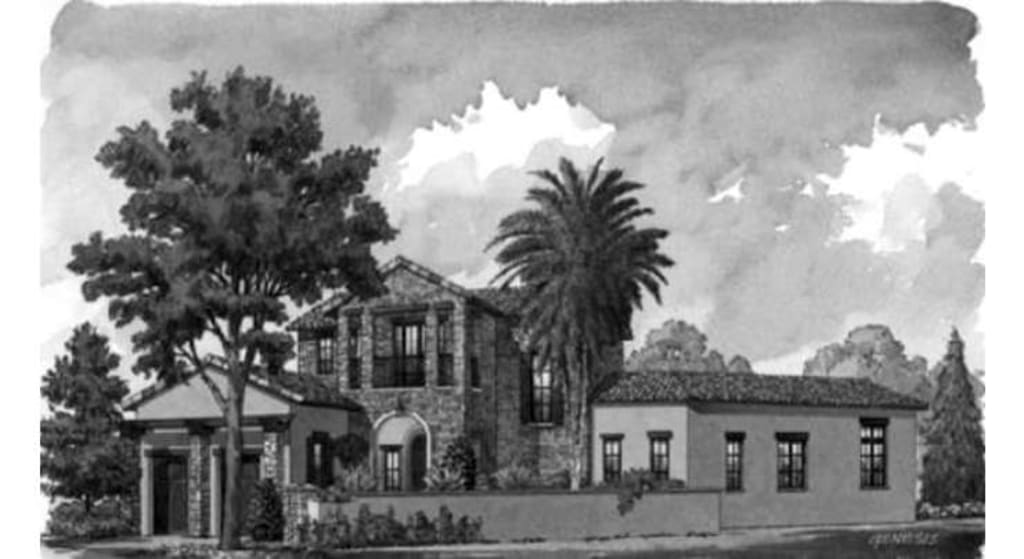
The beautiful house made of white and green marble was, as always, the center of his attention. Twelve-year-old Naseer stood absorbed in gazing at the tall, magnificent building. On its façade were engraved clear words: “Firdous Bar-Zameen”—Paradise on Earth. When he had first read those words, he had asked his mother about their meaning.
Suddenly, the large gate of the house opened. A car drove out, revealing a lush lawn decorated with green grass and colorful flowers. Naseer watched the scene with even greater fascination until the gate closed again. Truly, the house seemed like a piece of heaven. A desire to enter and live in such a place stirred in his heart.
Lost in thought, he felt a pull on his hand. The bag he was carrying felt heavy. He had to take it to the main market. Casting one last longing glance at the house, he continued on his way.
Naseer was nine years old when his father passed away. His mother began supporting the household by sewing clothes for others. When Naseer’s education expenses could no longer be managed through this limited income, she expanded her work by stitching children’s clothes for shops. Naseer helped her after school. Over time, he became quite skilled at sewing himself. Going to the market with his mother and collecting orders from shopkeepers became his responsibility.
His mother always taught him that there was no shame in any honest work except begging. Those who strive with their hands for lawful earnings earn God’s blessings. Whenever Naseer passed by that house on his way to the market, he would stop and look at it.
“One day, I will build a house like this,” he promised himself.
Time passed. Naseer reached college age and also began managing the operations of their small garment unit. Their sewing work expanded significantly. His mother hired workers to help. A modest home-based factory with several machines became their greatest achievement.
Even then, Naseer never failed to look at the house. Over the years, neglect by its residents had dulled the white stone exterior, yet its unique architecture still made it beautiful. His affection for the house remained unchanged.
Eventually, the day arrived when Naseer became the owner of a large factory producing children’s clothing. He now possessed education, experience, and savings sufficient to buy a fine home—perhaps even that very house he had loved since childhood. But he did not know whether its owners would be willing to sell.
One day, determined to fulfill his dream, he stood at the house’s gate. After ringing the bell again, a servant opened the door.
“This is Ashraf Sahib’s house,” Naseer read aloud from the nameplate.
“Yes… you’ve come to meet the master?” the servant asked in surprise.
“Yes,” Naseer replied briefly. The servant led him inside.
As Naseer looked around, his hopes dimmed. The once-fresh lawn was gone. Yellowed grass, dried plants, and an empty pond created a desolate scene. The condition of the house reflected neglect. He wondered why a servant would allow a stranger inside so easily. Something was unusual.
“This is the master’s room,” the servant said, knocking and opening the door without waiting.
Inside, a frail elderly man lay resting on a bed. Naseer greeted him respectfully. The old man smiled warmly and welcomed him. Naseer sat and, encouraged by that kindness, shared his entire story—his struggles, his mother’s efforts, and his success earned through hard work.
The old man listened with joy. “Well done, young man. Hard work never goes to waste,” he praised.
Gathering courage, Naseer asked if he lived alone. The old man explained that his son lived in London and wanted him to move there, but he refused to leave his homeland. Due to weak legs, he depended entirely on servants and rarely met visitors anymore.
These words shook Naseer. He saw a reflection of reality—wealth and a grand house, yet loneliness within its walls.
Naseer admitted that he had admired the house since childhood and dreamed of living in it, though its neglected state had saddened him.
The old man smiled and explained that only one servant truly cared for the house. He then asked if Naseer wanted to buy it. Naseer nodded eagerl
“I do not want to sell it,” the old man said gently, “but I can give it to you on one condition.”
“If you do not wish to sell, that is fine,” Naseer replied firmly. “I cannot accept it conditionally or for free.”
At the back, a free sewing center for underprivileged women was established, along with free residence for elderly people. A small clinic with a doctor and dispenser was arranged for the sick.
Life returned to the old man’s face. The neglected house became a true paradise once more—for those who had none.
About the Creator
Sudais Zakwan
Sudais Zakwan – Storyteller of Emotions
Sudais Zakwan is a passionate story writer known for crafting emotionally rich and thought-provoking stories that resonate with readers of all ages. With a unique voice and creative flair.
Keep reading
More stories from Sudais Zakwan and writers in Horror and other communities.
The Mysterious Valley
The Mysterious Valley – Story Number 2872 Yasir, Adil, Fahad, and Umar were four close friends who shared a strong passion for adventure and exploration. They were always eager to discover new places and experience thrilling situations. Ordinary routines bored them, and they often dreamed of doing something extraordinary that others would talk about for years.
By Sudais Zakwanabout 6 hours ago in Horror




Comments
There are no comments for this story
Be the first to respond and start the conversation.