
Sleep Paralysis: The Silent Nightmare!
Sleep Paralysis In Details


What is sleep paralysis?
Sleep paralysis is a condition that occurs in people when they are falling asleep or waking up, leaving them with the feeling of not being able to move or speak. It usually lasts for a few seconds up to several minutes. During the time, most of them experience vivid hallucinations such as a shadowy figure in the room or the feeling of being choked to death.
Sleep paralysis typically takes place as one transitions from one sleep stage to the next. This usually happens while a person is transitioning out of REM sleep into wakefulness. REM sleep features REM atonia, the state during which the body is paralyzed, to prevent it from performing activities in dreams. The paralytic state becomes stuck in sleep paralysis while the REM sleep is waking. This disconnection between the activity of the brain and muscle functionality leads to feeling awake but paralyzed and unable to speak.

The Science of Sleep Paralysis
Sleep paralysis is that state in which one finds themselves in a state where they can't move or even utter a word when falling asleep or waking up. It most commonly occurs at transition phases during sleep. It, therefore, occurs during transitions involving REM sleep into wake. REM sleep is characterized by lots of activities and most vivid dreaming. REM atonia however paralyzes the entire body in the course preventing an individual to act in dreams translated into the real world.
In sleep paralysis, the brain may be awake but the body is in the paralysed state disconnecting awareness and movement. Such a condition may seem terrifying and give a feeling of being awake yet not moving.
Hallucinations are equally frequent in sleep paralysis. Such hallucinations have been considered as expressions of overlap between dreaming and wakefulness; the result of which may be the continuance of some dream-like images, sounds, or sensations by the brain that results in the belief in the presence of shadowy figures and perhaps a suffocating one or hearing voices.
The predisposing factors include sleep deprivation, stress, having an irregular sleep schedule or sleep disorders like narcolepsy or even insomnia. Though it is harmless it can psycholgically be distressing, and anxiety as well as sleep problems will often follow. The fact of biological and neurological causes will help to reduce the fears of it and help to keep in control of episodes.

The Horrifying Side of Sleep Paralysis
Although the sleep paralysis condition can be described in medical terms, the more frightening part has an extreme impact on the mental states of those who experience it. The condition seems to include immobilization, combined with vivid hallucinations. Such a combination represents the perfect storm of terror. Let's dive into its darker and more subtle aspects.
Recurrent is the appearance of shadowy, humanoid figures. These entities, without any discernible features, seem to have a malignant presence that feels all too real. Victims often report shadow people standing at the edges of the room, crouched in corners, or slowly moving closer. These figures may seem to stare intently or even reach out, evoking a primal fear. It has been noted that shadow figures are a sort of generic folklore or spirit-related phenomenon cutting across cultures, from the "djinn" of the Middle East to the "Old Hag" of Europe. The cultural setting only makes the terror worse, as the victims take these apparitions to be realizations of supernatural reality.

The most frightening symptom of sleep paralysis is the pressure on the chest, sometimes described as "the chest crusher." This pressure chokes the person both physically and psychologically in their persons as if some kind of invisible force were actively attacking the victim. Lack of hitches in breathing worsens the helplessness situation further since in many cultures these phenomena are said to be facilitated by witches, demons or spirits, trying to poison or steal one's soul. Such recurrent episodes mean that anxiety, insomnia may beset individuals who cannot get along without sleeping alone and it gets even worse at nighttime when darkness is suspected, for one fears another similar attack.
The vivid hallucinations sleep paralysis usually brings along just add into the confusion between dreams and reality. Victims have told of grotesque faces -- demonic and distorted -- inches from their own, staring into their face without blinking an eye. These apparitions can morph, melt into shadows or remain as persistently disturbing as they wish. The audio component of these events are just as frightening. Muted whispers, disembodied voices called your name, heavy footfalls sounds like they approach into darkness, or even bone chilling.

Is Sleep Paralysis Dangerous?
It is not dangerous to sleep paralysis. It is a temporary disorder in which the body has been paralyzed while the brain has woken up; it usually comes with vibrant hallucinations. Although very frightening, it does not represent a threat to physical well-being. However, frequent occurrences can result in psychological anxiety, such as insomnia, fear of sleep, etc.
Effects are worse on patients who have pre-existing conditions of sleep disorders or mental conditions. Most of the paralysis cases are harmless; however, when they're-curry, one must consult a doctor since stress and sleep disorders develop.
Sleep Paralysis Symptoms
Paralysis usually lasts between a few seconds to minutes. During this time, the patient experiences both physiological and psychological symptoms, which can be very terrifying.
The symptoms include:
The most apparent symptom is that the person is unable to move or talk though fully conscious. This paralysis happens at the point when the brain wakes up since the body is paralyzed, having undergone REM sleep atonia-a biological process that inhibits human movement while asleep.
Hallucinations come vivid and often terrifying: These are visual, auditory, and sometimes even tactile hallucinations. People see shadowy figures, and at other times, they feel that an invisible presence is in the room, while at other times, they hear voices, whispers, or sounds that are unidentified. Such hallucinations blur the lines of reality and dream.
Choking Feeling: Such a feeling is said by people that they feel to breathe, due to some burden on their chest, forcing them down. They think that it feels "squashed" or as though being smothered, resulting in high states of anxiety and panic.
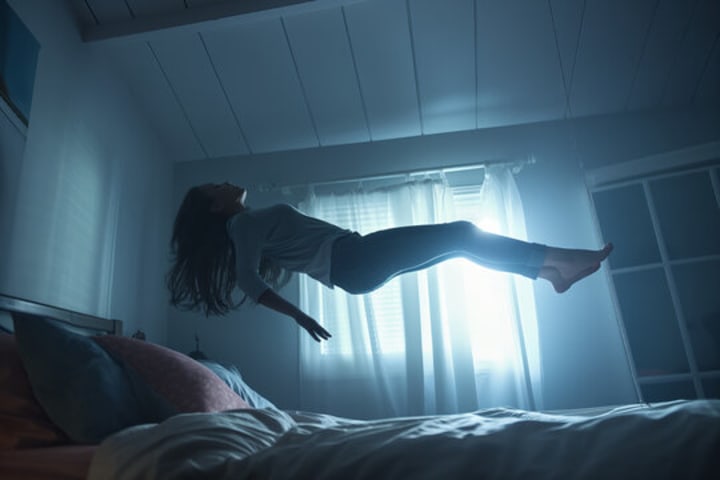
Fear or Dread: People with sleep paralysis attacks often relate extreme fear and dreads sometimes with an expectation of impending doom. Sometimes, they may report that something evil is in the room which compounds their emotional distress.
Out-of-Body Experiences: There have been cases of people that express the feeling of being out of their body, like floating or detaching their whole physical body. It was usually described as an "out-of-body experience" and usually does attribute to the dreamy scary nature of this disease
How to Prevent Sleep Paralysis
Prevention of sleep paralysis comes in improving the quality of sleep and elimination of such recognized triggers. Here's the way to do that:
Maintain a regular sleep cycle: Sleeping and waking hours should be around the same time every day to standardize your circadian rhythm, hence making it simpler to sleep and wake up on the natural rhythm. Poor irregular sleep patterns or lack of sleep may interfere with a sleep cycle, raising your chances of sleep paralysis.
Create a Comfortable Sleep Environment: A cool, dark quiet bedroom is where to sleep. Be restricted from light and sounds. Do not work using electronic devices such as cell phones or the computer at night because lighting coming from screens change up melatonin production-the sleeping hormone.
Manage Stress and Anxiety: Very high levels of stress and anxiety have been the main triggering cause of sleep paralysis. Some forms of relaxation prior to sleeping can include mindfulness meditation, deep breathing exercises, or gentle yoga. Physically engaging activities during the day will minimize tensions that tend to stress a person; hence, it enhances the condition of sleep further.
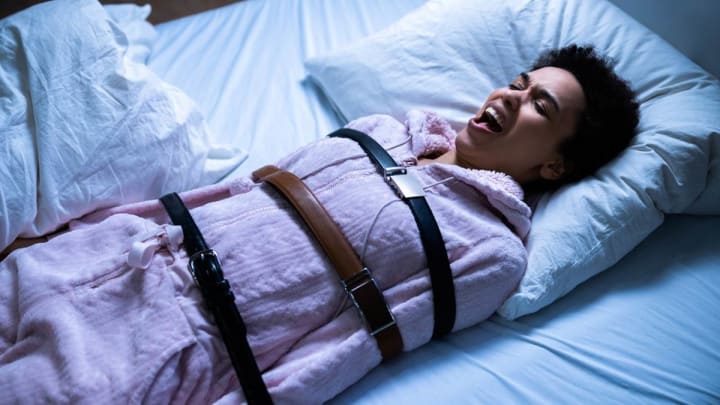
Avoid stimulants and heavy meals: Caffeine, nicotine, and alcohol are all sleep disruptors. The best way is to avoid them hours before time for bed. For the same reason, heavy and spicy foods have to be consumed early at night. It causes a feeling of unease and disrupts a good night's sleep.
Sleeping on your back: Another fact determined to explain the sleep paralysis experience among some is by sleeping on the back. One sleep position that has been determined to help in minimizing the occurrences has been sleeping on the side.
Underlying sleep disorders: This would be a condition like insomnia, narcolepsy, or sleep apnea. Maybe there is a connection in the prevalence of how often or severely episodes of sleep paralysis occur. If you have a chronic sleeping disorder, then speak with your health care provider about how you can be evaluated and treated. A physician could make the appropriate diagnosis and refer therapies or a lifestyle change.
About the Creator
Keep reading
More stories from soman Goswami and writers in Horror and other communities.
The Mystery of Slender Man: Is it Real or Not?
The Slender Man phenomenon has been under debate and discussion on the internet for over a decade. This has resulted in debates, discussions, and even real-life events that blur the line between fiction and reality. The mysterious figure in the tall, faceless man in a black suit has often been portrayed as otherworldly, causing harm to anyone of those meeting him. But is Slender Man real, or rather a product of collective imagination? The answer lies in the bowels of internet folklore.
By soman Goswamiabout a year ago in Horror


Comments (1)
Thank you for this 👌please read my writings too