
Serial Killers
Ten of the most notorious and brutal serial killers in history
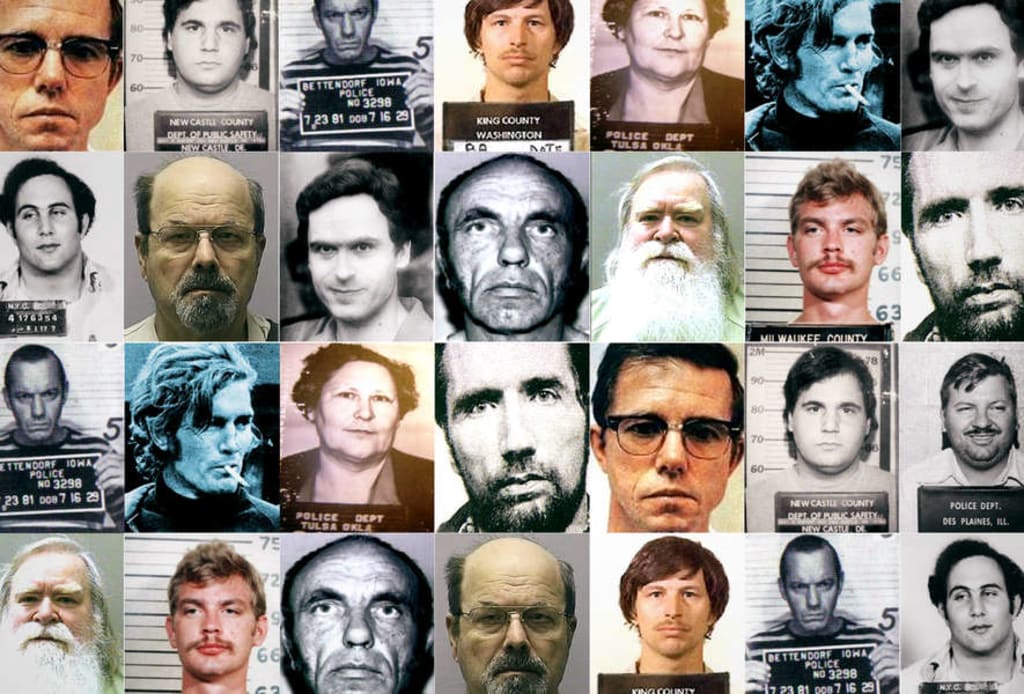
Ten of the most notorious and brutal serial killers in history;
1. Ted Bundy
2. Jeffrey Dahmer
3. John Wayne Gacy
4. Ed Gein
5. Gary Ridgway (also known as the Green River Killer)
6. Andrei Chikatilo (also known as the Rostov Ripper)
7. Dennis Rader (also known as the BTK Killer)
8. David Berkowitz (also known as the Son of Sam)
9. Richard Ramirez (also known as the Night Stalker)
10. Aileen Wuornos
It's important to note that discussing the actions of serial killers can be disturbing and potentially triggering for some individuals. If you or someone you know needs support, please consider reaching out to a mental health professional or crisis helpline.
1. Ted Bundy
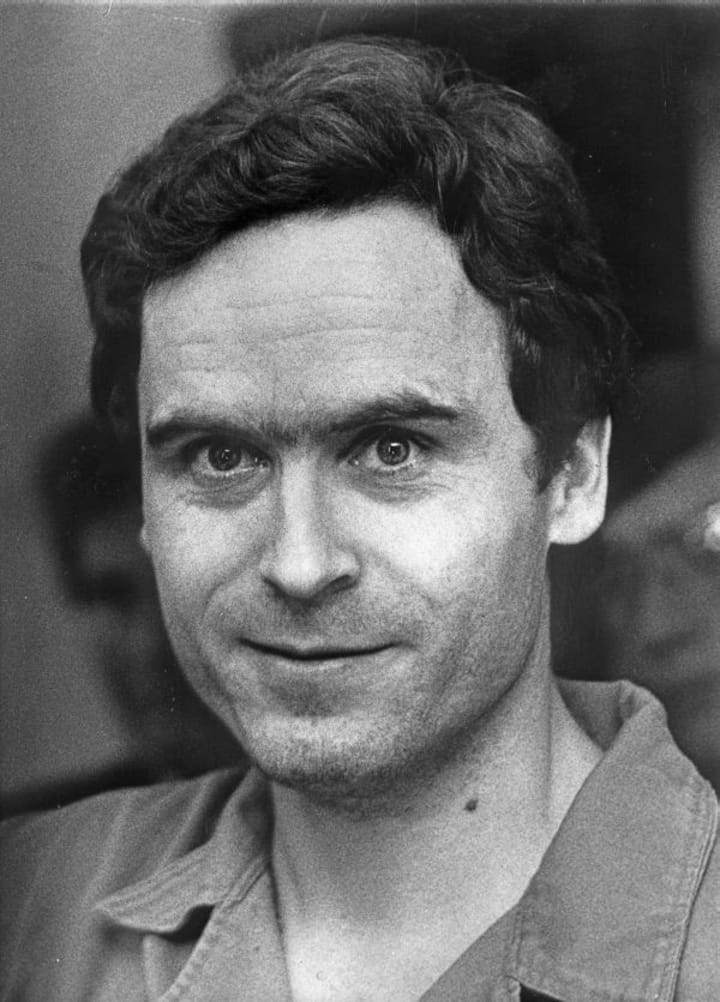
Ted Bundy was born in Burlington, Vermont, on November 24, 1946. He grew up in a middle-class family and was known for his good looks and intelligence. Despite his privileged upbringing, Bundy had a troubled childhood, and it's been suggested that he was emotionally neglected by his parents.
Bundy attended the University of Washington in Seattle, where he studied psychology. It was during this time that he began his career as a serial killer. Bundy's first known murders occurred in 1974, when he killed four young women in the span of a few weeks in the Seattle area.
Bundy's killing spree continued throughout the mid-1970s, and he is estimated to have killed at least 30 young women and girls in total. Bundy was known for his charm and good looks, which he used to gain the trust of his victims before attacking them.
Despite being a suspect in several murders, Bundy was able to evade the police for years. In 1975, he was arrested in Utah for a traffic violation, but he was able to escape from jail and flee to Florida. It was in Florida that Bundy committed some of his most heinous crimes, including the murders of two sorority sisters at Florida State University in 1978.
Bundy's luck eventually ran out in 1979, when he was arrested in Florida and charged with murder. He was convicted of several counts of murder and sentenced to death. Bundy continued to appeal his sentence for years, and even represented himself in court at one point. However, he was ultimately executed by electric chair on January 24, 1989.
Bundy's case remains one of the most notorious in American history, and his charm and intelligence have continued to fascinate and horrify people to this day.
2. Jeffrey Dahmer
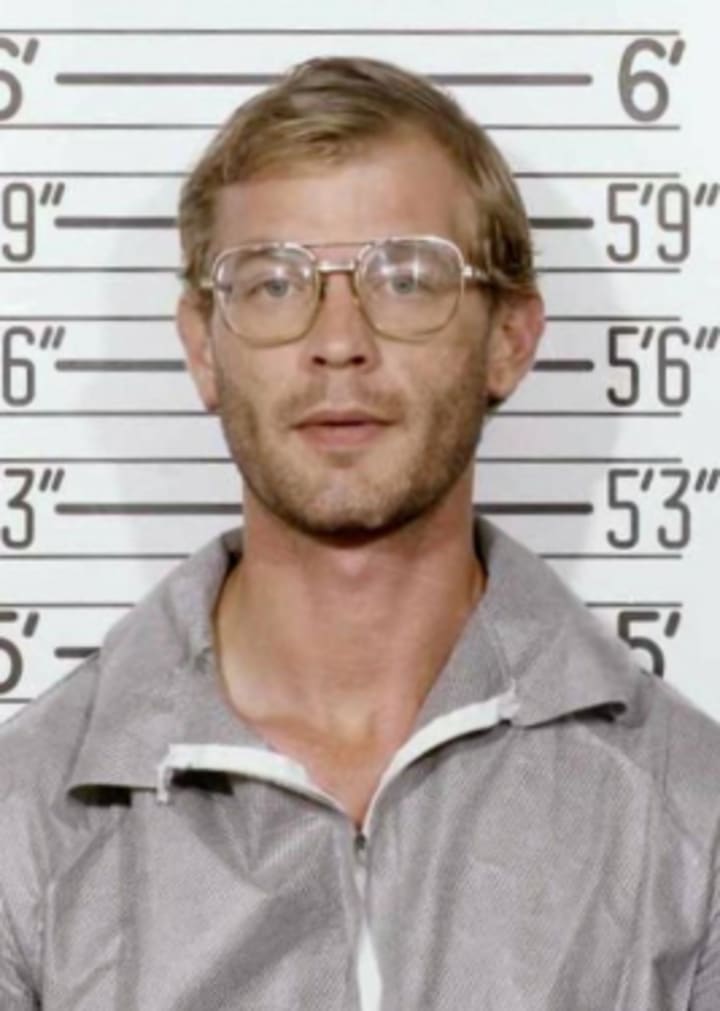
Jeffrey Dahmer was born in Milwaukee, Wisconsin, on May 21, 1960. Dahmer had a troubled childhood, and it's been suggested that he was neglected and abused by his parents. As a child, he showed an early interest in dead animals and was known to collect animal bones and carcasses.
Dahmer's killing spree began in 1978, when he was 18 years old. His first victim was a hitchhiker whom he picked up and killed, dismembered, and buried in the woods. Over the next 13 years, Dahmer would go on to kill at least 17 young men and boys, most of whom were African-American.
Dahmer's crimes were discovered in 1991, when a would-be victim managed to escape from Dahmer's apartment and alerted the police. When the police searched Dahmer's apartment, they found evidence of his crimes, including body parts in his refrigerator and freezer.
Dahmer was arrested and charged with multiple counts of murder, but he initially pled not guilty by reason of insanity. However, he later changed his plea to guilty and was sentenced to 15 consecutive life sentences in prison.
While in prison, Dahmer was attacked and killed by another inmate in 1994. His case has been the subject of numerous books, documentaries, and films, and his crimes continue to fascinate and horrify people to this day.
Dahmer's case has also been studied by psychologists and criminologists in an attempt to understand what drives someone to commit such heinous acts. Many theories have been put forth, but there is still much that remains unknown about the mind of a serial killer like Jeffrey Dahmer.
3. John Wayne Gacy
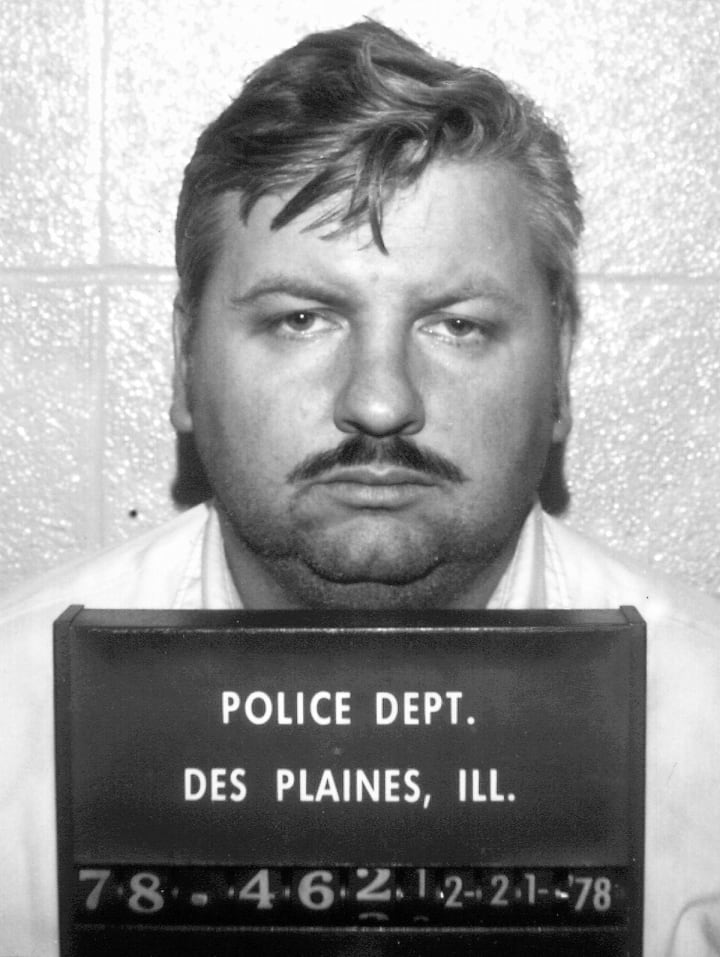
John Wayne Gacy was born in Chicago, Illinois, on March 17, 1942. He was raised in a middle-class family and was known for his outgoing personality and his involvement in the local community. However, Gacy had a troubled childhood, and he was reportedly physically and emotionally abused by his father.
Gacy's killing spree began in 1972, when he was 30 years old. His first victim was a teenage boy whom he lured to his home and strangled to death. Over the next six years, Gacy would go on to kill at least 33 young men and boys, most of whom he buried in the crawl space beneath his house.
Gacy was known for his ability to charm his victims, often offering them jobs or promising them drugs or money. He would then lure them back to his home, where he would sexually assault and murder them. Gacy's crimes were discovered in 1978, when he was arrested for an unrelated charge of sexual assault.
When police searched Gacy's home, they found the remains of his victims, as well as evidence of his crimes, including clothing, jewelry, and driver's licenses belonging to some of the missing boys. Gacy was charged with multiple counts of murder and was found guilty on all counts.
Gacy was sentenced to death and was executed by lethal injection on May 10, 1994. His case remains one of the most notorious in American history, and his crimes have had a lasting impact on the families of his victims and the community at large.
Gacy's case has also been the subject of numerous books, documentaries, and films, and his twisted personality and horrific crimes continue to fascinate and horrify people to this day.
4. Ed Gein
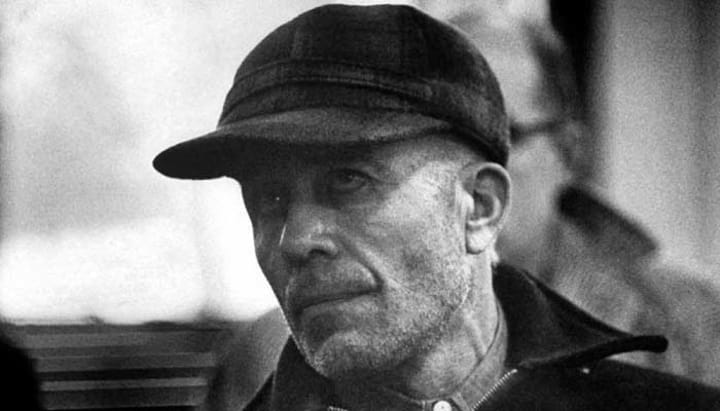
Ed Gein was born in La Crosse County, Wisconsin, on August 27, 1906. Gein grew up in a rural area, and his family was known to be socially isolated and emotionally cold. Gein's father was an alcoholic, and his mother was deeply religious and overbearing.
Gein's killing spree began in 1954, when he was 48 years old. His first known victim was a woman named Mary Hogan, whom he shot and killed at her tavern. Over the next two years, Gein would go on to kill at least two more women.
However, it was not the murders that Gein is most infamous for, but rather the gruesome and bizarre ways in which he treated the bodies of his victims. When police searched Gein's home after his arrest, they found that he had been using human skin to make lampshades, chairs, and other household items. He had also created a "woman suit" made from the skin and body parts of his victims, which he would wear in an attempt to transform himself into a woman.
Gein's crimes were discovered in 1957, when police searched his home after the disappearance of a local hardware store owner. Gein was arrested and charged with multiple counts of murder and other crimes. He was found guilty on all counts but was ultimately found to be legally insane and was sent to a mental institution.
Gein spent the rest of his life in mental institutions, and he died in 1984 at the age of 77. His case has had a lasting impact on popular culture, with several films, books, and TV shows being inspired by his life and crimes. Gein's twisted personality and bizarre behavior continue to fascinate and horrify people to this day.
5. Gary Ridgway (also known as the Green River Killer)
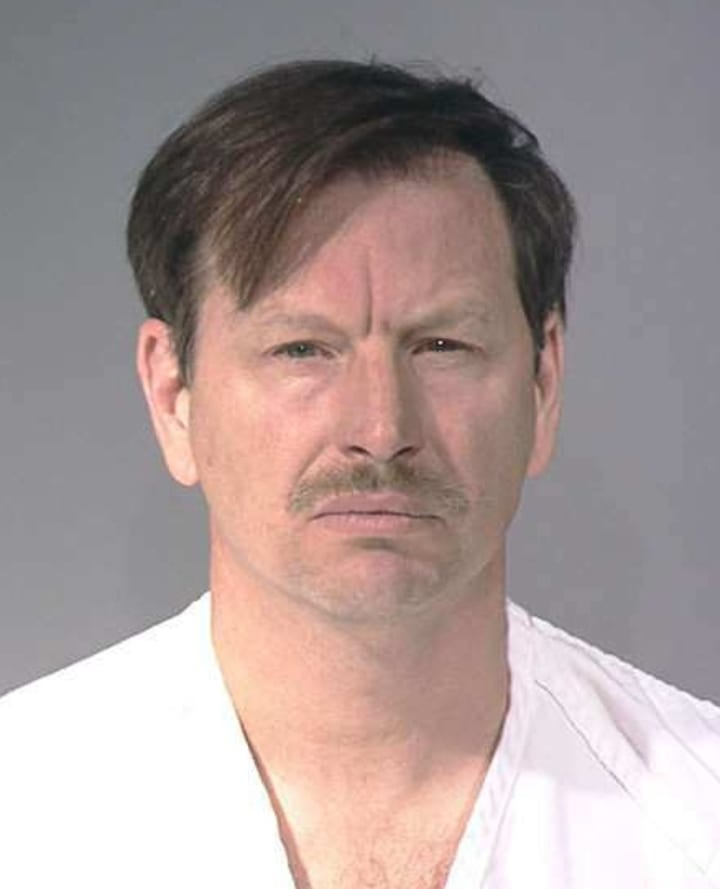
Gary Ridgway was born in Salt Lake City, Utah, on February 18, 1949. He grew up in a troubled household, with a domineering mother and an abusive father. Ridgway was known for his low IQ and his difficulty in school, and he was often picked on by other students.
Ridgway's killing spree began in the early 1980s, when he was in his early 30s. He primarily targeted young women, many of whom were prostitutes or runaways. Ridgway would pick up his victims along the Pacific Highway South in Washington State, where he lived and worked as a truck painter.
Ridgway was able to avoid detection for years, and it wasn't until 2001 that he was finally arrested for the murders of four women. In exchange for a plea deal, Ridgway provided information that led to the discovery of the remains of many of his other victims.
In total, Ridgway was convicted of 49 counts of murder, making him one of the most prolific serial killers in American history. However, it is believed that he may have killed many more victims, possibly even over 70.
Ridgway was sentenced to life in prison without the possibility of parole in 2003. He is currently serving his sentence at the Washington State Penitentiary.
Ridgway's case has had a lasting impact on the families of his victims and the community at large. His horrific crimes have been the subject of numerous books, documentaries, and TV shows, and his case remains one of the most notorious in American history.
6. Andrei Chikatilo (also known as the Rostov Ripper)
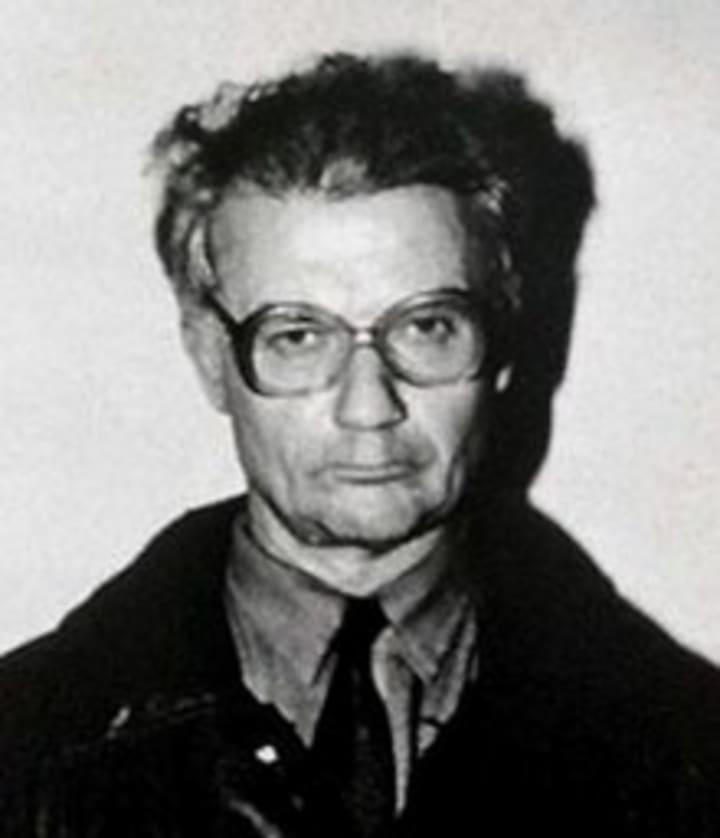
Andrei Chikatilo was born in Yabluchne, a village in Ukraine, on October 16, 1936. He grew up in poverty and experienced great suffering during World War II. Chikatilo's mother was reportedly abusive and controlling, and he struggled with a speech impediment that made him a target for bullies.
Chikatilo's killing spree began in 1978, when he was in his early 40s. He primarily targeted young women and children, luring them into secluded areas where he would torture, rape, and murder them. Chikatilo's killings continued for over a decade, and he became known as the "Butcher of Rostov" for the gruesome ways in which he dismembered his victims.
Despite his horrific crimes, Chikatilo was able to avoid detection for years. However, in 1990, he made a crucial mistake and was caught attempting to abduct a young woman. Chikatilo's DNA was found to match that of the killer, and he was arrested and charged with 52 counts of murder.
Chikatilo's trial was a spectacle in itself, with the media and public following the case closely. He was found guilty on all counts and sentenced to death in 1992.
Chikatilo was executed by firing squad on February 14, 1994. His case has had a lasting impact on the study of criminal psychology, as his behavior and motives were extensively analyzed and studied. Chikatilo's killings also prompted changes in the Soviet criminal justice system, which had previously been criticized for its failure to catch him.
Chikatilo's case has been the subject of numerous books, documentaries, and films, and his legacy as one of the most heinous serial killers in history continues to captivate and horrify people to this day.
7. Dennis Rader (also known as the BTK Killer)
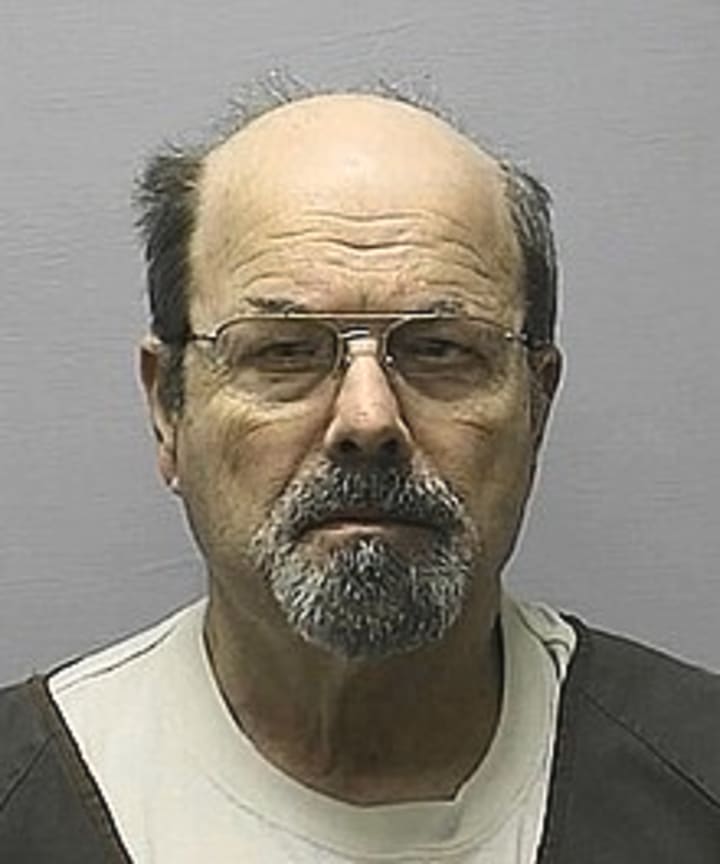
Dennis Rader was born on March 9, 1945, in Pittsburg, Kansas. He was raised in Wichita, where he attended church and was a Boy Scout. He was known to have a fascination with bondage and torture from a young age, and he reportedly began peeping into windows and stealing women's undergarments as a teenager.
Rader's killing spree began in 1974, when he was in his late 20s. He primarily targeted women and children, stalking them and breaking into their homes to murder them. Rader's killings continued for over 30 years, and he became known as the "BTK Killer" for his method of binding, torturing, and killing his victims.
Despite a lengthy investigation, Rader was able to avoid detection for decades, often taunting law enforcement with letters and communications. It wasn't until 2004, when Rader sent a floppy disk to the police, that he was finally caught. The disk contained metadata that led to Rader's arrest.
Rader pleaded guilty to 10 counts of murder and was sentenced to 10 consecutive life sentences in prison in 2005. He is currently serving his sentence at the El Dorado Correctional Facility in Kansas.
Rader's case has had a lasting impact on the field of criminal psychology, particularly in understanding the motivations and behaviors of serial killers. His horrific crimes and the way he taunted law enforcement and the public with letters and communications have also fascinated and horrified people for years.
Rader's case has been the subject of numerous books, documentaries, and TV shows, and his legacy as one of the most notorious serial killers in American history continues to captivate and shock people to this day.
8. David Berkowitz (also known as the Son of Sam)
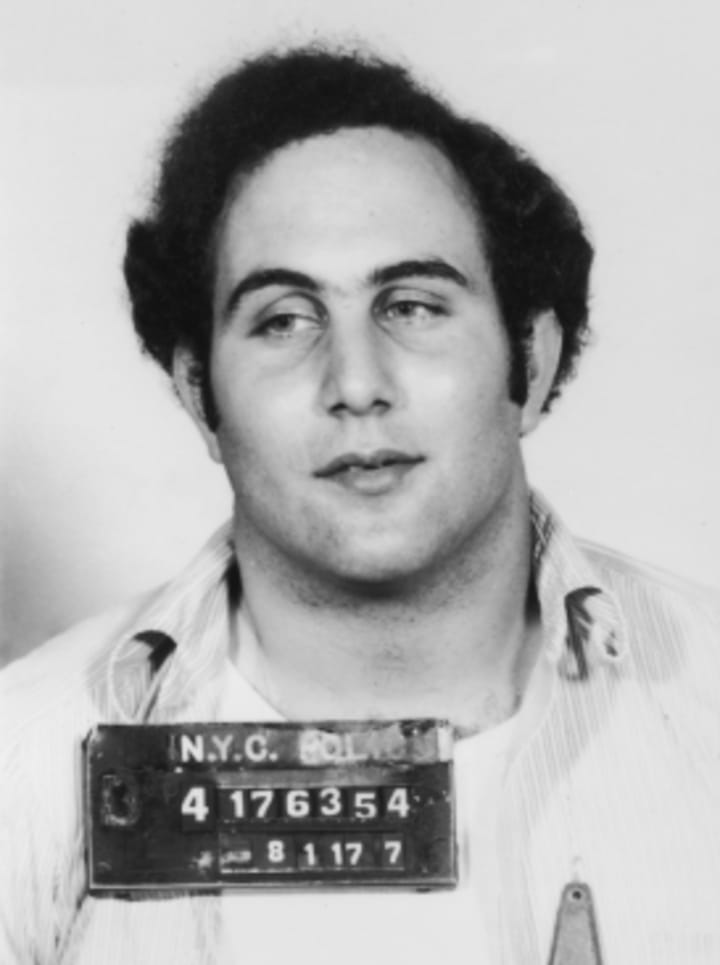
David Berkowitz, also known as the "Son of Sam," was born on June 1, 1953, in Brooklyn, New York. He was adopted as an infant by Nathan and Pearl Berkowitz and grew up in a Jewish family in the Bronx. Berkowitz reportedly had a difficult childhood, struggling with his identity and feeling rejected by his birth mother.
Berkowitz's killing spree began in the summer of 1976, when he was in his early 20s. He primarily targeted young women, shooting them with a .44 caliber revolver as they sat in parked cars or walked home at night. Berkowitz left taunting letters at the crime scenes, signing them as the "Son of Sam," which became his notorious moniker.
Despite a massive manhunt and extensive investigation, Berkowitz was not caught until August 10, 1977, when he was spotted by police officers while he was attempting to set a car on fire. When questioned, he quickly confessed to the Son of Sam killings and claimed that he was receiving orders to kill from a demonic entity named "Sam."
Berkowitz was convicted of six counts of second-degree murder and sentenced to 25 years to life in prison for each count. He is currently serving his sentence at the Shawangunk Correctional Facility in New York.
Berkowitz's case has had a lasting impact on criminal psychology, particularly in the study of serial killers and their motivations. His use of taunting letters and his claims of receiving orders from a demonic entity have also fascinated and horrified people for years.
Berkowitz has since renounced his Satanic beliefs and claims that he was suffering from mental illness during the time of the killings. He has also expressed remorse for his actions and has become an advocate for better mental health care for prisoners. However, his legacy as one of the most notorious serial killers in American history continues to captivate and shock people to this day.
9. Richard Ramirez (also known as the Night Stalker)
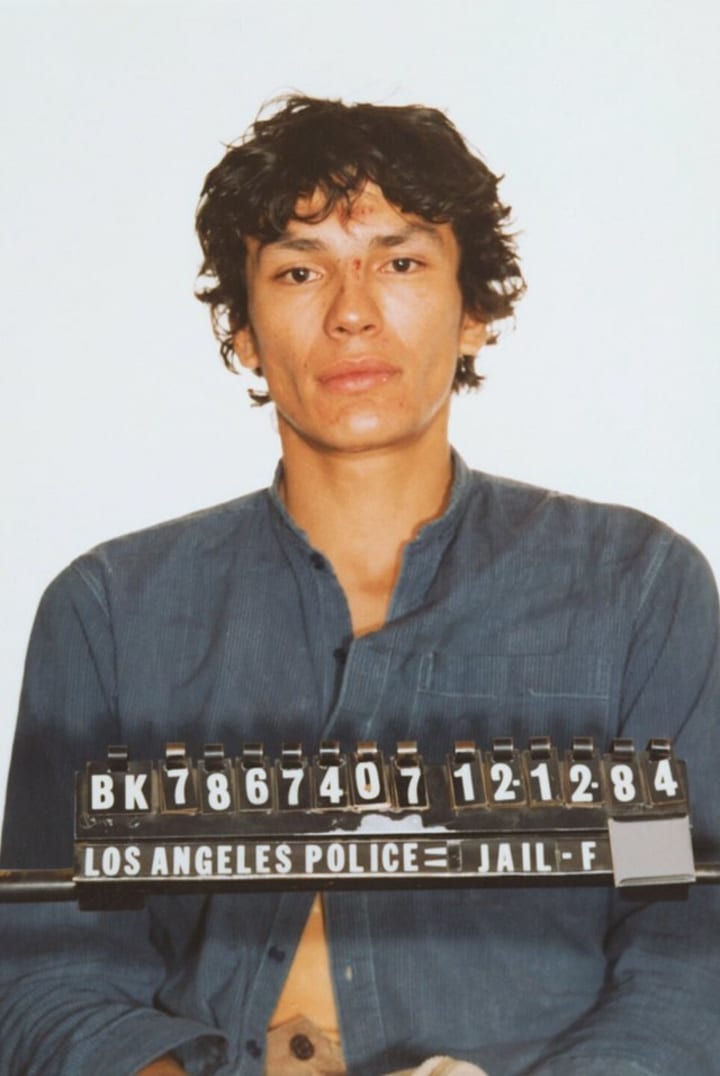
Richard Ramirez, also known as the "Night Stalker," was born on February 29, 1960, in El Paso, Texas. He was raised in a dysfunctional household and reportedly experienced physical and emotional abuse from his father, who was a former police officer. Ramirez also reportedly developed an early fascination with Satanism and the occult.
Ramirez's killing spree began in the summer of 1984, when he was in his mid-20s. He primarily targeted women and couples, breaking into their homes at night and brutally murdering them with weapons such as knives, hammers, and tire irons. Ramirez also raped and tortured some of his victims, and he often left Satanic symbols at the crime scenes.
Despite a massive manhunt and extensive media coverage, Ramirez was not caught until August 31, 1985, when a group of citizens in East Los Angeles recognized him from a news report and chased him down. Ramirez was eventually apprehended by police and charged with 13 counts of murder, 5 counts of attempted murder, 11 counts of sexual assault, and 14 counts of burglary.
Ramirez's trial was highly publicized and lasted nearly four years. He was eventually convicted on all counts and sentenced to death in 1989. Ramirez died in prison on June 7, 2013, while awaiting execution.
Ramirez's case has had a lasting impact on criminal psychology and the study of serial killers. His use of Satanic symbols and his seemingly random and brutal attacks have also fascinated and horrified people for years. Ramirez's case has been the subject of numerous books, documentaries, and TV shows, and his legacy as one of the most notorious serial killers in American history continues to captivate and shock people to this day.
10. Aileen Wuornos

Aileen Wuornos was born on February 29, 1956, in Rochester, Michigan. She had a difficult childhood, with both parents being absent from her life. Her mother abandoned her when she was young, and her father was in prison for most of her childhood. Wuornos was also reportedly sexually abused by her grandfather and various men throughout her adolescence.
Wuornos became a prostitute in her teenage years and had a long history of drug and alcohol abuse. In 1989, at the age of 33, Wuornos began a killing spree that would result in the deaths of seven men in Florida. She primarily targeted men who picked her up while she was working as a prostitute, shooting them multiple times with a .22 caliber revolver.
Despite her claims of self-defense, Wuornos was eventually caught by police and charged with the murders. Her trial was highly publicized and controversial, with Wuornos being portrayed in the media as a "monster" and "man-hating lesbian." She was eventually convicted of six counts of first-degree murder and sentenced to death.
Wuornos's case became a cause célèbre for advocates of mental illness and women's rights. Her attorneys argued that she had a history of severe mental illness, including borderline personality disorder and dissociative disorder, and that she had acted in self-defense against the men who had sexually assaulted and abused her.
Wuornos was executed by lethal injection on October 9, 2002, at the Florida State Prison. Her story has been the subject of numerous books, documentaries, and movies, including the 2003 film "Monster," which won Charlize Theron an Academy Award for her portrayal of Wuornos.
About the Creator
Imaginary Storyteller
Writer of short and mysterious stories.
Keep reading
More stories from Imaginary Storyteller and writers in Horror and other communities.
Mazes of the Mind
In New York, a serial killer was wreaking havoc in the city. The murderer was killing by targeting famous figures, and the way the murders were committed was quite brutal. After each murder, the killer left symbols in the victim's mind that looked like mazes. The police tried to find the identity and motivation of the murderer, but to no avail.
By Imaginary Storyteller3 years ago in Criminal



Comments
There are no comments for this story
Be the first to respond and start the conversation.