
Real story of Stree: the real urban legend
behind the witch in Stree movie

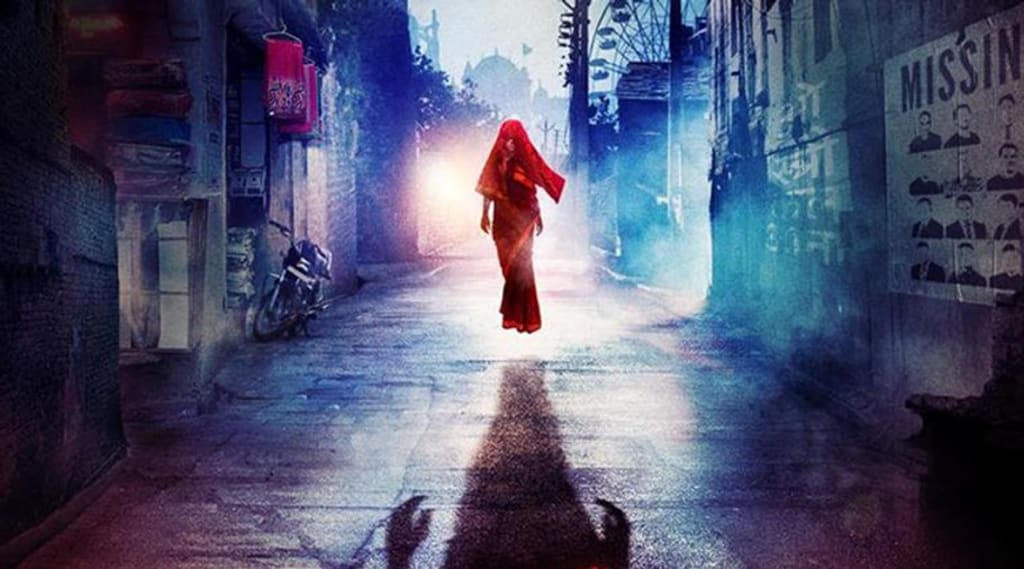
Stree movie, with all its eerie aspects and reality about supernatural horror, marries well into cultural folklore, while its phenomenon originated in Bangalore under the mysterious figure of Nale Ba, or O Stree, Kal Aana, which means 'Come tomorrow'. This supernatural woman knocks on doors at night and calls out in the voice of a loved one and disappears if the victim responds to her by yelling the words Nale Ba, meaning "come tomorrow." It has evolved into the horror-comedy film Stree set in Chanderi that touches upon fears, folklore, and social commentary.
It is inspired by the widespread folklore of spirits and supernatural encounters, told throughout India, especially in rural settings. Such urban legends are used as entertainment as well as to deter crimes. In different parts of India, the real origins of the Stree legend may be different, but the eerie story of a vengeful witch sums up rural Indian folk culture. In most versions, the ghost is that of a wronged woman, returning in some spectral form to take revenge for what has been done against her.
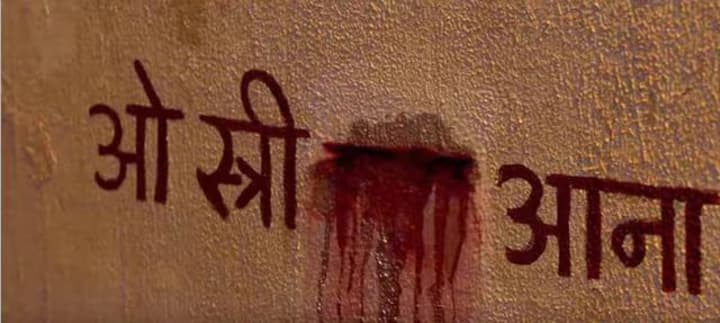
The haunting presence of Stree in folklore is the epitome of fear and empowerment. In many ways, these supernatural stories mirror the social dynamics of rural India where women often get marginalized or done injustice. These legends have made Stree both a victim and an instrument of terror, offering the oppression power recoveries in the most unusual ways.
The story of Stree comes from the Nale Ba legend, a myth which is deeply rooted both in cultural belief and in human curiosity about something mysterious. Although the oral version of the story initially started to entertain and teach cautionary lessons, it eventually flourished into popular culture over time. The adaptation of this movie, Stree, brings the legend to people worldwide, giving them the flavor of horror, laughter, and social commentary.
All it started with a Nale Ba story that, I would be saying, was popularised round about the same time in Bangalore during the early years of the 1990s. The story had the female spirit walk by around nightfall, knock on people's doors and announce within the voice of a dearly loved one, saying that it was she. But now came the twist: if the door was opened, her life would be taken instead. The only way to escape the wrath of her was shouting Nale Ba that is "come tomorrow." And this was believed to drive off the spirit and have her come back the next day.
It spread all over the city and nation as a great urban legend of Indian folklore. Sometimes it was told among communities for precaution, and through this story, men developed fear and women had a sense of security in their traditional roles in such myths. The story makes some believe in reminding people that they should be wise on how to respond to something unknown and unfamiliar.
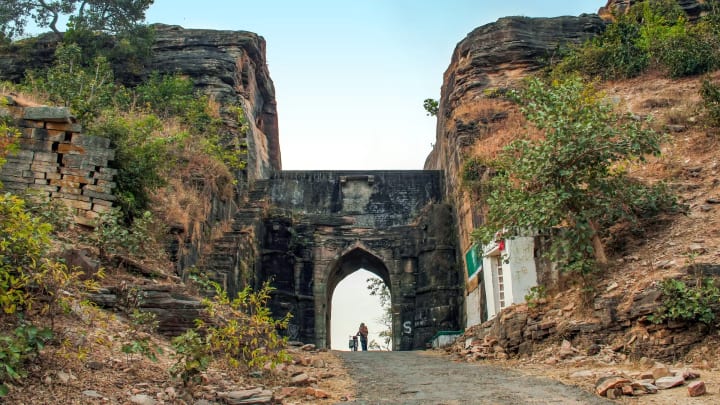
The whole context of the fable in Stree is given to be situated in the historical town, of Chanderi in Madhya Pradesh, which so happens to hold immense historic architecture and its rich cultural legacy, are made in the film. It takes Bangalore and puts in the location of a fabricated Chanderi where it speaks of Stree an urban legend haunting the village, and attacking men. Such visuals in the background also reflect mystery and horror. There is space for these using a small town setting. The constant infusion of the traditional urban myths with local culture and unique regional folklore enhances other movie elements.
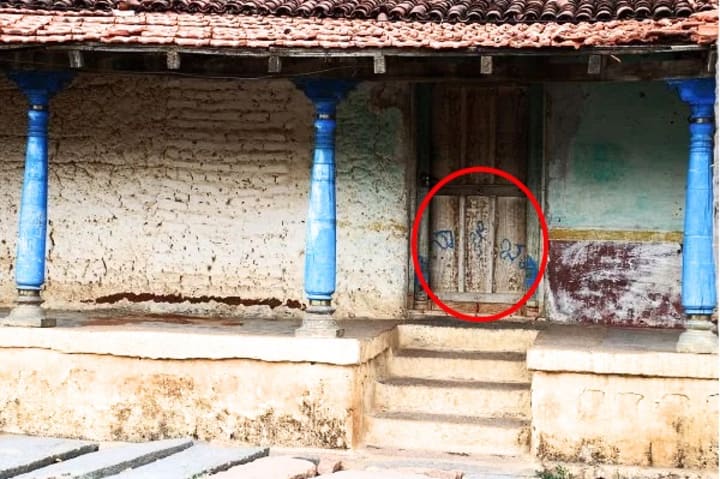
Chanderi has been a vital pick where the mood of the entire film is established. What may look spooky yet oldish does indeed form a nice frame for a horror-comedy film. The movie still makes a myth for most of the folkloric aspects of the country for itself but under each comedic current presentation lies intense cultural and deep social phobias.
Folklore Feminism: Making the Case of Stree Powerful
These despite being ghost story itself in first glance have much deeper meaning to them pertaining the gender dynamics in Indian countryside. This legend can be seen, interpreted in self as form of resistance against male dominated societies wherein women who suffered a different kind of abuse and injustice during their lives become strong spirits. The ghostly figure of Stree would then come to symbolize the fact that despite subjection, women do possess latent power turned against oppressors.
This is further explored in the movie with Stree not just an eerie presence but a manifestation of power. She thwarts societal norms in her own way by becoming this inaudible force which cannot be controlled by any human being. They learn the mystery behind it. Finally, the conclusion arrived that this is the way that they would be breaking that curse and all they ever did by changing their minds and mentality towards women.
Real-life Inspiration
All this scenario of Stree has real roots in Nale Ba. But there's only a strange mysterious haunting and ghostly stories across the rural India which bring this phenomenon into being. The villages would have such tales which go through generations, the witch stories and avenging spirits, kind of warnings one had to heed to follow and respect so as not to deviate from morality and social norms. Mostly, these stories date back to tragic history-sometimes, violent or even mysterious death of a woman becomes part of the legend in an attempt to ensure that the troubled spirits must haunt the living.
It links those stories with a contemporary narrative through the power of an urban legend and social commentary. Now, though Stree may have started its life in modes of explaining the unknown, it now stands for all that folklore represents in our way of understanding justice, gender, and power dynamics.
The Impact of Stree on Contemporary Pop Culture
The Stree legend and film version have been a huge success in India's popular culture. All the horror-comedy genre had a mix of social messages, and it made its audience talk about gender roles, the empowerment of women, and changes socially. It made people rethink as to how women are perceived as in folklore and in life.
Besides these, Nale Ba is a part of modern legends and inspires countless number of films, serials, and urban legends throughout the country of India. A female theme, here, as victim or power, raises further dialogue about gender, violence, and what should be done by society to reform.
Conclusion: The Long Trail of Stree
It is more than a ghost story; it is a reflection of the complex dynamics that make up the rural Indian society. Born out of superstition and fear, it has grown into a powerful narrative that addresses issues of justice, gender, and change in society. From the urban legend in Bangalore to the cinematic adaptation in Stree, the story of the witch who haunts men offers a chilling yet empowering message.
As urban legends evolve, the myth of Stree reminds us that the scariest stories can indeed convey deep truths about our world. Folklore, horror, and humor thus make Stree a testament to the power of myths and to the ability of myths to reach the complexities of social life.
About the Creator
Keep reading
More stories from soman Goswami and writers in Horror and other communities.
Courage the Cowardly Dog: Timeless classic of animated horror-comedy
"Courage the Cowardly Dog" is this animated treasure hiding within television entertainment borders; it contains horror, comedy, and poignant stories. Created by John R. Dilworth, it initially aired in 1999 on Cartoon Network and quickly obtained cult status for its stylish presentation, as well as the creativity displayed in its storyline. However, although ending officially after a final episode in 2002, this series has become an icon of popular culture to this day, never losing importance to all ages involved.
By soman Goswamiabout a year ago in Horror



Comments
There are no comments for this story
Be the first to respond and start the conversation.