
Old Men, Long Shadows, and the Lingering Dead
Or: From the Haunted Summer to the Winter of Waiting

Note: All images used here are used under the doctrine of FAIR USE, in the interest of social and intellectual comment and inquiry.
"Bless this house, bless this house, and the souls within, through the night 'til it's light again." Poltergeist (1982)
Old men, it has been observed, live with "long shadows" hanging over their increasingly shortening lives. The past revisits them in the wee hours of the morning, often when they are alone. Snatches of old voices, and fleeting faces, peer up from the half-awake murk of memory. Below are some of those memories.
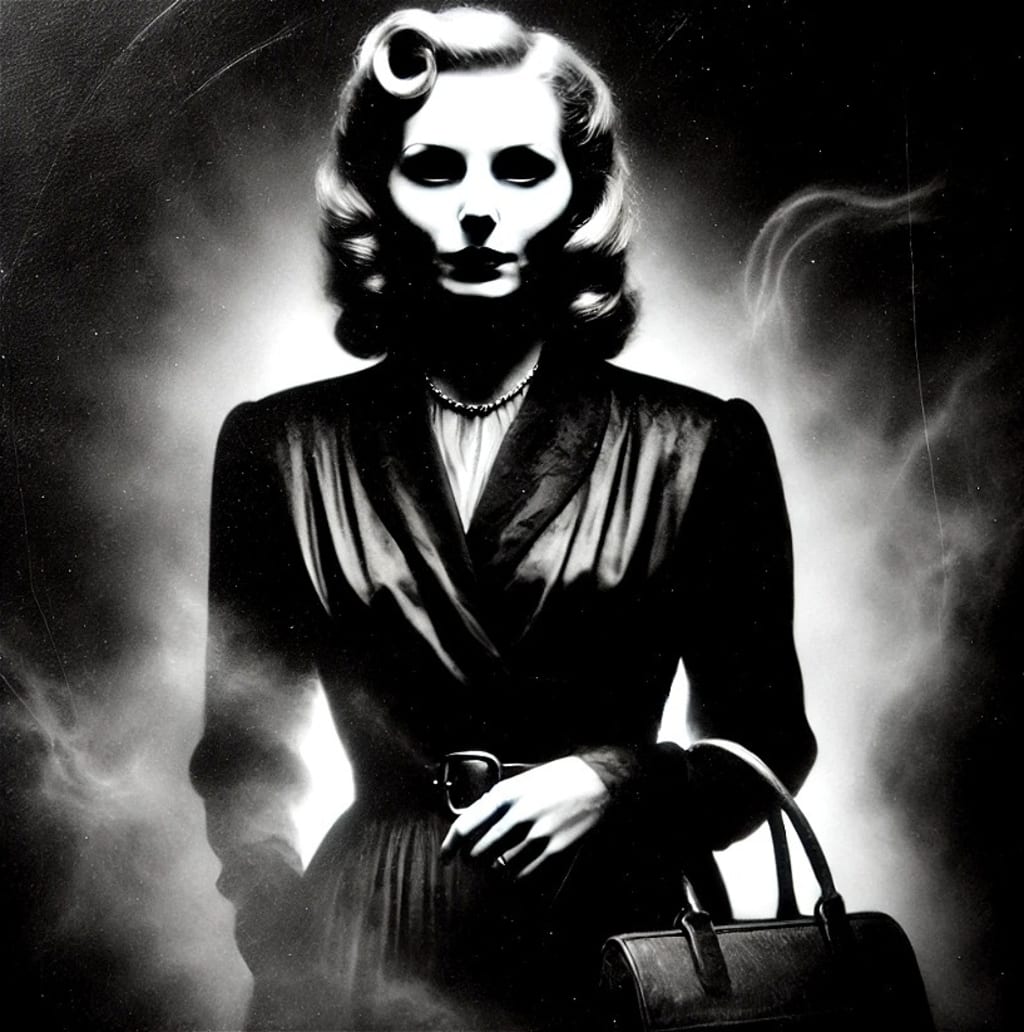
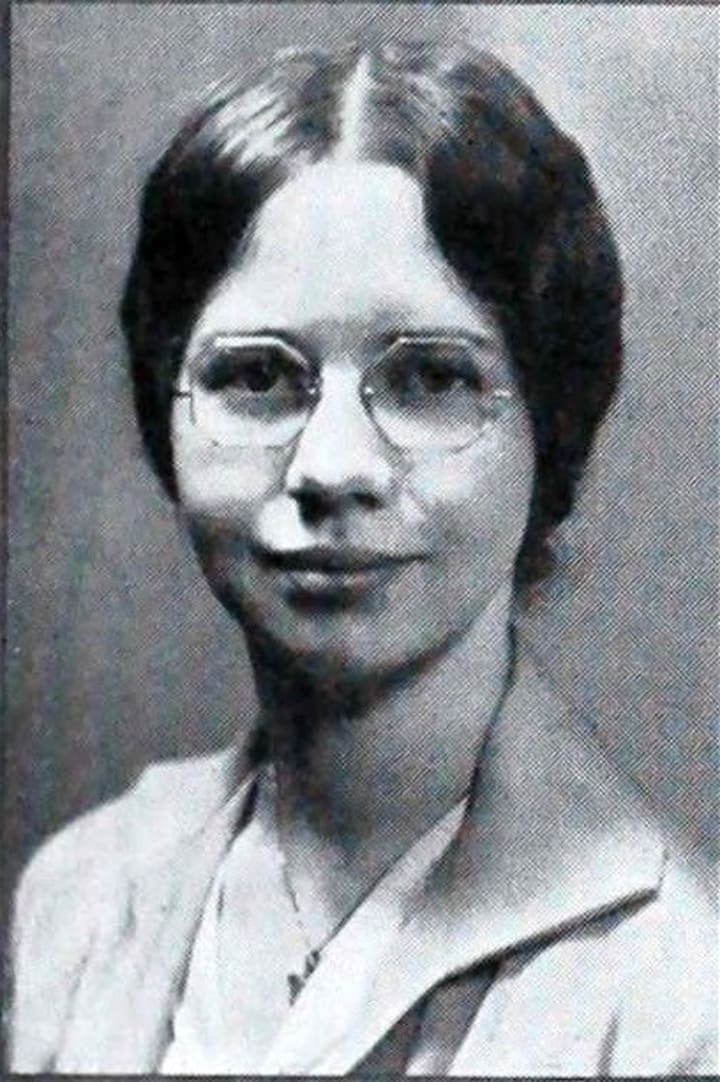
Florence Elizabeth Bly was an enigmatic, doomed young woman who, donning her coat and carrying her handbag, fell from the upper floor of her room at the Roberts Hotel in Muncie, Indiana during that august city's first "blackout drill," shortly after Pearl Harbor.
I say she had on her coat. A small card in her handbag read: "In case of death, take me to Meeks Mortuary." She was a librarian in another city, we take it. Florence wasn't even from Muncie, Indiana. But she foresaw her death--if she didn't cause it, herself--and was prepared to leave final instructions.
She was said for decades to have haunted the historic Roberts Hotel as a "tall, matronly woman dressed in black," which is the image or phantasm I saw standing in the foyer from the first-floor mezzanine, over twenty years ago, with young friends who were all looking for ghosts.
Or looking for something. Twenty-plus years later, I'm prepared to state baldly that everyone is, ultimately a ghost; back then, though, the concept seemed frightening and real. ("Nothing is real," Hassan I. Sabbah told us upon his death. "Everything is permitted." His enigmatic final dispatch.)
I saw her through the prism of my psychic awareness, to use some highfalutin' phraseology. And I didn't understand it at the time, but that door was opening up. Much like an eye in the palm of an outstretched hand.
There were reportedly many ghosts at the Roberts, which has been repurposed, we take it, into retirement apartments. The ghost of a man that chews, the ghost of Florence Bly, this and that dead gangster. Muncie had a Prohibition period as "Little Chicago" (to use the phrase of a medium my ex-wife and I once visited) in the Roaring Twenties, and the Roberts was built in 21, by Jewish immigrant John Roberts. It was an era of Keystone Cops, rumrunners, bootleggers, gunzels, and "dames is no damn good, see?" Hardboiled, baby.
It was manifestly a completely different reality. The Roberts Hotel was a place we visited often in those days, in the dead of night, sneaking past the clerk whom we oddly never saw. The place brought to mind the Overlook Hotel in The Shining. Always lit brightly, except for that darkened area of the first-floor mezzanine. On the walls up there, old-time photographs bore witness to apparitions caught on camera: faces in the floor boards, a big band with a ghostly image of a woman looking in the doorway behind them. We wondered if the hotel staff didn't hang those pictures to test whoever was walking by, to see if they caught the images of ghosts in the crumbling portraits.
My friends and I certainly did.
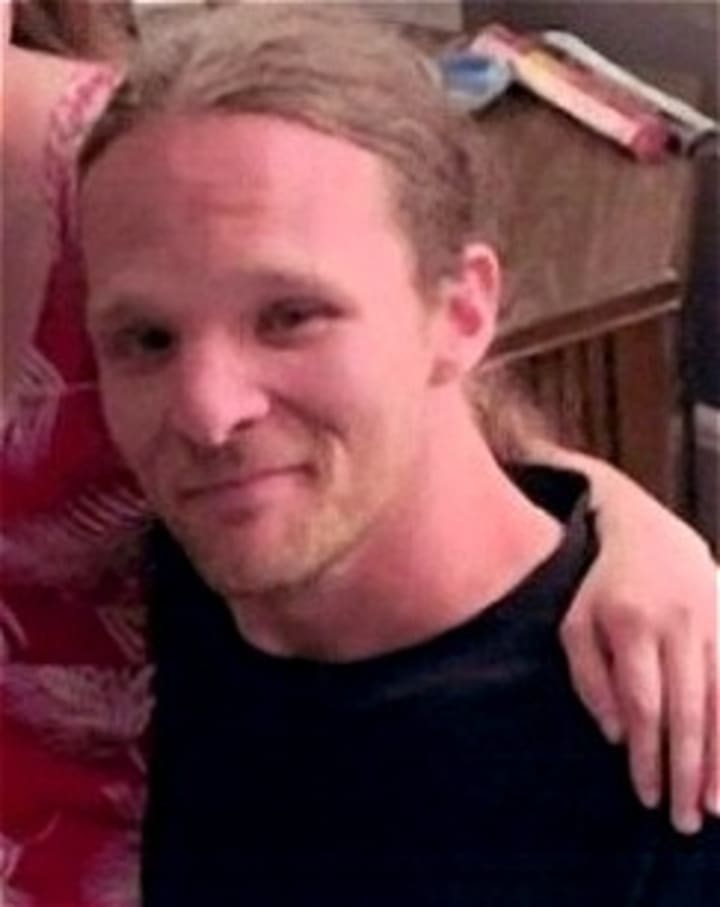
My friends, one of whom I can name, my co-author and enigmatic friend, the writer Jonathan Titchenal, who passed on in 2020 but who seems to be with me still in a very real, and sometimes frighteningly direct way, got into this nonsense because of an obsession with history. On one hand, they were Civil War reenactors, but it was also due to our using the Ouija Board, which offered dramatic results one evening--an evening that changed the trajectory of my life.
Walking "The Bob"
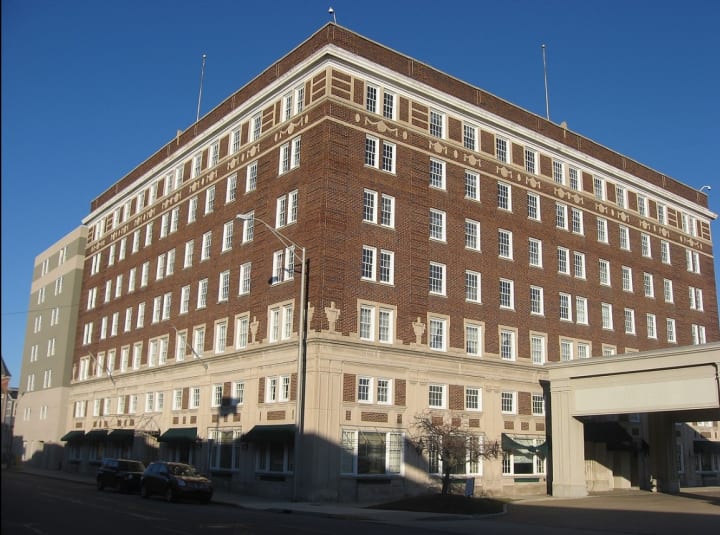
The Hotel Roberts (or Roberts Hotel, take your pick) is a great, square, monolithic and intimidating stone box, possessing an interior timeless luxury (or at least it did), but its hallways at two in the morning, are suffocating, claustrophobic, empty, quiet corridors that relive the past in inaudible whispers. They have a certain terrifying confinement inherent in their geometry of banal intersecting turns; the quintessential "liminal space". You walk past doors labeled "Clark Gable Suite," "James Cagney Suite," and, God help us, "John Dillinger Suite." Yes, Dillinger himself was rumored to have stayed here.
Undeniably, famed 1920s gangster Gerald "The Professor" Chapman (sounds like a comic book villain, does it not?) was apprehended here. Downstairs, a little alcoved place near the front doors is where Chapman would often sit, reading his paper, nervously on the lookout for the GMen. Who eventually put in an appearance and apprehended him, on January 18, 1925, at, you guessed it, the Roberts. Film noir, toots. "Little Chicago."
But the place was also rumored to have mob connections. Rumored, I say. Harriet Mitchell Bell Anthony, famed early 1900s socialite "Diamond Heels," died there, at the Roberts. Known for her outrageous and expensive attire and her penchant for sandalwood perfume, Hattie Bell must have cut a strange, Sunset Boulevard figure coming up and down the stairs into the main foyer. Perhaps she was accompanied by a fellow frequenter of the Roberts, actress Joan Crawford, who in the Sixties stayed at the Bob while in town representing Coca-Cola. An original Keystone Cop did a stand-up routine at the soda fountain off the main entrance, a place then called "Barney's." (I can't remember his name.) My how the Twenties roared.
Just a little history. Within the walls there, if they could talk, would be heard murmurs and whispers, and not a few screams. The real history everyone knows is buried beneath, for anyone who wants to go digging, either in a real-world sense or, even better, psychically. That night, my original tour of the "Bob," I was led by my three young friends down the deadening corridors in silence.
I pointed to a room.
"I can hear screaming in there," I told them. And I had an image of a man, dressed in 1943 attire, yelling at a woman. Was it Florence? Was she here for an assignation that went wrong? The door was locked from the inside, if anyone tried to enter from without. Why was she carrying her handbag, and wearing her coat, as if about to leave? And why, most importantly, if she were not from Muncie, Indiana, did she anticipate a possibility of dying there?
I din't know the story then. My young friends all exchanged curious, troubled looks. It was the dead of night, past midnight, and we were trespassing technically. We continued our tour.
Walking the first-floor mezzanine, I looked down to see what I at first took to be a tall, smartly-dressed woman in a black dress. But she seemed to be standing stock-still. Then the image faded into hallucination. But I didn't tell the others this until much later.
Walking another hall, and turning into an entryway by the back elevators, myself and a girl suddenly smelled what we felt was a very foul odor. It was a sudden spot of stench, almost like a "cold spot", and seemed to be exuding from everywhere, and nowhere. "It's the odor of death," I told them. And I still believe that.
It was another visit to the Roberts wherein I fell into a chair, went into a trance, and began speaking about a character whose name I've always remembered: "Morgan Rexroth." Who, I take it, was not a nice fellow. Jon was with us then, and he questioned me at length, striding up and down the smoking area in front of the elevators, like a detective. (It was a role he loved.)
Dear Reader, I could go on for another thousand words or so documenting strange things, explaining my propensity for mediumistic trances, and the continued relationship I have with this psychic world, which has only been strengthened by my role in life as a Tarot reader and psychic consultant for customers who have, many of them, been with me for a long, long time (and in a few cases, years). These things developed in those years. This was the gateway for me, the shift in my mental and psychic outlook, that led to what I was born into this world to do.
It's not been an easy path, these twenty-four years. (Despite the portrayal of certain celebrities, being a medium or "sensitive" is not a glamorous affair. Typically, there's a lot of alienation and hardship. Mediums don't lead easy lives, for the most part. Vide the original mediums, the Fox Sisters of Hydesville, New York, who came to inauspicious ends. I'm not a medium, in that sense, but, you get the point.)
After I was led from the premises by my friends, when we went back to our car, I was told to turn and stare at the building's facade, concentrating on the upper windows.
"It looks to me as if there's a dark woman staring out of that window."
And they looked at each other again, curiously. On the way home, they told me the story of Florence Bly, which I researched for myself in the Special Collections Room at Bracken Library on the Ball State Campus.
And yes, that is what witnesses describe. From that upper window. The image of a woman, a shadow; stock still.
And so I'll close, for now.
Bless this house.
My various books on paranormal and esoteric topics:
Glory: A Little Handbook of the Psychic Life
Haunted Indianapolis and Other Indiana Ghost Stories (with Jonathan Titchenal)
Connect with me on Facebook
About the Creator
Tom Baker
Author of Haunted Indianapolis, Indiana Ghost Folklore, Midwest Maniacs, Midwest UFOs and Beyond, Scary Urban Legends, 50 Famous Fables and Folk Tales, and Notorious Crimes of the Upper Midwest.: http://tombakerbooks.weebly.com


Comments (2)
As always, very interesting, Tom. Reminds me of some of my own experiences.
I don't really believe in the paranormal...but never say never. Thank you for this. I have a lot to read.