
Inside Chiajna Monastery: The Truth Behind Romania’s Most Haunted Ruin
Decades of Death, Disappearances, and the Paranormal Phenomena That Defy Explanation
The Haunted History and Paranormal Customs of Romania's Chiajna Monastery
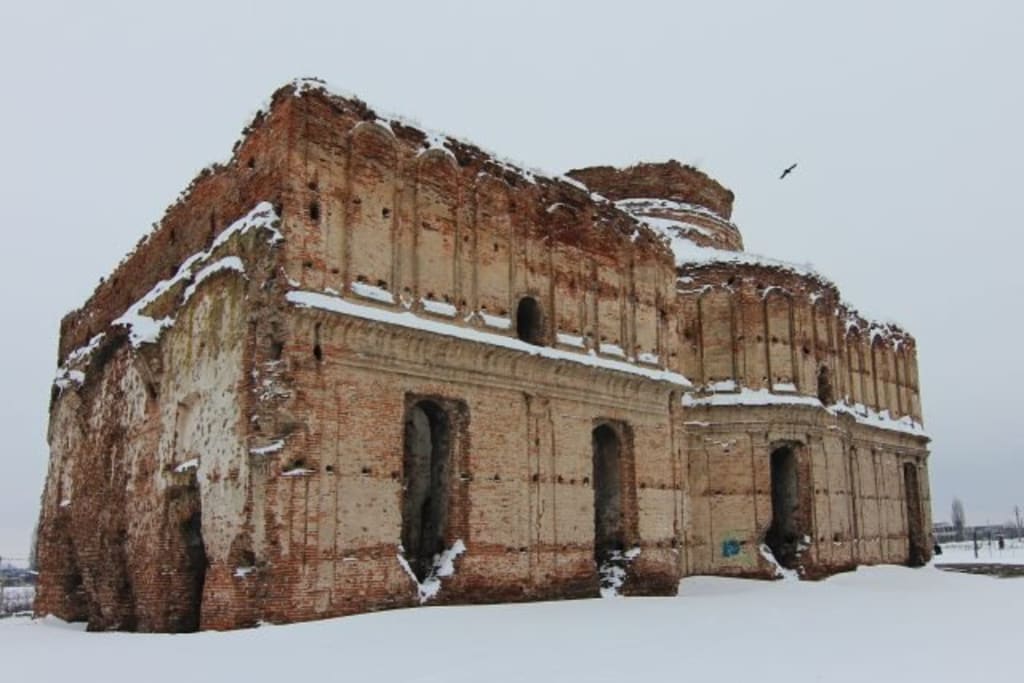
Standing at the edge of Bucharest, the remains of Chiajna Monastery loom as a quiet reminder of a tragic, betrayed, and restless history. Constructed in the late 18th century, this neoclassical building was meant to be a foreboding house of prayer, but its history soon became sinister—famous as one of Romania's most haunted sites. Below is the chilling tale of its cursed history and ghostly hauntings that continue to this day.
A History Marred with Violence and Plague
Construction of the Chiajna Monastery was commenced in the 1770s by Prince Alexander Ypsilanti and completed in 1790 by Nicholas Mavrogenes, a Phanariot Wallachian prince. The monastery was constructed in an elegant neoclassical style, and it was 43 meters long with walls measuring 2 meters in width—a monstrous structure designed to cast spiritual dominance. But that was never to be.
The Ottoman Turks, misidentifying the monastery as a military fortress, attacked and shot its interior before it was consecrated. The violent beginning was the first in a string of disappointments. In the early 19th century, the bubonic plague ravaged Romania, and the abandoned monastery was converted into a quarantine for victims of the plague. Hundreds died within its walls, their suffering infusing a permanent aura of despair into its stones.
Natural disasters compounded its destruction. The 1977 earthquake in Bucharest brought down its central tower, rendering the building dangerously unstable and frozen in decline. Though it was declared a historical monument in 2010, its restoration has proceeded slowly, and the monastery remains an unsettling silhouette on the skyline.
Ghosts of Betrayal, Plague, and Lost Souls
The monastery's tragic history fostered innumerable legends, many of which still exist in local folklore and tourist testimony to this day:
The Bell That Rings from the Depths
To discourage another Turkish invasion, villagers allegedly threw the monastery's gigantic bell into the Dâmbovița River. But on full moon nights, its ghostly rings allegedly ring out through the ruins—a sad omen of the monastery's unblessed demise. Others consider it the specter's knell of plague victims or murdered people within the monastery walls, forever trapped in their death agonies.
The Tragic Ghost of Ancuta
The. most common ghost is that of the daughter of Lady Chiajna, Ancuta, a princess who ruled the kingdom. Ancuta adored a man her mother despised and ran to the monastery to marry him. Lady Chiajna was furious and ordered the murder of her daughter. By tradition, the ghost of Ancuta is found standing at the door, face and face sometimes seen in glimpses of darkness.
Shadows of the Plague Dead
Visitors report dark silhouettes hovering over the rubble, believed to be ghosts of plague victims who perished in agony. Others speak of "gigantic shadows" on walls, possibly restless souls of individuals buried in hidden graves.
The Sphinx-Like Guardian
An unusual shape in the plaster of the monastery, either resembling the Sphinx at Giza or an angel, adds to its mysticism. It is seen as a ghostly protector or a cursed omen, adding to the reputation of the place as otherworldly.
Modern-Day Violence and Disappearances
The 20th century introduced new atrocities. Two killings are said to have taken place here—one prior to 1990 and the other later—coupled with accounts of Roma people disappearing in the vicinity of the ruins. These reports gave credence to the theory that the monastery is a magnet for tragedy.
Visiting the Cursed Sanctuary
Today, the Chiajna Monastery is shrouded in mesh wire, which is so weak that it does not allow tourists. Yet, its hauntingly alien-like atmosphere invites photographer tourists, paranormal researchers, and adventure travelers. Tourists typically complain of heavy lightness, unexplainable temperature fluctuations and drops, and strange noises—whispering, echoes, or shouting at a far location, allegedly of Ancuta.
Although haunted, the Romanian Orthodox Church took back the building in 2011 with the intention of restoring it to its religious function. People are still divided: some want to keep its ghostly history, while others want to break the curse that had been placed on it for more than two centuries.
Conclusion
Chiajna Monastery is a ruin but so much more—a mosaic of human suffering, deceit, and abandoned prayers. If the paranormal activity is residual of its dramatic past or sheer superstition, the site clings to those willing to meet its specters. "The walls here remember everything", a local once said. For now, though, the monastery is an otherworldly testament to Romania's rich if dark folklore—a place where fact and fiction blur.
About the Creator
Kyrol Mojikal
"Believe in the magic within you, for you are extraordinary."
Keep reading
More stories from Kyrol Mojikal and writers in Horror and other communities.
Beneath the City of Light: The Haunted Labyrinth of Paris’s Catacombs
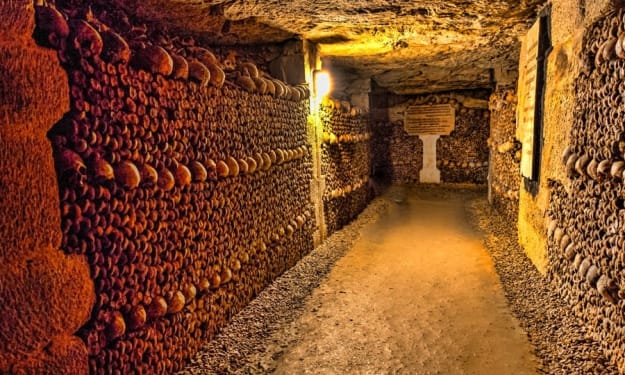
The Paris Catacombs: A Journey Through History and Spookiness Underneath Paris's charming boulevards lies a grotesque subterranean world separate from the city's radiant beauty—the Paris Catacombs. This 200-mile network of tunnels houses the bones of six million individuals and a life of utilitarianism and horrorful charm. From its humble roots as a solution to a public health crisis to present-day status as one of the most haunted locations on the planet, the Catacombs are as bizarre as they are extensive.
By Kyrol Mojikal12 months ago in Horror
A System That Isn’t Working Challenge Winners
Systems promise order. They organize behavior, distribute opportunity, and suggest that if everyone follows the rules, things will work. The entries in A System That Isn’t Working look closely at what happens when that promise begins to slip.
By Vocal Curation Teama day ago in Resources



Comments
There are no comments for this story
Be the first to respond and start the conversation.