
Haunted Coos County
Where The Fog Doesn't Just Roll In, It WATCHES You...

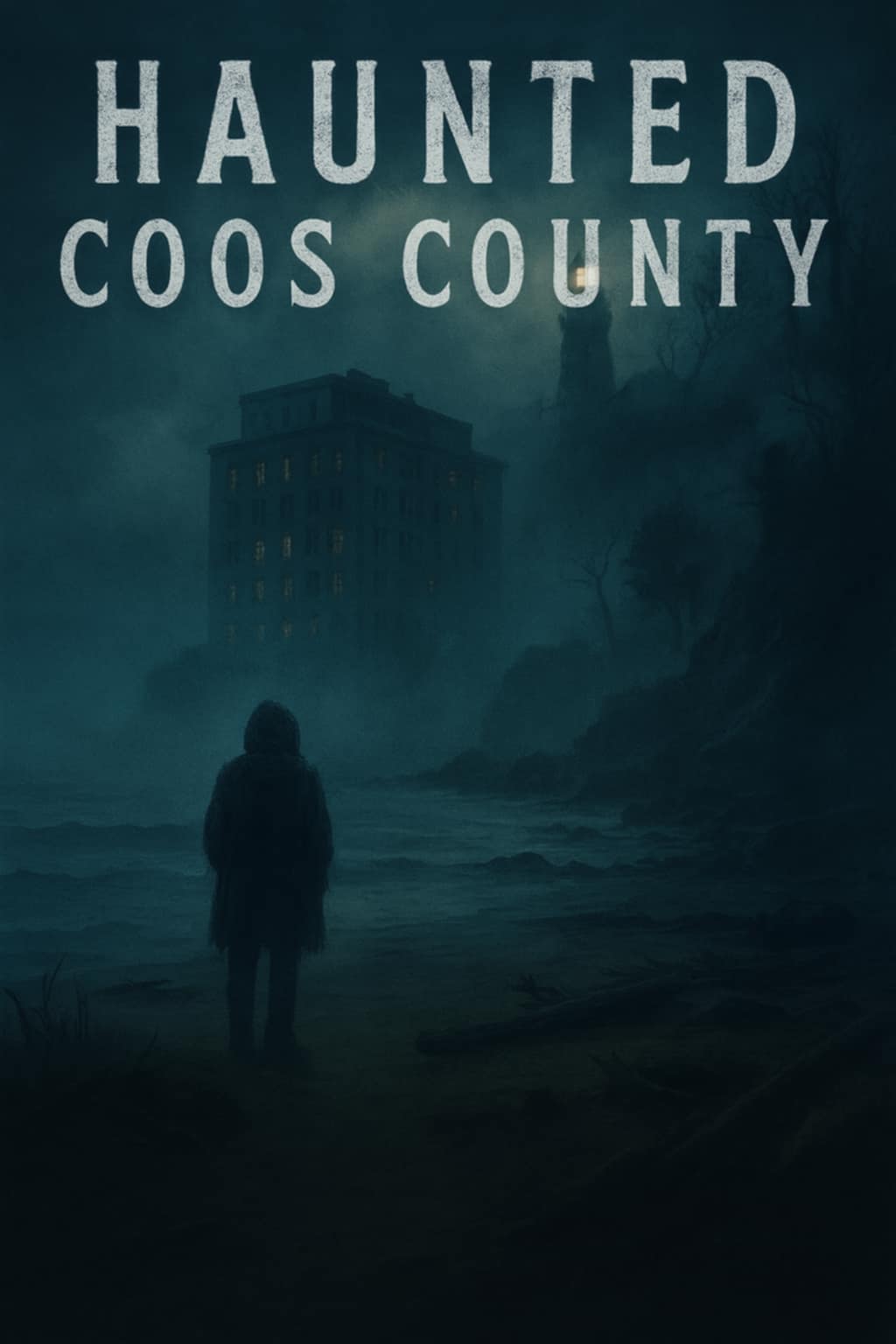
The Oregon coast is no stranger to mystery, but Coos County? It's a haunted anthology disguised as a sleepy seaside stretch. From abandoned hospitals to ghost-infested theaters, this place doesn't just hold spirits...it breeds them.
Every summer, thousands roll into Coos County chasing dunes, music festivals, and fog-filtered sunsets. Some come for the seafood. Others pass through on their way to somewhere shinier. But from June through August, the campgrounds are packed, the trails are alive, and the coast feels like it's hosting a secret.
Average highs flirt with 74°F, lows settle near 51°F, and the fog (ever dramatic) burns off by midmorning. That's when the real show begins: hiking cliffside trails, biking through moss-draped forests, tearing across the dunes, or photographing a landscape that's not asking to be understood. It's paradise with a pulse, and if you listen closely, it's not just the waves that you'll hear.
By October, the charm cracks. The fog rolls in earlier. The wind stops playing nice, and the places that felt charming in July? They start to feel like they are...watching.
Locals stop joking about the Tioga Building. Sharkbite Cafe gets quieter after dark. The Little Theater on the Bay rehearses with more than actors. The empty lot where McAuley Hospital once stood still feels occupied. The veil thins, the stories surface, and the coast stops pretending it's just scenic. It isn't a haunted house, it's a haunted region, and Halloween is where it shows its teeth.
The Tioga Building

At nine stories tall, the Tioga Building is the tallest inhabitable structure on the Oregon coast, and it's been watching this town longer than most of its residents have been alive. Construction began in 1925, but the building sat unfinished for nearly two decades. Locals called it "The White Elephant," a concrete carcass of stalled ambition and economic collapse. It wasn't until after World War II in 1948 that the building was finally completed and renamed Tioga, a word borrowed from the Iroquois meaning "where it forks." Fitting for a place that seems permanently stuck between past and present.
The building was originally intended to be a hotel, a symbol of prosperity for a town trying to reinvent itself. But the Great Depression hit hard, and the Tioga became a monument to what never was. For years, it loomed over downtown Coos Bay like a ghost that hadn't figured out it was dead. Even after its completion, the building never shook its reputation. Residents reported strange sounds, flickering lights, and an unmistakable feeling of being watched. The upper floors, especially, were said to harbor cold spots and shadowy figures that moved without explanation.
Today, the Tioga houses apartments and retail spaces, but the ghosts haven’t left. Tenants speak of footsteps in empty hallways, lights turning on in sealed rooms, and voices that echo through the vents. The building’s age and isolation have made it a magnet for paranormal investigators, urban legends, and whispered warnings. It’s listed on the National Register of Historic Places, but no plaque can explain the unease that settles in your chest when you stand beneath it.
You don’t visit the Tioga to admire the architecture. You visit to feel the weight of something unfinished. Something watching. Something that never left.
Sharkbite's Seafood Cafe
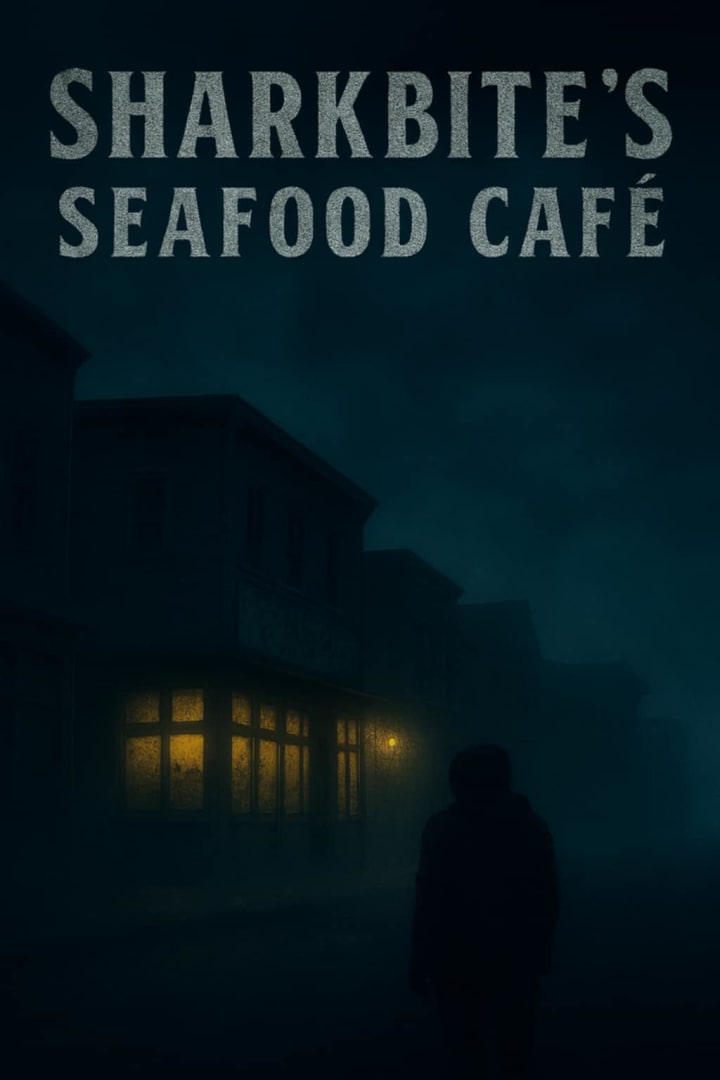
The building’s history is layered with grit. In the early 20th century, it operated as a brothel, drawing in sailors, drifters, and trouble. Fights broke out regularly, and one of them turned fatal: a boxer reportedly died during a match on the premises. His shadow is still seen pacing the upper floors, fists clenched, waiting for a rematch that never comes.
Then there’s the girl in the white dress. Staff and patrons have described her as lost but calm, drifting silently through the dining area before vanishing near the back rooms. No one knows who she is, but her presence is consistent...and chilling.
The most disturbing account involves a woman believed to be a murdered sex worker. Her apparition is felt more than seen. Cold spots. Sudden dread. And the sound of something heavy being dragged across the upper floors, even when no one is up there.
Today, Sharkbite’s is a popular café known for fresh seafood, strong drinks, and coastal charm. But beneath the burlap sacks and surfboards, the building still pulses with its past. Employees have reported lights flickering, doors opening on their own, and the unmistakable feeling of being watched.
It’s not a haunted house attraction. It’s a haunted business. And the ghosts don’t care if you’re there for brunch.
The Little Theater on the Bay
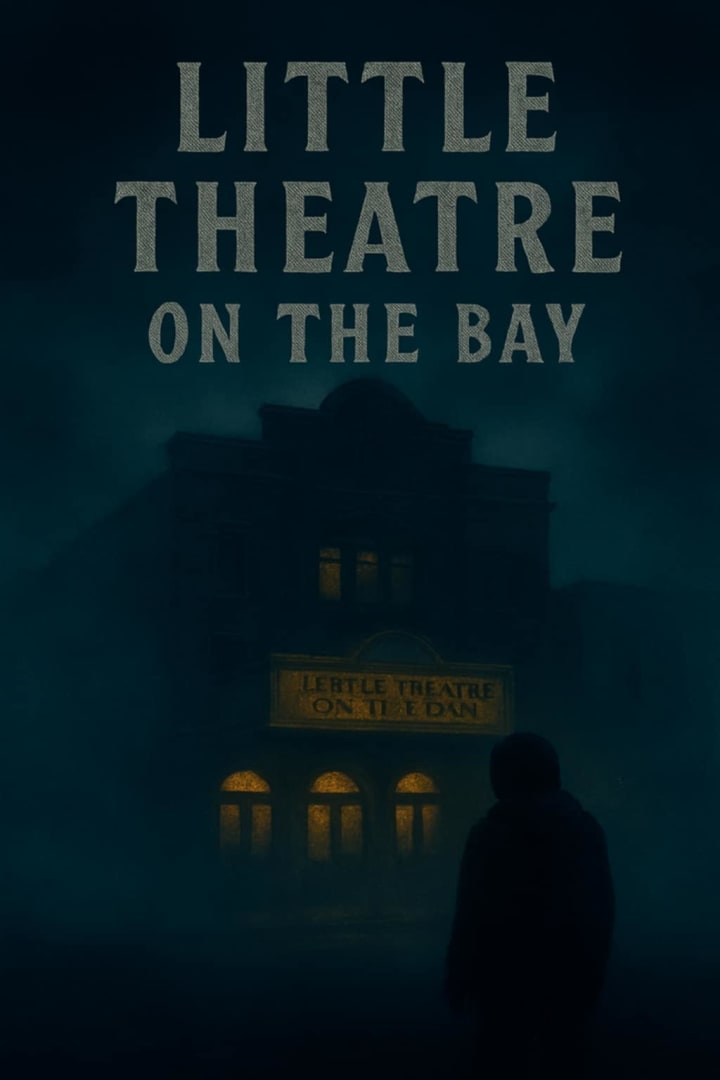
Founded in 1948 by Eleanor Shank and a group of radio performers, the Little Theatre on the Bay quickly became a cultural anchor for Coos County. But the building itself predates the troupe. It was originally built in 1924 as a silent film house, and before that, the land was rumored to host brothels and underground gatherings. The Liberty Theatre’s ornate interior, with its velvet curtains and vintage lighting, feels like it’s holding secrets. And according to cast and crew, it is.
Actors have reported seeing shadowy figures in the wings, especially during rehearsals. Props move on their own. Cold spots appear on stage. And more than one performer has claimed to hear applause from an empty house. The balcony, long closed to the public, is said to be the most active. A woman in period dress has been spotted watching rehearsals, only to vanish when approached.
Then there’s the dressing room mirror. Several actors have described seeing someone standing behind them in the reflection...someone who isn’t there when they turn around. One longtime stagehand refuses to enter the basement alone, citing “whispers that don’t stop.”
Despite its ghostly reputation, the Little Theatre on the Bay continues to thrive. It’s listed on the National Register of Historic Places and remains a beloved venue for musicals, comedies, and community events. But for those who know its history, every performance feels like a collaboration between the living and the dead.
McAuley Hospital
McAuley Hospital was never just a building—it was a warning. Built in 1925 as Wesley Methodist Hospital, it stood for nearly a century before being demolished in 2018. But even now, the empty lot on Commercial and N. 7th in Coos Bay feels occupied.
The hospital began as Wesley Methodist, a modest facility meant to serve a growing coastal town. In later years, it was acquired by the Sisters of Mercy and renamed McAuley Hospital. Locals remember it as a place of birth, death, and quiet dread. The building’s architecture was stark—straight up a steep hill, with narrow corridors and echoing stairwells. It didn’t feel like healing. It felt like containment.
By the 1980s, McAuley had been repurposed as Ken Keyes College, a short-lived experiment in human potential training. But the ghosts didn’t care about the curriculum. Staff reported cold spots, unexplained noises, and the feeling of being watched. One former student described the basement as “a place where light refused to stay.”
After decades of abandonment, the building was finally torn down in 2018. But the demolition didn’t erase the unease. Locals still drive past the vacant lot and feel it—the weight of something that used to be there. Some say the land itself is cursed. Others say it’s just a memory. Either way, the silence speaks.
The Final Warning
Coos County doesn’t need jump scares or staged attractions. Its ghosts are real—and they linger in the walls, the fog, and the silence between stories. From the towering shadow of the Tioga Building to the flickering lights of Sharkbite’s Seafood Café, from the velvet-draped balcony of the Little Theatre on the Bay to the vacant lot where McAuley Hospital once stood, this coast carries its dead like memory etched in salt.
These places aren’t haunted because someone said so. They’re haunted because they never stopped watching. The buildings may change. The signs may fade. But the stories remain. And if you stand still long enough—on Broadway, on Sherman, on Commercial—you’ll feel it. The chill. The weight. The whisper.
Coos County doesn’t need permission to haunt you. It doesn’t care if you believe in ghosts. The buildings are watching. The land remembers. And silence here isn’t empty—it’s loaded.
This isn’t folklore. It’s unfinished business.
**Sources for this piece include historical records, local news archives, haunted location registries, and firsthand accounts from Coos County residents. Locations like the Tioga Building, Sharkbite’s Seafood Café, Little Theatre on the Bay, and the former McAuley Hospital have all been documented in public reports and regional lore.
**AI-generated images as indicated.
About the Creator
Phoenixx Fyre Dean
Phoenixx lives on the Oregon coast with her husband and children.
Author of Lexi and Blaze: Impetus, The Bloody Truth and Daddy's Brat. All three are available on Amazon in paperback format and Kindle in e-book format.
Keep reading
More stories from Phoenixx Fyre Dean and writers in Horror and other communities.
Mercy
Friday morning, I woke up in a great mood. I had spent all day Thursday cleaning the house, running errands, and getting the kids prepared for a weekend at the lake with their uncle. My husband had set his alarm for three that morning, and left soon after for a guy's weekend of hunting and testosterone-filled fun at the cabin we co-own with a few other couples.
By Phoenixx Fyre Dean6 years ago in Horror
Scream 7 Review (Spoiler-Free): Is the New Ghostface Movie Worth Watching?
The newest entry in the Scream franchise brings us back to Neve Campbell as Sidney Prescott — now living under the name Sidney Evans. She’s trying to live a quiet life in a small town with her daughter, Tatum.
By Bella Andersonabout 6 hours ago in Horror
I was in a Toxic Relationship, with my Workplace
“You got that?” My ex yelled. His hands were balled into fists at his side. At six foot three, he towered over me. A normal person would have been afraid, but I looked up a video of George Lopez repeatedly saying, “I got this,” and showed it to him. I had grown used to this treatment, so much so that I didn’t blink when he ripped the phone from my hand and threw it across the room.
By Jade M.3 days ago in Confessions



Comments
There are no comments for this story
Be the first to respond and start the conversation.