
Dracula by Bram Stoker (1897)
Dracula (1897): The Vampire Novel That Defined a Genre

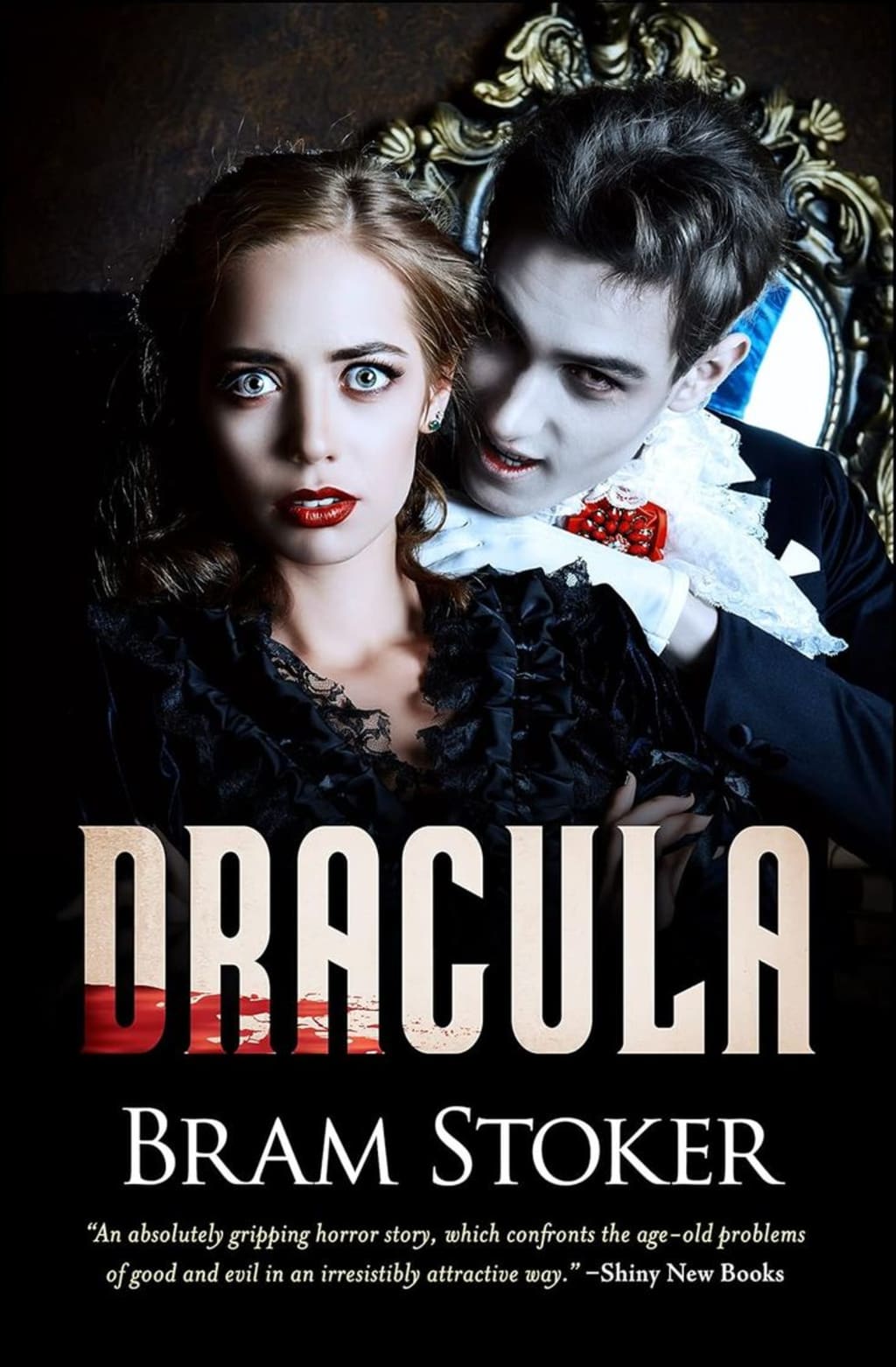
Introduction
Bram Stoker's Dracula, written in 1897, is the most influential vampire novel ever written. Though not the first story about blood-drinking creatures of the night, Stoker’s Gothic masterpiece codified vampire lore, inspired countless adaptations, and turned Count Dracula into a cultural icon.
But Dracula is more than just a horror story—it’s a Victorian-era thriller, a psychological drama, and a symbolic clash between modernity and ancient evil.
In this in-depth look, we investigate:
✔ Bram Stoker’s life and inspirations
A breakdown of the plot and themes of the book How Dracula changed the definition of vampires forever
✔ The book’s legacy in pop culture
The Man Who Created the Monster by Bram Stoker,
Chapter 1 Childhood (1847–1878) Stoker was a sickly child who found solace in folklore and spooky tales when he was born in Dublin, Ireland. Worked as a civil servant and theater critic before becoming the manager of London’s Lyceum Theatre.
How they affected Dracula Vlad the Impaler (Vlad III Dracula) – The ruthless 15th-century Wallachian prince known for brutal executions.
European Vampire Myths – Stoker researched Eastern European folklore, including tales of the strigoi (undead spirits).
Gothic Literature – Inspired by Sheridan Le Fanu’s Carmilla (1872) and John Polidori’s The Vampyre (1819).
Victorian Fears – The novel reflects anxieties about sexuality, disease, and foreign invasion.
Stoker's Demise and Legacy Died in 1912, never knowing Dracula would become a phenomenon.
His original handwritten notes reveal cut subplots, including Dracula crawling on walls like a lizard.
Chapter 2: Dracula – Plot Summary
An early example of epistolary fiction, the novel is told through letters, diary entries, and newspaper clippings.
Part 1: Jonathan Harker’s Ordeal
A young English lawyer travels to Transylvania to help Count Dracula buy property in London.
He quickly realizes that his host is not like any other: Dracula controls wolves, climbs walls, and lacks reflection. Harker discovers he’s a prisoner in Castle Dracula, surrounded by three vampiric "brides."
Part 2: The Vampire Comes to England
Dracula arrives in Whitby aboard a ghost ship, bringing boxes of Transylvanian soil.
He turns Lucy Westenra into a vampire by preying on her. Abraham Van Helsing, a vampire hunter, and Lucy's friend Mina Murray, who is Harker's fiancée, conduct an investigation.
Part 3: The Hunt for Dracula
The heroes fight Lucy's undead form with garlic, crucifixes, and wooden stakes. As part of a sinister "bonding" ritual, Dracula makes Mina drink his blood. The group pursues Dracula back to Transylvania, where Quincey Morris dies killing him.
Chapter 3: Themes & Symbolism
1. Sexuality & Repression
For Victorian readers, Dracula's attacks are highly eroticized. Lucy's transformation into a vampire is a symbol of female sexuality at its most liberated. Mina is "punished" for her intelligence and independence.
2. versus science Superstition
Van Helsing combines folklore (garlic, holy symbols) with modern medicine (blood transfusions). The novel asks: Can rationality defeat primal evil?
3. Aversion to the Outside Dracula is an Eastern European invader, corrupting "pure" English society.
reflects British anxieties regarding disease and immigration (such as syphilis).
4. Immortality & Corruption
The cost of Dracula's eternal existence is that he must eat the living. The vampires are beautiful yet monstrous—a warning against decadence.
Chapter 4: How Dracula Changed Vampire Lore
Vampires were monsters from folklore prior to Dracula. Their traits were standardized in Bram Stoker's novel: Vampire Trait First Major Appearance
No reflection Dracula (1897)
Lack of resistance to sunlight, Nosferatu Shapeshifting (bat, fog) Dracula
Must sleep in native soil Dracula
Charismatic & seductive Dracula
Note that film adaptations spawned some tropes, such as vampires being killed by sunlight.
Chapter 5: Dracula in Pop Culture
Film & TV Adaptations
Nosferatu (1922) is a silent film that was made illegally and was almost wiped out. Dracula (1931) – Bela Lugosi’s iconic performance defined the character.
Bram Stoker’s Dracula (1992) – Gary Oldman’s lavish, erotic take.
Reimagining Castlevania in the style of anime from 2017 to 2021. Modern Reimaginings Books: The Historian (2005), Dracul (2018, a prequel by Stoker’s descendant).
Vampire: The Masquerade and Castlevania "Sympathetic" Vampires: Interview with the Vampire, Twilight (a reaction to Dracula’s monstrosity).
Conclusion: Why We Still Fear Dracula 126 years later, Dracula remains the ultimate vampire story. It taps into timeless fears—of death, desire, and the unknown—while evolving with each generation.
Final Thought:
"Dracula is never truly dead. He just waits for the next storyteller to bring him back to life.
Do you prefer Dracula as a monster or a tragic antihero?
Which adaptation is your favorite?
Let us know in the comments!
About the Creator
Keep reading
More stories from Silas Blackwood and writers in Horror and other communities.
The Psychology of Fear
Introduction One of the most fundamental and universal human emotions is fear. It raises our senses, activates our fight-or-flight response, and gets us ready for danger. Yet, despite its unpleasant nature, many people actively seek out fear-inducing experiences—whether through horror movies, haunted houses, extreme sports, or chilling ghost stories. Why do we enjoy being scared when fear is supposed to be a negative emotion?
By Silas Blackwood9 months ago in Horror
The Politics of Playing Dress-Up
Well, to start off I'd like to say a happy world book day to all who celebrate. I know I haven't really posted anything on my socials about it but I'm not a jubilant kind of person. I lay low most of the time. Let's start off with a popular anecdote from the vaults...
By Annie Kapur4 days ago in Geeks


Comments (1)
Dracula's a classic. Loved how it blended folklore and Victorian fears. The epistolary style made it feel so real.