
Art Horror: The Convergence of the Artisan and the Terrifying
Unraveling the Beauty and Terror of Cinematic Art Horror

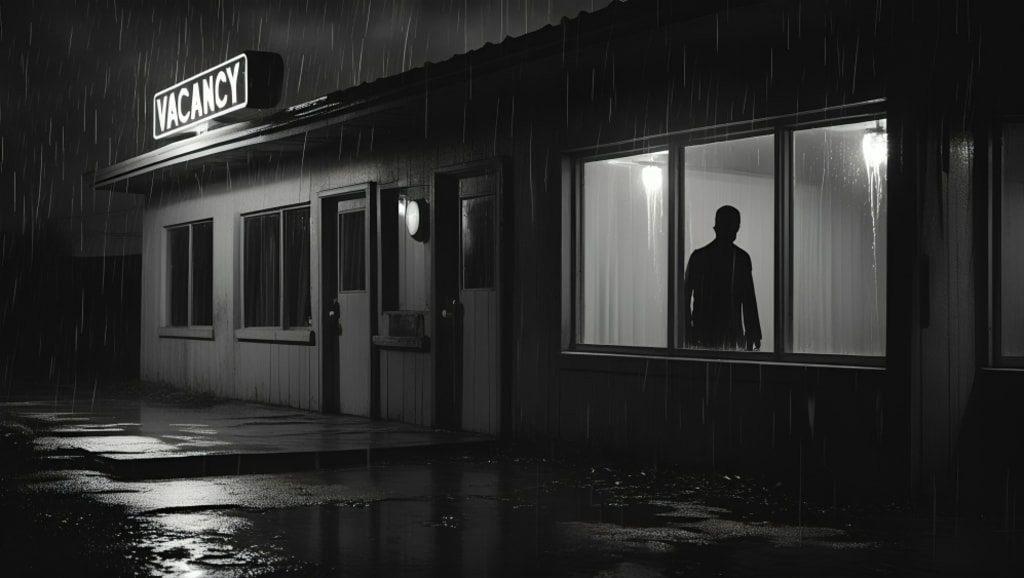
Art horror is a strange category of horror that mixes the beauty of art with the terror of horror. It creates an experience far removed from jump scares and gore, one to ponder on afterwards. These elements are typically combined with stunning visuals and nuanced concepts that tap into the deepest aspects of the human psyche– our fears, our desires, the mysteries of existence, and the unknown. Some of the most celebrated films in this genre include The Cabinet of Dr. Caligari (1920), Psycho (1960) and The Shining (1980). In this article, we will dissect the origins and characteristics of what constitutes art horror, and how it impacts cinema and culture.
The Origins of Art Horror
The origins of art horror can be located in early cinema and literature. Gothic novels like Mary Shelley’s Frankenstein and Bram Stoker’s Dracula established a tradition of fusing beauty and terror. A gothic tale set in the early 20th century, it illustrated how filmmakers at the time were beginning to pay more attention to visual storytelling techniques, emphasizing the types of atmospheric techniques that would lay the groundwork for haunted films going forward.
Another inflection point for art horror is Robert Wiene’s The Cabinet of Dr. Caligari (1920). This German Expressionist film is characterized by its hallucinatory settings, distorted lighting and dreamlike erraticism. The movie chronicles a doctor with a mysterious psychosis who uses a sleepwalker to commit crimes. Its distinctive visual style was a reflection of the psychological chaos of Germany after World War I, and laid the groundwork for future horror films that married art with fear.
Essential Features of Art Horror
COUNTER PART: Art horror films often have striking visuals that are designed to feel unsettled. This might entail unexpected camera angles, surreal imagery and striking use of color or black-and-white contrasts.
Psychological Explorations: Instead of confronting external horrors like many traditional horror films, art horror explores characters' internal demons. Madness, identity, existential dread are familiar themes.
Ambiguity as Interpretation: Art horror can be vague. Rather than giving clear answers, these films encourage audiences to question reality and face their fears.
Slow Pacing: Mainstream horror movies might follow the convention of a fast pace but art horror chooses to work slowly. This slower progression makes for an experience that is — ironically — more immersive and disturbing.
Symbolism and Symbol: Several art horror movies are filled with symbolism that can imply something deeper. Even objects, places and characters can stand for broader themes, like guilt, repression or the duality of human nature.
Iconic Art Horror Films
The Cabinet of Dr. Caligari – This German Expressionism film is a visual masterpiece of horror. It uses distorted sets and shadows to create a graphic representation of the twisted minds of the characters. The nightmarish visuals have inspired many subsequent horror and psychological films. 1960.
Psycho – Considered one of the best horror films of all time, Psycho is a film that revolutionized the whole genre. Directed by Alfred Hitchcock, the movie follows Norman Bates, a seemingly normal motel owner with a secret. Hitchcock is known for his use of the black-and-white cinematography, as well as the iconic shower scene. Themes of the film include psychoanalysis of criminal spirit, repression of desires, and human identity.
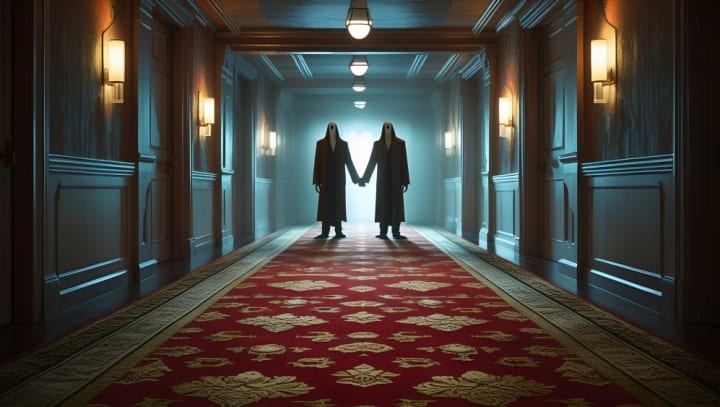
The Shining – Adapted to the screen by Stanley Kubrick from a novel by Stephen King, The Shining is a pinnacle of art-horror. The narrative follows Jack Torrence who becomes the winter watchman of a secluded Overlook Hotel. However, as Jack’s sanity begins to decline, so does the safety of his family. Kubrick managed to create the unsettling vision of the film based on exceptional attention to detail, otherworldly visuals, and a disturbing soundtrack. Solaris includes cinematic scares and fear of the unknown from the other world; it carries them, and the camera makes us see them. The masterpiece depicts the nature of fear and isolation, fury, and madness, but the embedded codes remain unexplored and cannot be deciphered.
Impact of Art Horror on the Genre and Cinema
Art horror films had an immense impact on both the horror genre and cinema in general. From a visual perspective, many art horror classics contribute to modern days. Moreover, the genre popularizes intellectual horror about ideas and feelings. Modern directors, such as Ari Aster or Robert Eggers, create the art horror visual genre, highlighting it with brilliant cinematography, aesthetically pleasing, and psychologically or supernaturally terrifying.
The Future of Art Horror
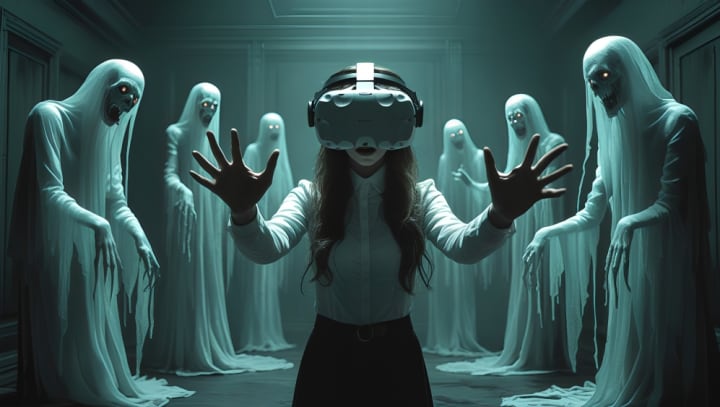
Art horror is promising as filmmakers keep pushing the boundaries. A whole new world of wonderful storytelling awaits as technology advances further and lets you create even flashier stories! Maybe there’s no difference any longer between art and horror in the realm of virtual reality, immersive experiences.
The growth of independent cinema also allows for niche and innovative voices to be heard. New viewpoints are also appealing to emerging filmmakers and challenging traditional horror tropes. That creative freedom will keep art horror evolving and entertaining moviegoers for years to come.
Conclusion
Art horror is a genre all its own, an intersection between a vision and an edge of the uncanny. From the skewed landscapes of The Cabinet of Dr. Caligari to the psychological registers of Psycho and the terrorized hallways of The Shining, these works have stayed on them. The hero of the genre takes what has been learned into account; it is aesthetic beauty, psychological complexity, and thematic depth that sets the genre apart from traditional horror. If there are deaths to be unfit for the horror genre to continue its evolution, it is still a powerful medium to delve into the darker aspects of the human experience. Art horror is an art form I am compelled to write about as a fan of the genre — the good, the bad, the ugly — there is no denying its appeal.
About the Creator
EliteCreation
Elite Creation – Where creativity meets innovation! Discover unique ideas, inspiring stories, and captivating content crafted to spark your imagination. Follow us for a daily dose of creativity and explore the extraordinary!
Keep reading
More stories from EliteCreation and writers in Horror and other communities.
The Evil Presence: Surviving a Night in the Haunted Forest
When the sun goes down, certain locations take on a life of horrific secrets. This is the frightful story about individuals who felt it was necessary to explore Blackwood Forest—and the malevolent presence that resides there.
By EliteCreation10 months ago in Horror
Jack the Ripper: The Silence That Never Left...
London, 1888... At night, the city did not sleep; it thinned. Gas lamps cast weak halos that failed to reach the corners of the streets. Sound behaved strangely in Whitechapel. Footsteps overlapped. Voices blurred. A single cry could vanish into brick and fog before it fully formed. Thousands of people moved through the same narrow corridors each evening, close enough to brush past one another, distant enough to remain unknown.
By Veil of Shadowsa day ago in Horror


Comments
There are no comments for this story
Be the first to respond and start the conversation.