
Agrasen Ki Baoli: Echoes of the Past, Haunts of the Present
Between Ancient Stones and Eerie Echoes—Unraveling the Mysteries of Delhi’s Haunted Stepwell

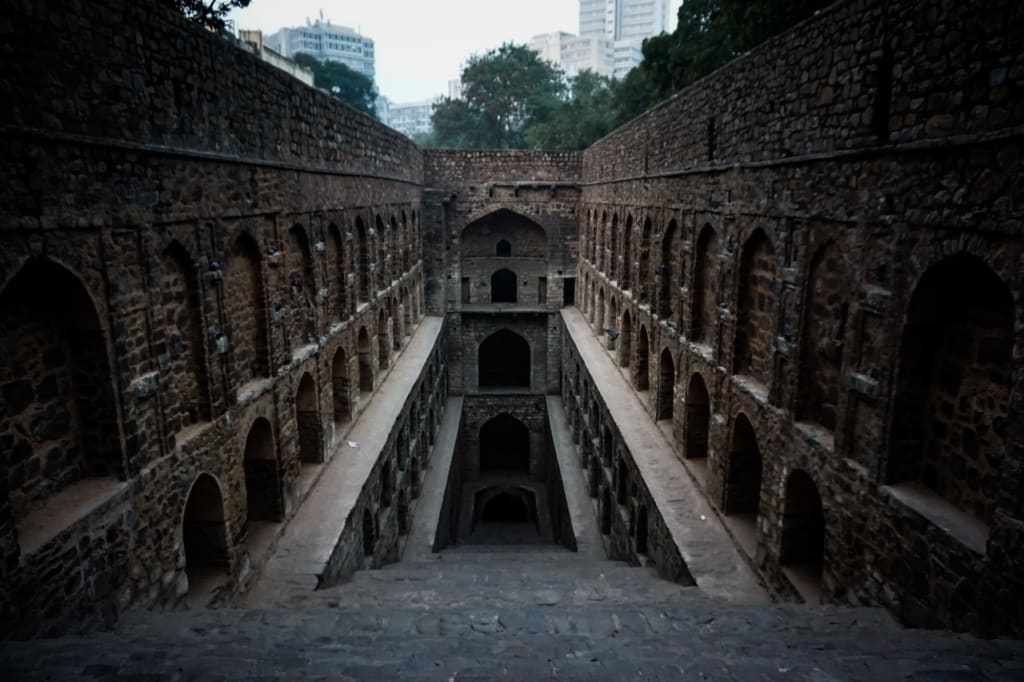
Located in the heart of New Delhi is Agrasen Ki Baoli, a 14th-century stepwell that is half a marvel of history and half an enigma. Weary stone stairs, ancient corridors, and foreboding silences have made it a historian's paradise, an adventure-seeker's paradise, and a muse for Bollywood directors. But behind the facade of architectural beauty lies a cloak of legends—half truth, half myth—which make it India's most haunted places.
A Mystery About Its Past
History of Agrasen Ki Baoli is as mysterious as its surroundings. Though it bears the name of the mythical king Maharaja Agrasen, a Mahabharata-era king (around 5000–6000 years back), historians believe its construction would have been done in the medieval period. The architecture of the stepwell—red sandstone, symmetrical arches, and three levels underground—dates back to the era of Tughlaq or Lodi dynasty (14th century).
The Agrawal clan, a lineage from Agrasen, is supposed to have restructured the baoli in these times as a reservoir of water and social spot. Its 103–108 stairs (they vary) reach down 60 meters into the ground, a testament to man-made engineering to ensure access to water during years of drought. Through the centuries, modern times made it unusable, and now its empty basin is an eerie reminder of the past in Delhi.
Ghostly Legends: Fact or Fiction?
The ghostly reputation of the baoli is due to spine-tingling stories passed down the generations:
The Hypnotic Black Water
Myths say that the stepwell used to hold ominous, stagnant water that "welcomed" people to end their lives. There are stories of a strange power that forced people to drown, the water somehow rising after each tragedy. There is no record to verify the tragedies, though in 2007, a suicide—at the time the baoli had dried up—kept the myth going.
Echoes and Apparitions
In addition to the soundproofing, visitors have heard disembodied whispers, footsteps, and echoes down deserted corridors. Acoustics in the baolis, designed to channel sound level by level, create the illusion of being stalked. Others describe a heavy, "suffocating" atmosphere, accompanied by pigeon guano and bat infestation, in their dark depths.
The Guard's Tale
Myths are conceived out of tales of guards and locals. There is a tale that a guard, Bagh Singh, came riding into the baoli as a child in a 1976 photograph—something of time and space blending.
Critics attribute such stories as a result of the atmosphere of this place and pop culture frenzy. Bollywood movie appearances at the baoli, such as in PK (2014) and Sultan (2016), made its otherworldly reputation stronger, and it became the go-to spot among fans in the absence of solid evidence of paranormal activity.
Architectural Masterpiece Meets Modern-Day Neglect
Aside from the ghost tales, the baoli is evidence of medieval engineering. Its stepped structure set the possibility of groundwater, and arched niches provided it with shade and spaces for gathering. The accuracy and durability of the building, which was constructed without the application of modern technology, remain mind-boggling.
Now, the monument is looked after by the Archaeological Survey of India (ASI), but the tourists notice that it contains pigeon droppings and a small amount of trash. Nonetheless, it is a photographer-friendly paradise in the haggling mayhem of Delhi that welcomes photographers, couples, and risk-taking tourists.
Conclusion: A Portal to the Past
Agrasen Ki Baoli straddles the line between history and myth. Its haunted tales, though unproven, reflect humanity’s fascination with the unknown. Whether you’re drawn by its architectural splendor, its role in Bollywood, or the thrill of its ghostly whispers, the baoli offers a hauntingly beautiful glimpse into India’s layered past. As one visitor quipped, the only “alien” here might be Amir Khan’s PK character—but the echoes of centuries-old secrets remain.
Visit Hours: 9 AM to 5 PM daily; free. Nearest metro rail station: Barakhamba Road. Depart before sunset—the bats and the legends are there at night.
About the Creator
Kyrol Mojikal
"Believe in the magic within you, for you are extraordinary."
Keep reading
More stories from Kyrol Mojikal and writers in Horror and other communities.
Ballygally Castle: Where Ghosts of the Past Haunt Northern Ireland’s Rugged Coast
Ballygally Castle: A Ghostly Beautiful Gem of County Antrim Overlooking County Antrim's dramatic coastline, Ballygally Castle is a ghostly beautiful reminder of the depth of Northern Ireland's heritage. Charming and inviting as a hotel in the 17th-century castle invites visitors to enter and experience the weight of its history—and maybe even catch a glimpse of its ghostly inhabitants. One of the region's most haunted sites, the stone walls of Ballygally whisper tales of sorrow, rebellion, and evil spirits.
By Kyrol Mojikal10 months ago in Horror



Comments
There are no comments for this story
Be the first to respond and start the conversation.