
A Fearless Triumph of Punk-Horror Imagination
Mars Roberge’s RUFUS Delivers “Really Unusual F-ed Up Sh-t” With Heart, Humor, and Vision

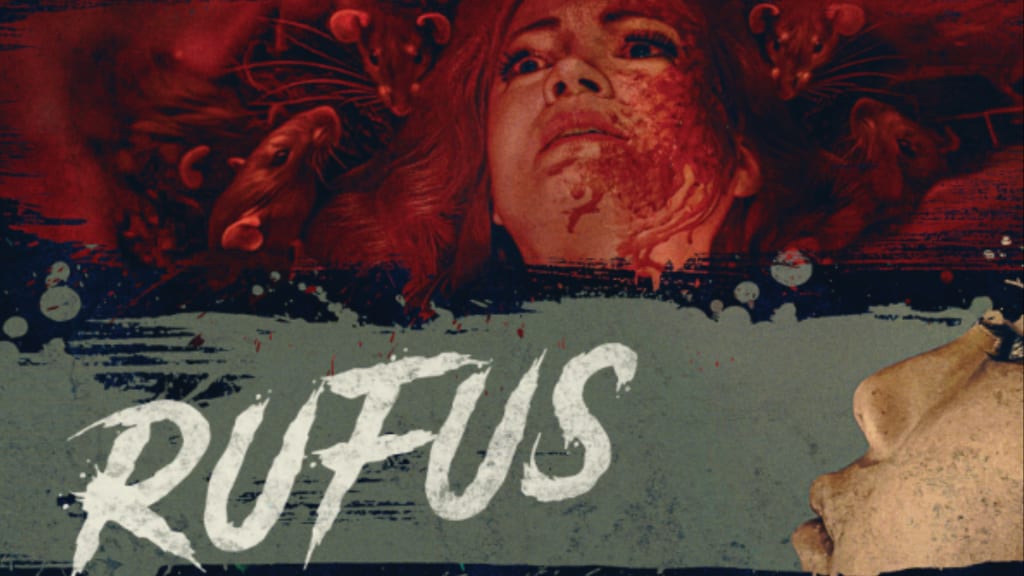
With Rufus, writer-director Mars Roberge doesn’t just enter the horror genre—he detonates it from the inside out. Premiering at six film festivals and already boasting wins for Best Horror Film (L.A. IFS Film Festival, L.A. Punk Film Festival) and Best Supernatural Feature (New York Science Fiction and Horror Film Festival), Rufus arrives this week as one of the most daring, gleefully anarchic horror films of the year. It’s wildly imaginative, proudly weird, and unmistakably Roberge: a filmmaker who has always “embraced the bizarre” and refuses to play by anyone’s rules but his own.
At the center of this five-story anthology stands its enigmatic storyteller, Rufus—played by legendary former drug kingpin turned motivational speaker Freeway Rick Ross. Ross, who Roberge says brings a level of authenticity “more authentic than any actor could portray,” anchors the film in a gritty kind of realism that only heightens the surreal madness swirling around him. The image alone—Ross telling supernatural tales to kids on a rainy South Central street corner—is enough to signal that Rufus is playing in a different creative universe. Roberge, who believes in “giving people second chances,” clearly found a spiritual collaborator in Ross: “Both Rick and me were at major turning points in our lives when we met with unlimited goals for a positive new change.”
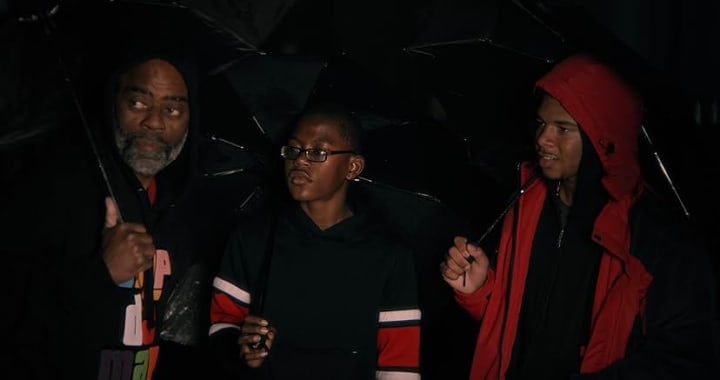
The result is an anthology that blends street folklore with punk-rock theater, philosophical dread, camp, and an explosion of visual boldness. Roberge grew up steeped in punk culture—“I have always had my sarcasm and switchblade to dissect society,” he says—and that ferocity pulses through every frame. Yet underneath the cheeky anarchy lies real depth. Drawing on his studies of American Gothic literature and Edgar Allan Poe, he constructed what he calls a “Gothic Psychomachy,” guiding each story with dark psychological undercurrents and a lingering unease the viewer “can’t quickly come out of.”
Remarkably, the film’s strangest ideas originated in an equally strange creative process. After attending the Lund Fantastic Film Festival, Roberge began purposely inducing nightmares by freezing himself at night. “I woke up in terror one night thinking I saw a rat running into a radiator,” he recalls—an experience that became a short story and ultimately found its way into Rufus. Though only one of the anthology’s tales, “Climbing Vegetables,” emerged directly from these self-induced nightmares, the sense of unhinged dream logic permeates the entire film.
The anthology’s stories—ranging from body horror and music-industry rot to adoption, war trauma, and medical grotesquerie—are kinetic, unpredictable, and laced with biting social commentary. Comparisons to The Twilight Zone, Creepshow, and Phantom of the Paradise feel earned. But what makes Rufus special is Roberge’s ability to make horror “deeply disturbing and joyfully anarchic” at the same time. His secret? Remembering how to see the world the way he did as a child. “The message to me with my comics as a kid was ‘stay weird,’” he says, and Rufus embodies that ethos completely.
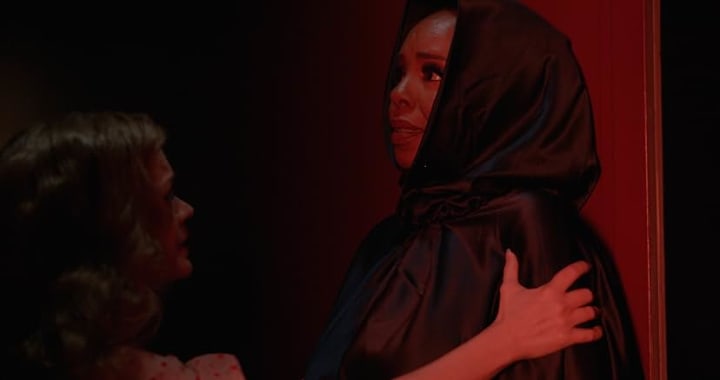
Roberge’s ensemble cast—an eclectic mix of musical legends, underground icons, and cult-film veterans—deepens the film’s singular energy. Angelo Moore of Fishbone, who stepped into his role at the eleventh hour, not only delivers one of the film’s standout performances but also composed the score, joined by original music from Current 93’s Michael Cashmore. Spookey Ruben’s Dr. Saul, a character Roberge describes as “as quirky as anyone found in Pee-wee’s Playhouse or The Rocky Horror Picture Show,” adds a delirious charm that further blurs the line between horror and absurdist theater.

If the early reviews are any indication—praise from Film Threat, Morbidly Beautiful, and OriginalRock.net—Rufus is destined for cult-classic status. It is fearless, imaginative, and infectiously rebellious. In Roberge’s own words, the film’s five tales share a single message: “Get a grip—both mentally and physically.” And his hope for viewers? “I hope it fucks their heads for life. That’s the point of horror, isn’t it?”
Rufus releases November 25 on all major streaming platforms.
About the Creator
Keep reading
More stories from Ben Nelson and writers in Horror and other communities.
Rust and Retribution: Trucker Drives Straight Into the Heart of Revenge Horror
The new revenge thriller Trucker barrels onto streaming platforms with the rumbling engine of classic exploitation cinema and the emotional weight of a tragedy-driven character study. Directed by Errol Sack and written by Steven Shaffer, this gritty genre throwback delivers exactly what fans of old-school horror crave: relentless tension, brutal action, and a dark moral dilemma at its core. With its 1980s setting, practical effects, and stripped-down storytelling, the film feels like a lost VHS-era cult movie that has finally resurfaced for a new generation.
By Ben Nelson7 days ago in Horror



Comments (1)
I have to watch this now...just for the cast!