
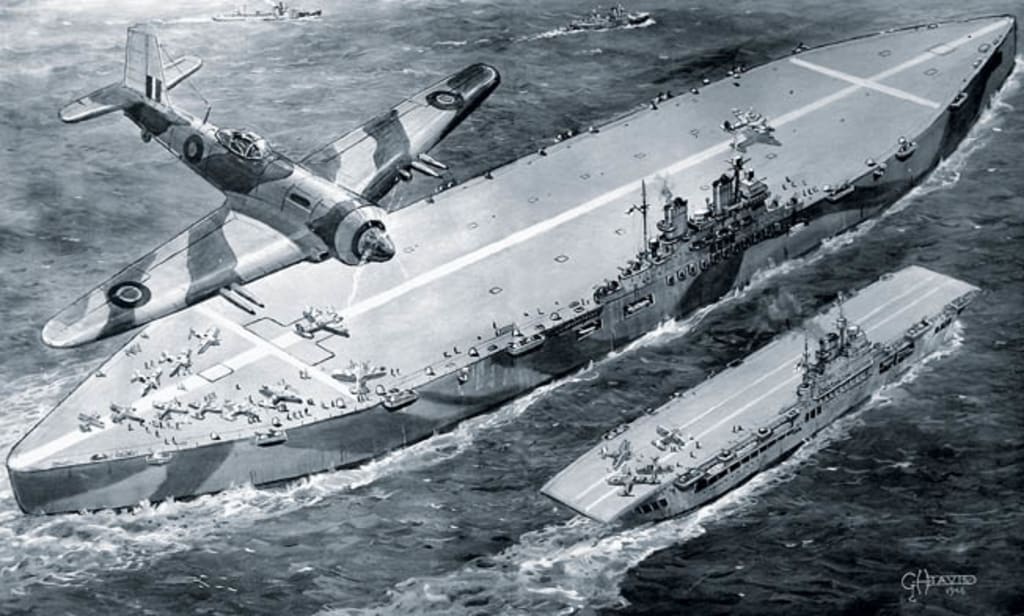
World War II was full of amazing military achievements and new technologies. But one project really shows how creative humans can be: Project Habakkuk. This bold plan was to build a huge aircraft carrier out of ice. It was a daring idea, thanks to Geoffrey Pyke, an inventor who wanted to create a frozen ship for the war effort.
The idea was to use a new material called pykrete. It was a mix of wood pulp and ice. This stuff was super strong and kept things cold, making an ice aircraft carrier possible. The team thought this ship could be a safe, moving base for the Allies, hard to hit and very useful in the war.
Even though it sounded like science fiction, the Allies took Project Habakkuk seriously. They saw the big benefits it could bring to the war. So, they planned and researched a lot, bringing together experts in engineering, materials science, and military strategy.
https://warfarehistorynetwork.com/article/project-habakkuk/
Key Takeaways
Project Habakkuk was a WWII plan to construct an aircraft carrier made of ice and wood pulp composite called pykrete.
The project was conceived by the maverick inventor Geoffrey Pyke, who envisioned the frozen ship as a strategic asset for the Allies.
Pykrete, the innovative material at the heart of Habakkuk, possessed remarkable durability and insulation properties that made the ice carrier concept feasible.
The Allied military carefully evaluated the project’s strategic considerations and operational feasibility, recognizing its potential advantages in unconventional warfare.
Project Habakkuk’s legacy continues to inspire discussions and speculations about the role of innovation and unconventional thinking in military strategy and engineering.
The Audacious Concept of an Ice-Based Aircraft Carrier
In the midst of World War II, a bold idea was born. It was about making an aircraft carrier out of ice. This plan, called Project Habakkuk, came from Geoffrey Pyke. He wanted to change the war’s course with a new kind of warfare strategy.
Introducing Project Habakkuk: The Unconventional Warfare Strategy
Project Habakkuk aimed to build a floating aircraft carrier from ice. It was meant to survive the Atlantic Ocean’s tough conditions. Geoffrey Pyke, a British inventor, saw its potential to shake up the war. He believed it could challenge the Axis powers’ naval control.
This idea was about creating a secret, mobile base. It would be hard to spot and could give a big advantage in the war. Project Habakkuk aimed to use ice’s unique traits. It wanted to make a ship that could hold and launch planes, unlike traditional steel ones.
The Visionary Mind Behind the Frozen Ship Design
Geoffrey Pyke was the genius behind Project Habakkuk. He was known for his creative problem-solving. His work on the ice carrier was initially doubted but showed his knack for thinking outside the box.
Pyke’s plan was more than just a dream. It was a detailed strategy to use ice’s benefits in the sea. His work on Project Habakkuk showed the innovative spirit of World War II. It was a time when new ideas were key to beating the enemy.
Geoffrey Pyke: The Maverick Inventor and His Radical Idea
Geoffrey Pyke was a key figure in the plan for an ice-based aircraft carrier during World War II. He was a journalist, writer, and intelligence officer with a unique perspective. This background helped him come up with a bold idea that changed how people thought about war.
Pyke was known for his creative problem-solving skills. He had fought in the First World War, reported on conflicts, and even worked in espionage. These varied experiences let him think differently and suggest new solutions.
“The most revolutionary ideas are not blocked by the ignorant, but by those who have learned the same conclusions that we have learned and who have a vested interest in those conclusions.”
Pyke was deeply interested in ice engineering. He looked into how ice could be used in the military. He discovered that a mix of wood pulp and ice, called pykrete, could make a strong ice-based aircraft carrier.
Pyke’s idea for Project Habakkuk showed his innovative thinking. It was a bold move that changed the way people thought about military strategy and engineering during world war ii.
https://youtube.com/watch?v=0-dSAMIPqyo
Many doubted Pyke’s vision for Project Habakkuk, but he didn’t give up. His hard work and ability to get past bureaucratic hurdles got the project noticed by leaders. Even though it was stopped, Geoffrey pyke’s work in ice engineering for the military is still honored today.
Pykrete: The Innovative Material at the Heart of Habakkuk
Project Habakkuk aimed to build an ice aircraft carrier during World War II. At its center was pykrete, a ground breaking material. British scientist Geoffrey Pyke created it by mixing wood pulp and ice. This blend made a strong and durable substance.
Composition and Properties of Pykrete
Pykrete was made of 14% wood pulp and 86% ice. This mix gave it great strength and made it less likely to melt. The wood fibers also helped prevent cracks and kept it warm, perfect for the project’s needs.
Potential Benefits and Drawbacks of Using Ice
Potential Benefits:
Abundant and renewable resource
Low-cost construction materials
Inherent buoyancy and stability
Unique insulating properties
Potential Drawbacks:
Susceptibility to melting and structural degradation
Challenges in maintaining structural integrity at large scales
Logistical complexities in construction and deployment
Using ice for a huge warship like Project Habakkuk had both good and bad points. Ice was cheap, floated well, and kept things warm. But, it was fragile and easily damaged by the weather. These issues were big problems for the project’s team.
The idea of using pykrete and building an ice aircraft carrier showed the creative thinking and engineering skill of World War II. It was a bold plan that pushed the limits of what was possible.
Allied Military’s Evaluation of the Frozen Aircraft Carrier Concept
The idea of building a World War II aircraft carrier from ice, known as Project Habakkuk, caught the attention of the Allied forces. They looked into its strategic benefits and how it could work in real operations. This plan was both exciting and full of challenges that needed deep thought.
Strategic Considerations
Leaders saw big benefits in an ice-based aircraft carrier. It could be a strong, mobile base in places where normal ships couldn’t go. Building it in remote spots could help the Allies in new ways during the war.
But, making a ship this big from ice was a huge task. It needed to be made from pykrete, a mix of ice and wood pulp. This raised big questions about engineering and how it could be done.
Operational Feasibility
The Allies looked at the tough parts of using an ice carrier, like:
Keeping it strong in different weather
Creating systems to control temperature and keep it warm
Adding the right airfield and support systems
Dealing with how ice affects planes
They also thought about how to move and place such a huge ship in enemy waters.
The Allies weighed the good points and the hard parts of Project Habakkuk. This helped decide what to do with this bold idea. They looked at how it could help and the big challenges it faced.
“Project Habakkuk: The World War II Aircraft Carrier Made of Ice”
During World War II, the Allies looked into a bold plan — making an ice-based aircraft carrier. This plan, called Project Habakkuk, showed the creative thinking during the war.
Geoffrey Pyke, an inventive thinker, came up with this idea. He wanted to build a huge, floating platform from Pykrete. This material was a mix of wood pulp and ice. The goal was to make a carrier that could handle the rough seas.
Project Habakkuk had many benefits. It could be a strong and moving base for air attacks, giving the Allies an edge. But, it faced huge technical and logistical hurdles. These challenges needed new ways to deal with the tough conditions.
The Allies looked closely at Project Habakkuk. They considered its strategic value and how it could work in real battles. This project showed new ways to fight in World War II with ice engineering.
Project Habakkuk still interests historians and the public today. It shows how creative and strong the human spirit can be against big challenges. The project’s impact on using ice engineering in the military and beyond is still felt today.
Engineering Challenges and Proposed Solutions
Project Habakkuk aimed to build an aircraft carrier from ice during World War II. This plan faced many engineering challenges. The project needed to make a huge ice structure that could hold aircraft, crews, and gear. This was a big task that required new ideas to solve.
Constructing a Massive Frozen Structure
Building a huge ice platform was the main challenge. It had to support a lot of weight. The project hit several technical roadblocks, including:
Ensuring the ice’s structural stability and load-bearing capacity
Developing efficient ice-making and construction techniques
Determining the optimal dimensions and shape of the ice carrier
Researchers looked into using “Pykrete,” a mix of ice and wood pulp. This material was stronger and more durable than regular ice.
Insulation and Temperature Control Mechanisms
Keeping the ice carrier at the right temperature was crucial to stop it from melting. Engineers came up with some creative ideas, such as:
Using multi-layered insulation to reduce heat loss
Creating cooling systems to keep the carrier’s temperature steady
Looking into reflective coatings to lessen the sun’s heat
These solutions aimed to keep the ice carrier stable and usable in wartime conditions. They helped it last longer and stay effective.
Engineering Challenge Proposed Solution Constructing a massive frozen structure
Ensuring ice’s structural stability and load-bearing capacity
Developing efficient ice-making and construction techniques
Determining optimal dimensions and shape of the ice carrier
Insulation and temperature control
Implementing multi-layered insulation systems
Designing cooling systems to regulate internal temperature
Exploring reflective coatings to reduce solar radiation absorption
The team faced huge engineering challenges with Project Habakkuk. But their creative solutions showed the amazing skill and will behind this project Habakkuk: the world war ii aircraft carrier made of ice.
Unconventional Warfare and Innovation During World War II
Project Habakkuk, an ice-based aircraft carrier, shows how the Allies pushed for new ideas during World War II. They faced big challenges but kept finding new ways to win. This shows their amazing ability for world war ii innovation.
The Allies used new tech like radar and special commando units. Project Habakkuk was a bold idea for a floating platform made of ice. It showed the allied military projects spirit to think differently.
Exploiting Technological Breakthroughs: The war led to big advances in science and engineering. This opened new doors for world war ii innovation.
Embracing Unconventional Tactics: The Allies used secret missions and sabotage. This helped them beat the enemy and get ahead.
Fostering a Culture of Creativity: Leaders encouraged their teams to be creative. They valued allied military projects that brought new ideas and big changes.
Project Habakkuk shows how the Allies were creative and resourceful during World War II. It highlights their strong commitment to world war ii innovation and unconventional warfare against tough odds.
Key Innovations Strategic Significance Impact on Warfare Radar technology Improved early warnings and detection Changed air forc and anti-aircraft tactics Specialized commando units Allowed secret missions and sabotage behind enemy lines Harmed enemy supplies and morale Project Habakkuk’s ice-based aircraft carrier Introduced a new way to project naval power Shaped unconventional warfare and world war ii innovation
The story of Project Habakkuk and other allied military projects during World War II still inspires today. It helps shape modern military strategies and tech.
The Legacy of Project Habakkuk and Ice Engineering
Project Habakkuk aimed to build an aircraft carrier from ice during World War II. Though it didn’t succeed, its impact on ice engineering and military innovation remains strong. The project taught us a lot about using ice in both military and civilian projects.
Influence on Future Military and Civilian Applications
The work on Project Habakkuk has shaped the design of ice-based structures. These include military bases and civilian buildings. The use of pykrete, a mix of ice and wood pulp, has led to more ice engineering projects in harsh climates.
Project Habakkuk’s findings helped create temporary military bases and shelters from ice. These structures are strong and keep the cold out. Now, ice is also being considered for building large, floating structures. This could be for offshore platforms, breakwaters, or even floating cities.
The legacy of project habakkuk: the world war ii aircraft carrier made of ice keeps inspiring new ideas. It shows the power of ice engineering and world war ii innovation.
“The legacy of Project Habakkuk lies in its ability to push the boundaries of what is possible, inspiring a new generation of engineers and innovators to explore the untapped potential of ice-based technologies.”
As we face climate change and need for sustainable infrastructure, Project Habakkuk’s lessons are more important than ever. They guide us in ice engineering and using new materials for military and civilian use.
Project Habakkuk in Popular Culture and Collective Memory
Project Habakkuk, a plan to make an aircraft carrier from ice during World War II, has caught the public’s eye. It’s a lasting part of our shared memory. Even though it didn’t become a real ship, its unique design and the big engineering hurdles it faced still excite and motivate many.
The tale of “Project Habakkuk: The World War II Aircraft Carrier Made of Ice” has been told in many forms. It’s been in documentaries, history books, and even in stories that aren’t true. These stories have made sure the project stays in our minds. They highlight how people can come up with creative solutions and push the limits in tough times.
Project Habakkuk’s impact goes way beyond World War II. It has changed how we think about engineering, technology, and new materials. Using ice and pykrete has led to new ideas in building things that last longer, keeping things cool, and even freezing things for later. The project’s spirit of innovation still stirs up excitement and motivation worldwide.
FAQ
What was Project Habakkuk?
Project Habakkuk was a bold plan during World War II. It aimed to build a huge aircraft carrier from ice, called “pykrete.” Geoffrey Pyke, a British inventor, thought an ice carrier could give the Allies an edge.
Who was Geoffrey Pyke, the inventor behind Project Habakkuk?
Geoffrey Pyke was an inventive and strategic thinker. He came up with the idea of an ice aircraft carrier. His unique approach to solving problems led to Project Habakkuk.
What was the composition and properties of pykrete, the material used in Project Habakkuk?
Pykrete was a new material made of ice and wood pulp. It was stronger and more durable than regular ice. These qualities made pykrete a promising choice for the frozen aircraft carrier.
How did the Allied military evaluate the feasibility of the frozen aircraft carrier concept?
The Allies looked closely at the frozen aircraft carrier idea. They considered the construction challenges, logistics, and how it could help in the war.
What were some of the key engineering challenges associated with Project Habakkuk?
Building a huge ice structure was a big task. The team faced issues like making a stable ice platform and keeping it at the right temperature.
How does Project Habakkuk fit into the broader context of unconventional warfare and innovation during World War II?
https://youtu.be/0-dSAMIPqyo
Project Habakkuk was part of the war’s innovative efforts. The Allies were always looking for new ways to win. This project showed their willingness to try different strategies and technologies.
What is the legacy of Project Habakkuk and its influence on ice engineering?
Project Habakkuk has left a mark on ice engineering. Its ideas have helped shape military and civilian projects. It has expanded our understanding of ice’s potential uses.
How has Project Habakkuk been represented in popular culture and collective memory?
Project Habakkuk has made its mark in popular culture and history. Its bold idea and the genius behind it have inspired many. It’s seen as a symbol of human creativity and problem-solving.
About the Creator
Reader insights
Nice work
Very well written. Keep up the good work!
Top insights
Masterful proofreading
Zero grammar & spelling mistakes
On-point and relevant
Writing reflected the title & theme
Keep reading
More stories from Ziyandi Agness ngcwadi and writers in History and other communities.
8 ways to make your day more meaningful
1. Establish a morning ritual You’re more likely to get more from your day if you start it off properly. Waking up early each day will give you time to set up a sense of order and calm before you get thrown into the same old busyness of your waking day.
By Ziyandi Agness ngcwadi2 years ago in Motivation
The Lost Treasure of Ashoka: Myth, History, and Mystery
Ashoka’s Immense Wealth and Power At the height of Ashoka’s reign, the Mauryan Empire was the largest political entity ever seen in the Indian subcontinent. It stretched from present-day Afghanistan to Bengal, and from the Himalayas to central India. Such an empire required enormous financial resources.
By Say the truth 4 days ago in History




Comments (2)
Long but worth it , interesting to read
Oh, brilliant.