
Why the British Drive on the Left (and the Rest of Us Don’t)
Or: How Traffic Became a Global Identity Crisis
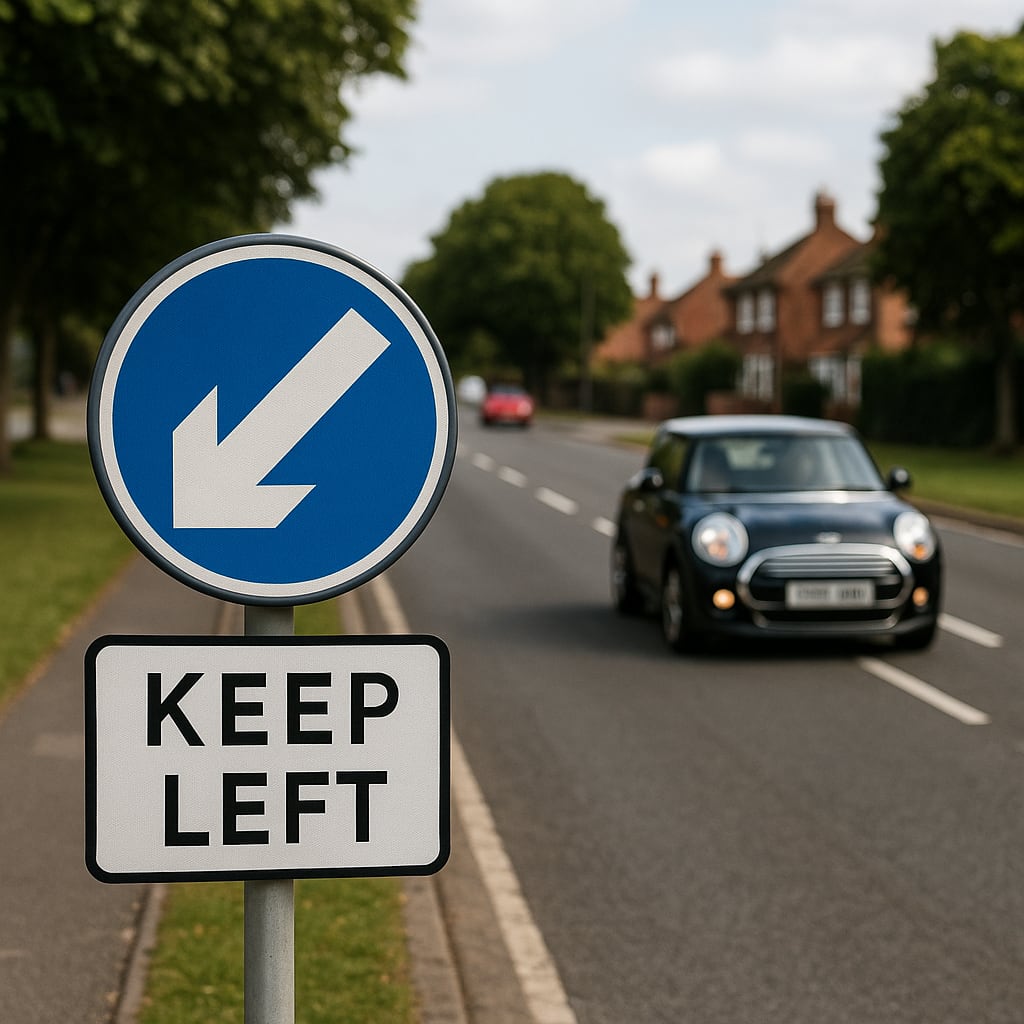
There’s something wonderfully British about driving on the left side of the road. It's polite, proper, and just the right amount of stubborn. Meanwhile, the rest of the world seems to have collectively veered to the right—literally. But why is this the case? Did the British just wake up one morning and decide to do the opposite? Did everyone else agree to spite them? Let’s take a delightfully winding road through history and find out.
Back to the Horse-and-Sword Days
Long before cars, lane markings, and angry honking, people were riding horses and swinging swords. In medieval times, most folks were right-handed (as many still are), and this played a surprisingly huge role in road orientation. When passing a stranger on a narrow path, it made sense to keep to the left—that way, your sword hand was between you and any potentially hostile traveler. It was the original “stay ready so you don’t have to get ready.”
So, in a world full of knights and highway robbers, left-side travel was all about self-defense and sword etiquette. Plus, mounting a horse was easier from the left side too—because your sword was typically worn on the left, and trying to swing it over the horse from the other side would have ended with a pulled hamstring and possibly a very confused horse.
Enter Napoleon: Chaos Ensues
Everything was going smoothly (on the left), until Napoleon came along and, in classic short-guy energy fashion, decided to shake things up. He had his armies march on the right side of the road as a power move and a symbol of revolution against the old world order (a.k.a. British influence). France and many of its conquered territories adopted this new right-hand style. Suddenly, driving direction was political.
This is where the great divide began: Britain and its empire stuck to the left, while Napoleon and his pals went right. As you might imagine, the colonies took notes.
America Jumps In, Because of Course It Does
The U.S., eager to distance itself from British rule in every possible way—including how it made tea—decided to go right. Combine this with the rise of massive wagons pulled by teams of horses, which often had no driver’s seat, and drivers had to sit on the rear left horse to whip with their right hand. Staying to the right side of the road offered a better view of oncoming traffic. Practicality won.
So while the British were busy polishing monocles and perfecting roundabouts, Americans were blazing trails on the right, fueled by independence and a mild distrust of anything remotely European.
The Empire Drives On
As the British Empire expanded, so too did left-side driving. India, Australia, parts of Africa, and several Caribbean islands adopted the British way. To this day, about 35% of the world still drives on the left, most of them former British colonies or Japan (which, like your coolest friend, just does its own thing).
Fun fact: Japan’s left-side driving wasn’t even influenced by Britain—it came from samurai culture and later from British engineering in railway systems. So technically, they came to the left lane party with their own snacks.
Switching Sides Isn’t So Easy
Changing from one side to the other is no small task. It requires flipping road signs, reconfiguring intersections, adjusting vehicles, and, most terrifying of all, retraining millions of people who think they’re excellent drivers. Sweden famously switched from left to right in 1967, and for one glorious day, absolutely everyone drove extra carefully out of pure confusion.
Conclusion: The World’s Most Polite Disagreement
So, why do the British drive on the left while most others go right? History, habit, and a dash of revolution. Whether it’s medieval sword fights, Napoleonic defiance, or colonial echoes, this curious global quirk is a perfect example of how tradition and practicality can steer in very different directions.
But hey, whether you’re hugging the left curb in London or zooming down the right lane in L.A., just remember: it’s not about which side you drive on—it’s about not hitting things. Cheers to that!
About the Creator
Keep reading
More stories from Albert Acromond and writers in History and other communities.
When the CIA Tried to Spy With Cats
If you thought spy thrillers couldn't get weirder than exploding pens and martinis with tracking devices, allow us to introduce you to one of the CIA’s most bizarre Cold War brainwaves: Acoustic Kitty—an actual attempt to turn a house cat into a covert agent. Yes, this was a real plan. And yes, it went exactly how you’d expect a mission involving a cat to go: badly.
By Albert Acromond9 months ago in History
Israel: A Land of Struggle, Faith, and Transformation
The land that is today Israel has been at the crossroads of civilizations for thousands of years. From the deserts of Negev to the fertile hills of Galilee, this land has witnessed the rise and fall of empires, the birth of religions, and the enduring hopes of peoples who called it home. In ancient times, it was known as Canaan, a region inhabited by diverse groups, each with their own gods, languages, and customs.
By The best writer about 5 hours ago in History
Why Early Aircraft Designers Had No Second Chances
When I read about the earliest days of aviation, I’m always struck by how unforgiving that era truly was. Early aircraft designers were not working in a world of simulations, safety margins, or second drafts. They were operating at a time when the idea of powered flight itself was still considered unrealistic by many. Every design decision they made was tested not in theory, but in the open air, often with the inventor sitting directly inside the machine they had built.
By Beckett Dowhan4 days ago in History



Comments
There are no comments for this story
Be the first to respond and start the conversation.