
Why Is the Catholic Cassock Considered Spiritually Special?
Symbol of Faith and Devotion

Have you ever seen a Catholic priest wearing a long black robe and wondered what it means? That special robe is called a cassock. It is a piece of clothing. It is full of meaning, faith, and history. In this article, you will learn everything about the Catholic cassock, its meaning, history, types, who wears it, and why it still matters today. This guide will help you understand this special garment in the simplest way, and by the end, you’ll also know how to choose the right cassock for yourself or your church community.
What Is a Catholic Cassock?
A Catholic cassock is a long, robe-like dress worn by priests, bishops, and sometimes students studying to become priests. It goes from the shoulders down to the ankles and fits close to the body. Most cassocks are black, but some come in other colors, depending on rank or occasion. The cassock is not just for style. It shows the priest’s holy role in the Church. It is a sign that he has given his life to serve God and help the people. Wearing the cassock also helps people know that the person wearing it is a spiritual leader.
How Do Priests Wear the Cassock?
Cassocks are usually buttoned from top to bottom. Traditional cassocks often have thirty-three buttons on the front. These buttons remind us of the thirty-three years Jesus lived on earth. Some modern cassocks may use hidden zippers for easier wear, but most still use buttons to keep the look traditional.
The cassock fits closely to the body, giving a neat and proper appearance. Some priests wear a sash or cloth belt around the waist called a cincture. This adds beauty and helps keep the cassock in place. The collar, often white, is also part of the cassock and shows the priest's dedication.
Fabrics Used in Cassocks
Cassocks are made from different fabrics based on weather, need, and occasion. Cotton cassocks are soft and breathable, perfect for warmer climates. Wool cassocks are warm and great for cold regions. Polyester blends are common because they are easy to care for and last long. Choosing the right fabric is important. A good cassock should feel comfortable to wear for long hours, whether during Mass, prayer, or visiting the community. Many modern cassocks are made from lightweight, wrinkle-free materials that look great and are easy to maintain.
Cassocks and Climate: Hot or Cold Weather Use
In hot countries, like parts of Africa or the Middle East, white cassocks are often worn. White keeps the body cooler and looks clean and peaceful. In colder areas, priests choose heavier fabrics or layer the cassock with warm underclothing. This shows how cassocks are not only holy garments but also practical for different climates. The color and fabric can change depending on where the priest lives and serves.
The Role of Cassocks in Daily Life and Church Services
Cassocks are worn during daily prayers, religious events, and formal church services. They are part of the church’s tradition and help bring a sense of peace and reverence. Cassocks remind the community that the priest is someone special, chosen to lead, pray, and guide the people. Even when not preaching or celebrating Mass, many priests still wear the cassock during visits to homes, hospitals, or church meetings. The cassock becomes a quiet message that says, "I am here for you in God’s name."
Cassocks for Seminarians: Not Just for Priests
Cassocks are not only for fully ordained priests. Young men studying to become priests, called seminarians, also wear cassocks during their training. Wearing the cassock helps them prepare for a holy life and reminds them of their future duties. Some seminaries have simple rules about cassocks. These young students often wear plain black cassocks to symbolize learning, humility, and spiritual growth.
History and Tradition of the Catholic Cassock
The cassock has a long history in the Catholic Church. In the early centuries, robes were common clothing for everyone. But as time passed, clergy kept using the robe-style dress to show they lived a life set apart for God. By the 16th century, the cassock became the standard dress for priests. Black was chosen to show a simple, humble life. Over time, cassocks also started to reflect the rank of the person. For example, bishops began wearing purple or red. Today, the cassock continues to hold its place in Catholic tradition. It is a sign of faith, service, and spiritual leadership.
Colors and Styles of Cassocks
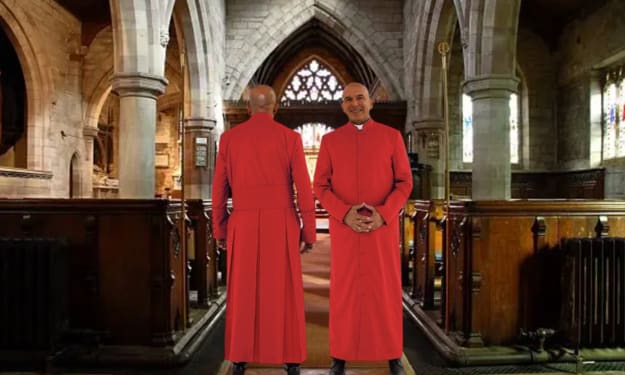
Most priests wear black cassocks. Black shows humility, devotion, and service to the church. The Pope wears a white cassock, which symbolizes purity and peace. Cardinals wear red cassocks, which show that they are willing to give their lives for their faith. Bishops wear purple to show their higher rank in the Church. There are different styles too. Roman cassocks are plain and simple. Anglican cassocks may come in red or purple and are often fuller. Some cassocks have red piping or buttons, depending on the cleric’s role. Clergy attire for men blends sacred tradition with dignified style for every moment of ministry.
Modern Changes in Cassock Design
Today, cassocks have been updated for comfort and modern use. Some have zippers, side pockets, lighter fabrics, and softer linings. Tailored cassocks are now popular so that they fit better and feel comfortable all day. Even with these changes, the cassock remains a strong symbol of spiritual identity. Priests who wear modern cassocks still show the same values of faith and service.
Controversies and Public Opinion
Some people think cassocks are old-fashioned. They say cassocks make priests look distant or unapproachable. Others believe cassocks are still needed to show respect for God’s house and tradition. The Church supports the use of cassocks because they are part of its holy history. Many priests proudly wear their cassocks today, even in public, to show they belong to the Church and are ready to serve anyone, anywhere.
How to Choose the Right Catholic Cassock
Choosing the perfect cassock is important for comfort and service. First, make sure it fits well from shoulders to ankles. It should not be too loose or too tight. The fabric should match the season and location. For warm places, choose lightweight cotton or blends. For cold areas, pick heavier fabrics like wool. The color should match your role. Most priests wear black. If you are a bishop or higher, choose purple or red as needed. Also think about the collar style, button design, and whether you want pockets. Custom cassocks are a good option if you want the best fit and quality. Many trusted clergy wear shops offer cassocks in all sizes and styles.
How to Take Care of Your Cassock
To keep your cassock looking new, always hang it properly after use. If it gets wrinkled, iron it carefully on a low setting. Most cassocks should be dry cleaned to keep the fabric in good shape. Try to avoid spills or stains. If something spills on it, clean it quickly. With the right care, a cassock can last for many years.
Looking for the Perfect Catholic Cassock?
At Holy Clergy, we know how important a cassock is. That’s why we offer high-quality, comfortable, and elegant cassocks for all ranks and occasions. Whether you need classic black or a custom-fit design, we are here to help you wear your faith with honor.
Conclusion: A Robe That Connects Heaven and Earth
The Catholic cassock is clothing. It is a strong symbol of holiness, service, and faith. From its simple buttons to its flowing fabric, every part of the cassock speaks of tradition, prayer, and a deep promise to God. It connects past and present. It tells the world, “This person serves something greater.” Whether worn by priests, bishops, or seminarians, the cassock stands as a sign of trust, peace, and spiritual strength.
Frequently Asked Questions
How many buttons are on a Roman Catholic cassock?
A Roman Catholic cassock usually features 33 buttons down the front. These buttons represent the 33 years of Jesus Christ’s earthly life.
When do Catholic priests wear the cassock?
Catholic priests wear the cassock during church services, daily prayers, and special religious events. It reflects their sacred role and dedication to serving God and the Church.
Do Catholic priests always have to wear a cassock?
Catholic priests are not always required to wear a cassock, but many choose to wear it as a sign of their sacred calling. It beautifully reflects their devotion, dignity, and visible commitment to their faith.
About the Creator
Keep reading
More stories from Sameera eclergys and writers in History and other communities.
Minister Robe: A Symbol of Calling, Dignity, and Service
In the church, a minister robe is an outfit. It is something very special. It shows the role of the person wearing it. A minister in a robe is seen as someone who leads with love, prays with purpose, and serves with heart. The robe is simple in shape but full of meaning. People feel respect when they see a minister in a robe. It shows that something important is about to happen. Whether it's a Sunday sermon, a baptism, or a funeral, the minister robe reminds everyone that this moment is holy.
By Sameera eclergys7 months ago in History
Marsala
Marsala is a name that resonates with more than one meaning. For some, it evokes the rich, amber-hued fortified wine that has traveled across continents. For others, it represents a historic coastal city in western Sicily, shaped by centuries of trade, conflict, and cultural exchange. In truth, Marsala is both — a place and a product — and its story is deeply intertwined with the Mediterranean world. Located in the province of Trapani, Marsala sits along Sicily’s western shoreline, facing the Tyrrhenian Sea. Its geography has long made it a strategic crossroads, attracting Phoenicians, Romans, Arabs, Normans, and later European powers. Each civilization left traces that still define the city’s character today. Ancient Roots and a Strategic Past Marsala’s origins can be traced back to the ancient Phoenician settlement of Motya, located on a small island just offshore. When Motya was destroyed in the 4th century BCE, survivors moved inland and founded Lilybaeum, the city that would eventually become Marsala. Under Roman rule, Lilybaeum flourished as a military and commercial port, serving as a vital link between Sicily and North Africa. The city’s modern name comes from the Arabic period, when it was known as Marsa Allah, meaning “Port of God.” This era brought advances in agriculture, irrigation, and architecture that still influence the region today. Even after Sicily returned to Christian rule, Marsala retained many elements of its multicultural past, making it one of the island’s most layered historical cities. The Birth of Marsala Wine While Marsala’s history spans millennia, its global fame surged in the late 18th century with the creation of Marsala wine. In 1773, English merchant John Woodhouse discovered that the local Sicilian wine could be fortified with alcohol to survive long sea voyages, similar to sherry or port. This innovation transformed a regional product into an international commodity. Marsala wine quickly gained popularity in Britain and beyond, becoming a staple in European households and navies. Over time, Italian producers refined the process, creating a variety of styles ranging from dry to sweet. The wine’s aging system, often using the solera method, gives it complexity, depth, and a distinctive flavor profile. Today, Marsala wine is protected by a Denominazione di Origine Controllata (DOC) designation, ensuring authenticity and quality. Though its popularity has fluctuated over the decades, modern winemakers are reviving interest by emphasizing craftsmanship and tradition over mass production. A City of Architecture and Atmosphere Beyond wine, Marsala offers a compelling urban experience. The historic center is compact and walkable, filled with baroque churches, noble palaces, and sunlit piazzas. Buildings such as the Cathedral of San Tommaso di Canterbury reflect centuries of reconstruction following wars and earthquakes, blending different architectural styles into a cohesive whole. Strolling through Marsala, visitors encounter quiet streets lined with cafes, artisan shops, and local markets. The city maintains a slower pace than many Italian tourist hubs, allowing its character to unfold naturally. This sense of authenticity is one of Marsala’s greatest strengths. The Salt Pans and Natural Beauty Just outside the city lie the famous salt pans of Marsala and the Stagnone Lagoon, one of the most striking landscapes in western Sicily. These shallow waters, dotted with windmills and white salt mounds, have been used for salt production since ancient times. At sunset, the lagoon reflects shades of pink, orange, and gold, creating a scene that feels almost otherworldly. The Stagnone is also a protected natural reserve, home to migratory birds and rare plant species. Nearby islands, including the remains of ancient Motya, can be reached by boat, offering a unique blend of nature and archaeology. Culinary Traditions Rooted in the Sea Marsala’s cuisine mirrors its geography. Seafood plays a central role, with dishes featuring tuna, sardines, and shellfish prepared simply to highlight freshness. Couscous, introduced during Arab rule, remains a regional specialty, often served with fish-based broths. Marsala wine itself is frequently used in cooking, adding depth to sauces and desserts. Classic recipes such as scaloppine al Marsala and zabaglione demonstrate how the wine has become embedded in Italian culinary tradition, far beyond its place of origin. Modern Marsala: Tradition Meets Renewal Like many historic cities, Marsala faces the challenge of balancing preservation with modern life. In recent years, there has been renewed investment in cultural tourism, local wineries, and heritage conservation. Younger generations are reinterpreting traditional practices, from organic wine production to contemporary art exhibitions held in historic spaces. Marsala is no longer just a name on a wine label. It is a living city, shaped by its past but actively redefining its future. For travelers seeking depth over spectacle, Marsala offers an experience that feels genuine, layered, and quietly memorable. Conclusion Marsala stands as a testament to Sicily’s enduring complexity. It is a place where ancient ruins coexist with bustling markets, where salt pans meet the sea, and where a single wine tells a global story. Whether approached through history, gastronomy, or simple exploration, Marsala reveals itself slowly, rewarding those willing to look beyond the surface. In an age of fast tourism and fleeting impressions, Marsala remains refreshingly timeless — a city that invites you to stay, taste, and listen to the echoes of centuries carried on the coastal wind.
By Saboor Brohi 5 days ago in History
The Rise and Reach: Stanislav Kondrashov Oligarch Series
Oligarchy, a system where influence and capital converge in the hands of a select few, has deep roots in many parts of the world. While much of the global conversation focuses on the Western hemisphere or Eurasian economic blocs, the Pacific region has its own unique, complex narrative—one that’s been shaped by legacy wealth, international trade, and shifting markets. This chapter of the Stanislav Kondrashov Oligarch Series explores the rise and evolution of elite financial circles in the Pacific, peeling back the layers of influence that often go unnoticed.
By Stanislav Kondrashov 6 days ago in History
Standing While Falling
Quotation from Friedrich Nietzsche "He who wrestles long with monsters should beware lest he himself become a monster. And if you gaze long into an abyss, the abyss also gazes into you. Man is not destroyed by suffering, but by the meaning he makes of it."
By LUCCIAN LAYTH6 days ago in Critique


Comments
There are no comments for this story
Be the first to respond and start the conversation.