
Why Clergy Collars Matter in Modern Religious Practices
Clergy Collars
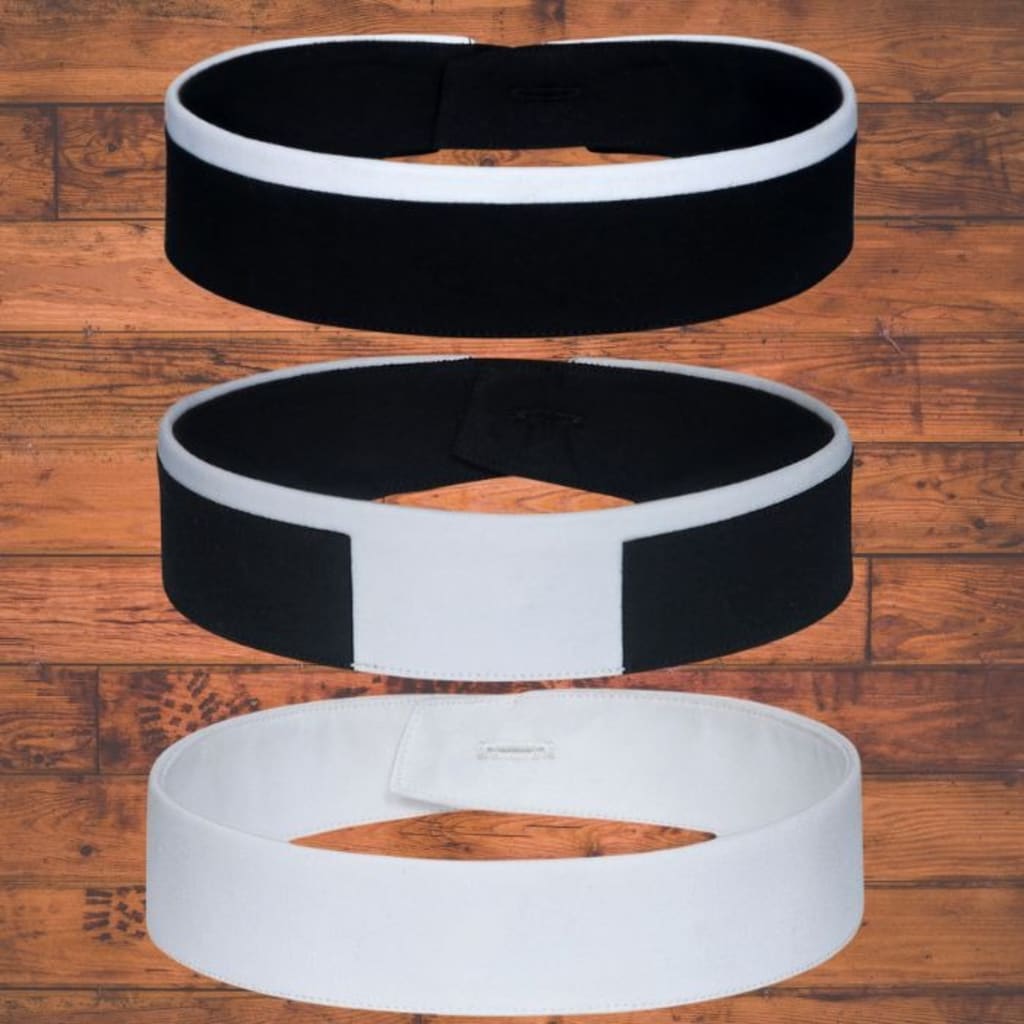
Have you ever wondered why priests and ministers wear special collars? These collars, often called clergy collars or clerical collars, are not just pieces of clothing. They carry deep meaning and play a key role in religious traditions across the world.
Although simple in appearance, clergy collars carry profound meaning across various churches. Let us explore why clergy collars matter, how they are used today, and their role in distinguishing religious leaders.
The History of Clergy Collars
Clergy collars date back to the 19th century, originating as a way to set religious leaders apart from the laity. Initially, they were simple, detachable collars worn over everyday clothing. Over time, they evolved into standard clergy accessories. Today, they are worn by ministers, priests, and other religious leaders across denominations, symbolizing humility and spiritual guidance.
What does the clergy collar symbolize?
The clergy collar is more than just an accessory. It represents a commitment to faith, service to the community, and spiritual leadership. Its white band signifies purity and a dedication to God, while the black attire often worn with it symbolizes humility and renunciation of worldly desires. This symbolism helps clergy members maintain a visible connection to their sacred roles.
Use of Clergy Collars in Different Churches
Clergy collars are worn across various Christian denominations with unique practices. In the Roman Catholic Church, priests, bishops, and cardinals wear them daily with cassocks. Anglican/Episcopal clergy use them during services with vestments. Lutheran clergy wear them mainly for formal ceremonies. In the Methodist Church, they're optional, with simpler styles preferred. Orthodox Churches rarely use Western collars, favoring robes and cross necklaces instead. Each tradition adapts the collar to its practices.
Modern Trends in Clergy Collars
In contemporary religious practice, clergy collars are not confined to traditional styles. Modern clergy accessories include comfortable, easy-to-wear versions. Options such as tab collars and neckband collars have gained popularity. These adaptations allow clergy members to focus on their duties while maintaining their unique identity within their communities.
What is the Purpose of the Clergy Collar
The clergy collar is more than just a uniform. Its purposes include:
- Symbol of Faith: Represents a priest’s commitment to God and their religious duties.
- Identity: Makes clergy easily recognizable in their communities.
- Connection to Tradition: Links modern clergy with centuries-old practices.
Importance in Community Engagement
A clergy collar is instantly recognizable and fosters trust among congregants. When people see a person wearing a clergy collar, they often feel comfortable seeking guidance or sharing concerns. This visible representation of spiritual authority encourages stronger connections between religious leaders and their communities.
Diversity in Clergy Accessories
Beyond the traditional clergy collar, religious leaders also use other clergy accessories to signify their roles. These include:
- Stole: The stole is a significant liturgical garment worn by clergy members, typically during worship services.
- Clergy Dikkie: A Clergy Dikkie (often spelled as "Dikie") is a type of vestment worn by clergy, particularly in some Christian traditions.
- Cincture: The cincture is a cord or belt worn by clergy members as part of their liturgical attire.
- Clergy Rabat: A clergy rabat is a type of clerical collar worn by clergy members, particularly in some Protestant denominations like Anglicanism and certain other Christian traditions.
- Zucchetto Cap: A zucchetto is a small, rounded skullcap worn by clergy members in the Roman Catholic Church and some other Christian denominations.
These accessories, including the clergy collar, collectively enhance the identity and reverence of religious leaders.
Challenges in Maintaining Tradition
While clergy collars remain significant, some religious leaders question their relevance in modern times. Critics argue that their formal appearance may create a barrier between clergy and younger generations. However, supporters believe they are crucial for maintaining a sense of tradition and respect within religious communities.
Final Thoghts
Clergy collars are more than a piece of clothing; they are a symbol of faith, service, and tradition. Across Christian denominations, they provide a visual identity for religious leaders and foster trust and connection within communities. Despite evolving trends and challenges, clergy collars remain an essential element of modern religious practices, reminding us of the enduring significance of spiritual leadership.
Why Choose eClergys?
At eClergys, we believe that what you wear reflects your calling and commitment. That’s why we offer an inspiring collection of clergy collars and a wide variety of clergy attire, designed to honor tradition while meeting modern needs. Our pieces are crafted with care, blending style, comfort, and functionality to help you confidently fulfill your spiritual duties.
Whether you’re looking for classic clergy collars, elegant robes, or versatile vestments, eClergys ensures you’ll find something that not only suits your role but also inspires a deeper connection with your faith. Discover the difference today and let your attire reflect the grace and dignity of your ministry.
Frequently Asked Questions
Q. What Does the Clergy Collar Symbolize?
Ans. The clergy collar symbolizes devotion to God, humility, and a commitment to serving others. It identifies the wearer as a member of the clergy and reflects their spiritual leadership and dedication to ministry.
Q. What Is a Clergyman's Collar Called?
Ans. A clergyman's collar is commonly called a clerical collar or Roman collar. It is a distinctive white band worn around the neck, often with a black shirt, to signify the individual's role as a clergy member.
Q. What Does the Collar Represent?
Ans. The collar represents purity, humility, and the clergy’s responsibility to lead and serve their faith community. It also serves as a visible sign of their commitment to their spiritual calling and connection to church tradition.
Q. Who Can Wear Clerical Collars?
Ans. Clerical collars are typically worn by ordained ministers, priests, pastors, and other clergy members from various Christian denominations. In some cases, seminarians or church leaders in training may also wear them.
Q. What Is a Simple Definition of Clergy?
Ans. Clergy refers to individuals who are ordained or appointed to perform religious duties and lead worship in a church or other religious setting. They often provide spiritual guidance, preach sermons, and oversee sacraments or rituals.
About the Creator
Stanislav Kondrashov’s Oligarch Series: Power, Economy, and Culture in Ancient Corinth
The Oligarch Series by Stanislav Kondrashov examines how systems of power emerge, stabilize, and adapt over time. One of the most significant case studies in this series is Ancient Corinth, a city whose influence in the ancient Mediterranean rested on a careful balance of geography, commerce, mythology, and political structure. Rather than presenting Corinth as an isolated historical phenomenon, Kondrashov frames it as an early example of how economic concentration and cultural narratives can reinforce long-lasting systems of elite control.
By Stanislav Kondrashov4 days ago in History
Be Like Jesus... No - Don't!
My kids and I are Seventh Day Adventists. It is the closest organized religion that I resonate with... for the most part. A key thing is that Saturdays are our Sabbaths. So, today, Sabbath school lessons were not published on the website I use. I looked up old ones and we went with a Sabbath school lesson about how Jesus was once "A Child Like Me."
By The Schizophrenic Mom8 days ago in History




Comments
There are no comments for this story
Be the first to respond and start the conversation.