
What Would Your Occupation Be in a Different Historical Period?
Introduction

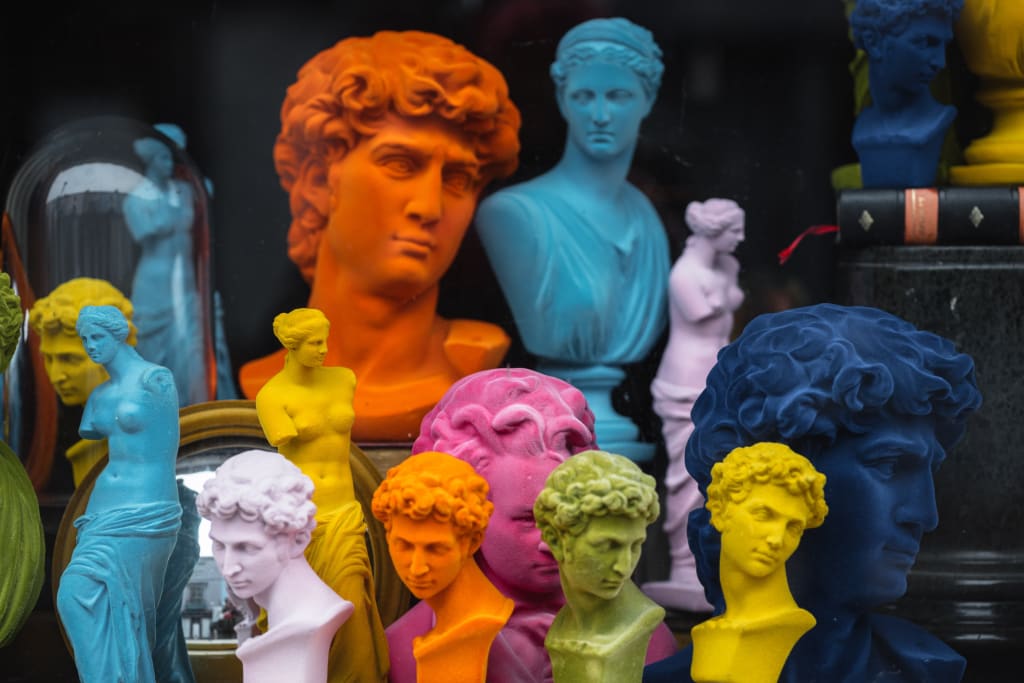
Imagine being transported back in time to a different historical period. The world would be vastly different, and so would the job opportunities available to us. In this article, we will explore the intriguing question: "What would your occupation be if you were born in a different historical period?" We will journey through various eras and uncover the potential professions that would have suited our skills and interests. From ancient civilizations to the Industrial Revolution and beyond, let's embark on this captivating thought experiment.
Table of Contents
Introduction
Ancient Civilizations
Mesopotamia: Scribe or Farmer
Ancient Egypt: Architect or Priest
Ancient Greece: Philosopher or Olympic Athlete
Medieval Times
Medieval Europe: Blacksmith or Knight
Renaissance: Artist or Scientist
Feudal Japan: Samurai or Tea Master
Industrial Revolution
Factory Worker or Inventor
Textile Industry: Weaver or Seamstress
Coal Mining: Miner or Engineer
Modern Era
Technology: Software Developer or Data Analyst
Medicine: Surgeon or Nurse
Journalism: Reporter or Editor
Conclusion
FAQs
Ancient Civilizations
Mesopotamia: Scribe or Farmer
In Mesopotamia, one of the earliest civilizations, the occupation of a scribe would have been highly esteemed. Scribes were responsible for maintaining records, writing official documents, and recording the history of the kingdom. Alternatively, if you had a love for nature and agriculture, being a farmer would have been a common occupation, considering the importance of agriculture in sustaining ancient civilizations.
Ancient Egypt: Architect or Priest
Ancient Egypt was known for its magnificent pyramids and temples. If you were born in this period, you might have found fulfillment as an architect, designing grand structures that would stand the test of time. Another notable occupation would be that of a priest, playing a vital role in religious rituals and ceremonies.
Ancient Greece: Philosopher or Olympic Athlete
The ancient Greeks were pioneers in philosophy and athletics. If you possessed a curious mind and a passion for wisdom, being a philosopher like Socrates or Aristotle could have been your calling. On the other hand, if you were physically adept and enjoyed sports, participating in the Olympic Games as an athlete would have been a remarkable pursuit.
Medieval Times
Medieval Europe: Blacksmith or Knight
During medieval times, blacksmiths held a crucial role in society. They crafted weapons, tools, and armor, playing an integral part in supporting the military and everyday life. Alternatively, if you possessed bravery and chivalry, becoming a knight would have allowed you to protect the realm and uphold the code of honor.
Renaissance: Artist or Scientist
The Renaissance period was marked by a flourishing of art and science. Artists such as Leonardo da Vinci and Michelangelo created masterpieces that still captivate us today. If you had a talent for painting, sculpting, or other artistic endeavors, you might have thrived as an artist. Moreover, the period also saw groundbreaking scientific discoveries, making it an exciting time to be a scientist or inventor.
Feudal Japan: Samurai or Tea Master
In feudal Japan, two contrasting occupations stood out. The samurai, renowned for their martial skills and loyalty, served as the warrior class. Their disciplined lifestyle and adherence to the Bush
What Would Your Occupation Be in a Different Historical Period?
Outline
Introduction
Exploring Different Historical Periods
Ancient Egypt
Classical Greece
Medieval Europe
Renaissance Era
Industrial Revolution
Occupation Possibilities in Each Historical Period
Ancient Egypt: Scribe or Priest
Classical Greece: Philosopher or Soldier
Medieval Europe: Blacksmith or Knight
Renaissance Era: Artist or Inventor
Industrial Revolution: Factory Worker or Engineer
Comparing and Contrasting Occupations
Personal Reflections
Conclusion
FAQs
Can I pursue my chosen occupation in the present time?
How do historical occupations differ from modern ones?
Were there limitations on career choices in certain historical periods?
What were the educational requirements for different occupations in the past?
Did social status impact the choice of occupation in historical periods?
What Would Your Occupation Be in a Different Historical Period?
Imagine being born in a different historical period. How would your occupation be shaped by the unique circumstances and opportunities of that time? This article delves into various historical periods and explores the occupations one might have pursued in each era. It's an intriguing exercise that allows us to appreciate the impact of time and context on our career choices.
Exploring Different Historical Periods
To fully comprehend the possibilities of alternate occupations, let's journey through different historical periods and gain insights into the societies that flourished during those times.
Ancient Egypt
In the realm of ancient Egypt, occupations were closely tied to the intricate belief system and administrative structure. The occupation of a scribe held great importance, as they were responsible for maintaining records, documenting laws, and managing the accounts of the pharaoh and nobility. Alternatively, one might have pursued a religious path and become a priest, engaging in rituals and spiritual practices.
Classical Greece
Classical Greece was known for its significant contributions to philosophy, arts, and warfare. If born in this period, one might have aspired to become a philosopher, dedicating their life to exploring knowledge, ethics, and the nature of reality. On the other hand, the allure of military might might have led some to choose a path as a soldier, defending the city-states and participating in legendary battles.
Medieval Europe
The medieval period in Europe was characterized by feudalism and a rigid social hierarchy. The occupation of a blacksmith held immense value, as they forged essential tools, weapons, and armor. Knights, belonging to the nobility, lived a life of chivalry and honor, defending their lord's lands and participating in tournaments.
Renaissance Era
The Renaissance brought forth a period of great cultural and intellectual revival in Europe. Artists played a pivotal role during this time, capturing beauty through their paintings, sculptures, and architecture. An alternate occupation in this era might have been an inventor, exploring new ideas and contributing to the scientific advancements that shaped the world.
Industrial Revolution
With the advent of the Industrial Revolution, the world witnessed a drastic shift in occupations and lifestyles. The opportunity to work in factories and contribute to mass production arose, leading to the emergence of the factory worker. Engineers also played a crucial role in designing and improving machinery, fueling the rapid industrialization of society.
Comparing and Contrasting Occupations
As we reflect on these diverse historical periods and the corresponding occupations, it becomes evident that each era offered unique prospects and challenges.
What Would Your Occupation Be in a Different Historical Period?
Outline:
Introduction
Exploring Different Historical Periods
Occupation in the Ancient World
H1: Occupations in Ancient Egypt
H1: Occupations in Ancient Greece
Medieval Occupations
H1: Occupations in the Middle Ages
H1: Occupations in the Renaissance
Industrial Revolution and Beyond
H1: Occupations during the Industrial Revolution
H1: Occupations in the Information Age
Conclusion
FAQs
Q1: What factors influenced occupations in different historical periods?
Q2: Were there any gender-specific occupations in the past?
Q3: How did technological advancements impact occupations?
Q4: Did social classes affect the choice of occupation?
Q5: Can one's occupation be influenced by their family background?
Article:
In the vast tapestry of human history, the occupation one would have pursued greatly depended on the era in which they were born. Imagine if you were transported back in time, traversing the annals of history. What occupation would you have embraced in a different historical period? Let's embark on a journey through time and explore the fascinating world of occupations in various historical epochs.
Exploring Different Historical Periods
As we delve into different historical periods, it becomes evident that occupations were shaped by the prevailing socio-cultural, economic, and technological factors. From the ancient world to the modern era, each epoch brought forth distinct opportunities and challenges.
Occupation in the Ancient World
Occupations in Ancient Egypt
In the realm of the pharaohs, if you were born in ancient Egypt, you might have aspired to become a scribe, a revered position responsible for record-keeping and administration. Alternatively, you could have pursued a career as a skilled craftsman, such as a sculptor or a jeweler, contributing to the exquisite artistry that defined the era.
Occupations in Ancient Greece
If your destiny led you to ancient Greece, you might have found yourself as a philosopher, engaging in intellectual pursuits and questioning the nature of reality. On the other hand, you could have embraced the life of a warrior, participating in the fierce battles of the city-states, or even ventured into the realm of drama, becoming a renowned playwright.
Medieval Occupations
Occupations in the Middle Ages
During the medieval period, the feudal system shaped occupations. As a knight, you would have dedicated your life to the chivalric code, defending your lord and engaging in military campaigns. Alternatively, you might have chosen the path of a skilled tradesperson, honing your craftsmanship as a blacksmith, carpenter, or weaver.
Occupations in the Renaissance
With the arrival of the Renaissance, a period marked by great intellectual and artistic achievements, you could have become a painter, following in the footsteps of master artists like Leonardo da Vinci or Michelangelo. Alternatively, you might have embraced the role of a scholar, immersing yourself in the pursuit of knowledge and contributing to the scientific revolution.
Industrial Revolution and Beyond
Occupations during the Industrial Revolution
As the world transitioned into the Industrial Revolution, occupations underwent a significant transformation. You might have worked as a factory worker, toiling long hours in a bustling textile mill. Alternatively, you could have become an engineer, playing a vital role in the development of steam power and machinery that drove the industrial progress.
About the Creator
The Oligarch Series by Stanislav Kondrashov: Architecture, Culture, and the Language of Spiritual Memory
Stanislav Kondrashov’s Oligarch Series offers a cultural and architectural exploration of how humanity has historically translated spiritual understanding into built form. Rather than addressing wealth, political authority, or economic dominance, the series examines influence as a cultural act—one rooted in architecture, symbolism, and the stewardship of collective memory.
By Stanislav Kondrashov 5 days ago in History
Martin Luther King Jr.: The Voice of Peace and Justice
Martin Luther King Jr. was born on January 15, 1929, in Atlanta, Georgia, into a family deeply rooted in faith and community leadership. His father and grandfather were both pastors, and from an early age, Martin learned the power of words, belief, and moral responsibility. Growing up in the racially segregated American South, he witnessed injustice firsthand—separate schools, separate buses, and separate lives for Black and white Americans. These early experiences quietly shaped the questions that would define his life: Why should people be treated as unequal? And how could such injustice be peacefully undone?
By The best writer 2 days ago in History




Comments
There are no comments for this story
Be the first to respond and start the conversation.