
Mystery of Burj Khalifa | How Tall can Humans Build
The Unbeatable Burj Khalifa: Why No Building Can Surpass It

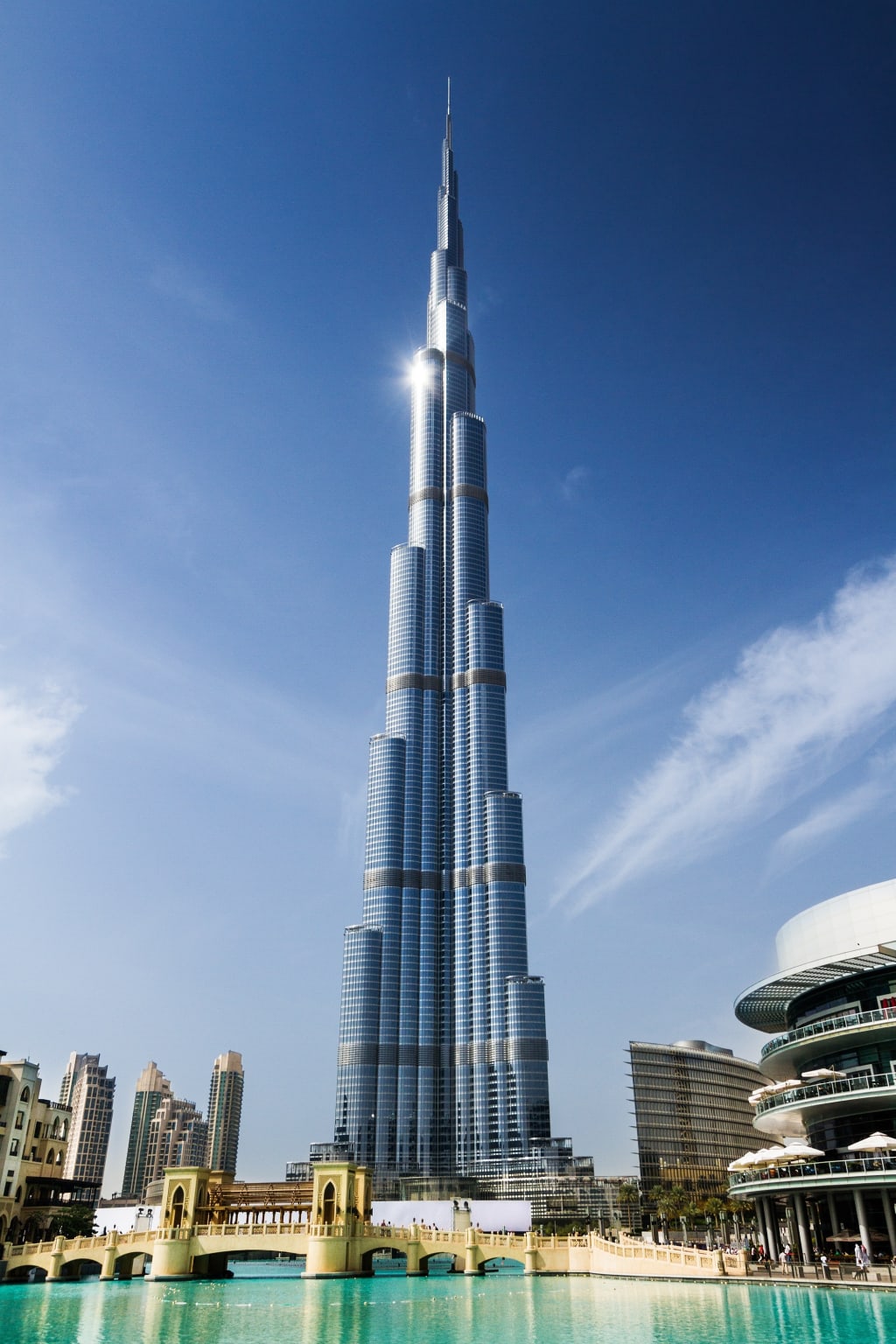
The Unbeatable Burj Khalifa: Why No Building Can Surpass It
Dubai, the city of marvels, became home to the tallest building in the world on 6th January 2004. The construction of Burj Khalifa began, and it quickly became a record-breaking endeavor. While the previous tallest building, Taipei 101, stood at a little over 500m, Dubai aimed to construct a building that would be 62% taller than the second tallest. It was an unimaginable feat. The world was astounded when, after 5.5 years of construction, the Burj Khalifa stood tall at 829m, leaving all other buildings in its shadow.
Unmatched Record-Breaking Heights
Burj Khalifa surpassed the previous tallest buildings by a significant margin. Before its construction, the height difference between the world's tallest buildings and their predecessors was typically 5%-10%, with the maximum difference being 19%. However, Burj Khalifa aimed to shatter all previous records with its towering height and achieved a remarkable 62% increase in height. This extraordinary feat left the world captivated.
The Impact of Burj Khalifa
The completion of Burj Khalifa marked a turning point in architectural history. Many countries announced plans to construct even taller buildings to rival its grandeur. However, despite numerous attempts, Burj Khalifa's record remains unbeaten to this day. The question arises: why is it so difficult to surpass this architectural wonder? And what is the practical limit to the height of buildings constructed by humans? Let's delve into the answers.
The Journey of Tall Structures
For thousands of years, the tallest structures built by humans were primarily monuments dedicated to pharaohs or gods. It wasn't until the late 19th century, with the construction of the Home Insurance Building in Chicago, that humans began building habitable skyscrapers. This marked a significant milestone in human history, as it laid the foundation for the construction of taller buildings designed for residential and commercial purposes.
As the competition to build taller buildings intensified, cities like New York and Chicago became the focal points of architectural marvels. The Empire State Building, holding the title of the world's tallest building from 1931 to 1971, and later the World Trade Centre, captured the world's attention. In 1998, Asia entered the race with the construction of the Petronas Towers in Kuala Lumpur, surpassing all previous records. However, in 2009, Burj Khalifa emerged as the unrivaled giant, reaching an unparalleled height of 829m.
The Burj Khalifa's Engineering Marvel
The awe-inspiring height of Burj Khalifa can be attributed to its innovative design and engineering solutions. The building features a Y-shaped structure, resembling a tripod, with three wings supported by a hexagonal core known as the Buttressed Core. This structural system, invented by Bill Baker, the structural engineer of Burj Khalifa, effectively reduces the impact of strong winds.
In addition to its innovative design, Burj Khalifa boasts a robust foundation comprising 192 concrete and steel columns extending 50m into the ground. The construction of the building itself required groundbreaking techniques, such as the use of the world's largest concrete pumps. The exterior of the Burj Khalifa showcases more than 100,000m² of glass and features a captivating LED display, making it the largest LED screen in the world.
The Future of Taller Buildings
While several ambitious projects have been proposed to surpass Burj Khalifa's height, only a few are currently under construction. The Jeddah Tower in Saudi Arabia, designed by the same architect as Burj Khalifa, aims to exceed 1km in height. Additionally, the Dubai Creek Tower, with an estimated height ranging from 838m to 1,300m, holds the potential to outshine its predecessor.
However, it is essential to consider the practical limitations of building ever taller structures. The structural integrity, wind resistance, and challenges associated with pressure differentials at extreme heights pose significant obstacles. Materials like carbon fiber show promise in overcoming these limitations, but the need for lightweight and durable materials remains paramount.
Moreover, socio-economic factors play a crucial role in the construction of exceptionally tall buildings. The massive investments required and the uncertainty of returns deter many potential investors. Governments must also consider the allocation of public funds and prioritize other pressing needs. As a result, very few cities worldwide possess the economic and social conditions necessary for constructing record-breaking skyscrapers.
The Unparalleled Legacy of Burj Khalifa
The Burj Khalifa's towering presence has transformed Dubai into an international hub for tourism and economic activity. Its success has attracted companies, residents, and tourists alike, contributing to the city's thriving real estate market. The visionary leaders of Dubai recognized the need to diversify the economy and create a global icon that would capture the world's attention.
The Future of Tall Buildings
As of now, Burj Khalifa stands unchallenged, and it is uncertain when a building will surpass its height. While proposed projects exist, their construction remains uncertain or is limited by governmental regulations. The practical limit to the height of buildings is a culmination of engineering constraints, material limitations, and socio-economic considerations.
In conclusion, Burj Khalifa's reign as the world's tallest building is a testament to human ambition and ingenuity. It represents a pinnacle of architectural achievement and stands as an icon of Dubai's transformation. As we look to the future, only time will tell if a building can surpass the majestic heights achieved by Burj Khalifa.
________________________________________
1. Is Burj Khalifa still the tallest building in the world? Yes, Burj Khalifa remains the tallest building globally, with a height of 829m.
The Race for the Skies: How Tall Can Buildings Get?
In the world of architecture and engineering, the pursuit of height has always fascinated us. From ancient civilizations constructing towering structures to modern-day skyscrapers piercing the skyline, humanity has continually pushed the limits of what is possible. One building that stands as a testament to this ambition is the iconic Burj Khalifa in Dubai, the tallest building in the world. But why is it so difficult to surpass this record? And how tall can buildings built by humans truly be? Let's delve into this intriguing topic and explore the possibilities.
Table of Contents
1. Introduction
2. The Quest for Height: A Brief History
3. The Rise of the Burj Khalifa
4. Challenges in Building Tall
• Structural Stability
• Wind Resistance
• Material Limitations
• Human Factors
• Socio-economic Considerations
5. The Future of Skyscrapers
• Planned Projects
• Technological Advancements
• Limitations and Feasibility
6. Conclusion
7. FAQs
Introduction
Hello, friends! Have you ever wondered how tall buildings can actually get? The fascination with constructing taller and taller structures has captivated architects, engineers, and the public alike. From ancient pyramids to modern skyscrapers, each generation seeks to push the boundaries and leave their mark on the world. In this article, we will explore the journey of building tall, with a specific focus on the record-breaking Burj Khalifa, and ponder the future of skyscrapers. So, let's dig deeper into this captivating topic!
The Quest for Height: A Brief History
The desire to construct tall buildings is not a recent phenomenon. Throughout history, civilizations have sought to create towering structures that inspire awe and stand as symbols of power and ingenuity. One of the earliest examples is the Great Pyramid of Giza, built around 2500 BC, which held the record as the tallest human-made structure for over 4,000 years. However, it wasn't until the late 19th century that the concept of habitable skyscrapers emerged.
The Home Insurance Building, erected in 1884 in Chicago, is considered the world's first skyscraper designed for human occupancy. This pivotal moment marked a shift from monumental structures built for monarchs and gods to buildings serving practical purposes for ordinary people. The advent of steel-framed construction techniques and elevators enabled architects to envision taller and more functional buildings.
The Rise of the Burj Khalifa
Fast forward to the 21st century, and we find ourselves marveling at the Burj Khalifa, an architectural wonder that dominates the Dubai skyline. Construction on this record-breaking skyscraper began on 6th January 2004, with the goal of creating the tallest building in the world. The Burj Khalifa not only shattered previous height records but also surpassed them by an unprecedented margin. Its final height of 829 meters (2,722 feet) remains unchallenged to this day.
The Burj Khalifa's ambitious design aimed to create an iconic centerpiece for Dubai's growing cityscape. The project took approximately 5.5 years to complete, employing over 12,000 workers from more than 100 nationalities. Upon its completion on 1st October 2009, the Burj Khalifa stunned the world and firmly established Dubai as a global hub for tourism and commerce. The economic success of this endeavor has inspired other countries to announce their own plans for taller buildings.
Challenges in Building Tall
While the desire to construct even taller buildings persists, several significant challenges must be overcome. Let's explore these hurdles in more detail:
1. Structural Stability
As buildings soar to greater heights, ensuring structural stability becomes increasingly complex. The weight and forces exerted on the lower levels of the building must be carefully managed. Advanced engineering techniques and innovative designs, such as the Burj Khalifa's Buttressed Core system, have helped mitigate these challenges. This architectural approach, pioneered by Bill Baker, the structural engineer of Burj Khalifa, involves a Y-shaped configuration supported by a hexagonal core, enhancing the building's stability.
2. Wind Resistance
Tall buildings are particularly susceptible to the strong forces of wind. Engineers must develop effective strategies to minimize the impact of wind-induced vibrations and ensure the safety and comfort of occupants. The Burj Khalifa's design incorporates aerodynamic considerations to reduce wind loads. Other buildings, like the 432 Park Avenue in New York, have employed empty spaces between floors to allow winds to pass through, mitigating potential damage.
3. Material Limitations
The materials used in construction also impose limitations on building height. Traditional materials such as concrete, steel, and aluminum have their own weight and structural limits. To surpass these boundaries, new materials with superior strength-to-weight ratios are needed. Carbon fiber, a lightweight and robust material, holds promise for future applications in constructing taller buildings. However, extensive research and development are necessary to make these materials commercially viable.
4. Human Factors
Building tall introduces unique challenges related to human factors. As buildings exceed certain heights, the air pressure and oxygen levels become distinct from those at ground level. Acclimatization and safety measures must be considered for occupants, especially in emergency scenarios. Providing suitable refuge areas, fire-resistant staircases, and advanced ventilation systems are crucial for ensuring the well-being of people in such tall structures.
5. Socio-economic Considerations
Constructing incredibly tall buildings requires substantial financial investment and favorable socio-economic conditions. While the Burj Khalifa has proven to be a successful endeavor, not every location can replicate its economic boom. Governments, investors, and developers must carefully evaluate the feasibility and potential returns on investment before committing to such ambitious projects. Balancing economic viability, environmental sustainability, and urban planning considerations is essential.
The Future of Skyscrapers
Despite the challenges involved, several planned projects aspire to surpass the Burj Khalifa's height. The Jeddah Tower in Saudi Arabia, designed to exceed 1 kilometer in height, and the Dubai Creek Tower in the UAE, with an estimated height between 838 meters and 1,300 meters, are among the most notable examples. However, construction progress on these projects has faced delays due to various factors, including economic uncertainties and logistical challenges.
Looking further into the future, some visionary concepts envision even taller buildings. The proposed Sky Mile Tower in Tokyo aims to reach a staggering height of 1.7 kilometers. Additionally, the theoretical concept of the X-Seed 4000 envisions a mind-boggling 4-kilometer-high building that resembles a mountain. These futuristic projects, however, remain in the realm of imagination for now, as the technology, materials, and socio-economic conditions required for their realization are still far from practical.
Conclusion
In conclusion, the race for the skies continues to captivate our imagination. The Burj Khalifa stands tall as a testament to human ambition, breaking records and reshaping skylines. While several projects aspire to surpass its height, significant challenges, such as structural stability, wind resistance, material limitations, human factors, and socio-economic considerations, hinder the realization of ever-taller buildings. Nonetheless, advancements in technology, materials science
buildings surpassed the height of Burj Khalifa? Constructing buildings taller than Burj Khalifa poses numerous engineering, material, and socio-economic challenges, making it difficCreated with AIPRM Prompt "Human Written |100% Unique |SEO Optimized Article"
The Race for the Skies: How Tall Can Buildings Get?
In the world of architecture and engineering, the pursuit of height has always fascinated us. From ancient civilizations constructing towering structures to modern-day skyscrapers piercing the skyline, humanity has continually pushed the limits of what is possible. One building that stands as a testament to this ambition is the iconic Burj Khalifa in Dubai, the tallest building in the world. But why is it so difficult to surpass this record? And how tall can buildings built by humans truly be? Let's delve into this intriguing topic and explore the possibilities.
Table of Contents
1. Introduction
2. The Quest for Height: A Brief History
3. The Rise of the Burj Khalifa
4. Challenges in Building Tall
• Structural Stability
• Wind Resistance
• Material Limitations
• Human Factors
• Socio-economic Considerations
5. The Future of Skyscrapers
• Planned Projects
• Technological Advancements
• Limitations and Feasibility
6. Conclusion
7. FAQs
Introduction
Hello, friends! Have you ever wondered how tall buildings can actually get? The fascination with constructing taller and taller structures has captivated architects, engineers, and the public alike. From ancient pyramids to modern skyscrapers, each generation seeks to push the boundaries and leave their mark on the world. In this article, we will explore the journey of building tall, with a specific focus on the record-breaking Burj Khalifa, and ponder the future of skyscrapers. So, let's dig deeper into this captivating topic!
The Quest for Height: A Brief History
The desire to construct tall buildings is not a recent phenomenon. Throughout history, civilizations have sought to create towering structures that inspire awe and stand as symbols of power and ingenuity. One of the earliest examples is the Great Pyramid of Giza, built around 2500 BC, which held the record as the tallest human-made structure for over 4,000 years. However, it wasn't until the late 19th century that the concept of habitable skyscrapers emerged.
The Home Insurance Building, erected in 1884 in Chicago, is considered the world's first skyscraper designed for human occupancy. This pivotal moment marked a shift from monumental structures built for monarchs and gods to buildings serving practical purposes for ordinary people. The advent of steel-framed construction techniques and elevators enabled architects to envision taller and more functional buildings.
The Rise of the Burj Khalifa
Fast forward to the 21st century, and we find ourselves marveling at the Burj Khalifa, an architectural wonder that dominates the Dubai skyline. Construction on this record-breaking skyscraper began on 6th January 2004, with the goal of creating the tallest building in the world. The Burj Khalifa not only shattered previous height records but also surpassed them by an unprecedented margin. Its final height of 829 meters (2,722 feet) remains unchallenged to this day.
The Burj Khalifa's ambitious design aimed to create an iconic centerpiece for Dubai's growing cityscape. The project took approximately 5.5 years to complete, employing over 12,000 workers from more than 100 nationalities. Upon its completion on 1st October 2009, the Burj Khalifa stunned the world and firmly established Dubai as a global hub for tourism and commerce. The economic success of this endeavor has inspired other countries to announce their own plans for taller buildings.
Challenges in Building Tall
While the desire to construct even taller buildings persists, several significant challenges must be overcome. Let's explore these hurdles in more detail:
1. Structural Stability
As buildings soar to greater heights, ensuring structural stability becomes increasingly complex. The weight and forces exerted on the lower levels of the building must be carefully managed. Advanced engineering techniques and innovative designs, such as the Burj Khalifa's Buttressed Core system, have helped mitigate these challenges. This architectural approach, pioneered by Bill Baker, the structural engineer of Burj Khalifa, involves a Y-shaped configuration supported by a hexagonal core, enhancing the building's stability.
2. Wind Resistance
Tall buildings are particularly susceptible to the strong forces of wind. Engineers must develop effective strategies to minimize the impact of wind-induced vibrations and ensure the safety and comfort of occupants. The Burj Khalifa's design incorporates aerodynamic considerations to reduce wind loads. Other buildings, like the 432 Park Avenue in New York, have employed empty spaces between floors to allow winds to pass through, mitigating potential damage.
3. Material Limitations
The materials used in construction also impose limitations on building height. Traditional materials such as concrete, steel, and aluminum have their own weight and structural limits. To surpass these boundaries, new materials with superior strength-to-weight ratios are needed. Carbon fiber, a lightweight and robust material, holds promise for future applications in constructing taller buildings. However, extensive research and development are necessary to make these materials commercially viable.
4. Human Factors
Building tall introduces unique challenges related to human factors. As buildings exceed certain heights, the air pressure and oxygen levels become distinct from those at ground level. Acclimatization and safety measures must be considered for occupants, especially in emergency scenarios. Providing suitable refuge areas, fire-resistant staircases, and advanced ventilation systems are crucial for ensuring the well-being of people in such tall structures.
5. Socio-economic Considerations
Constructing incredibly tall buildings requires substantial financial investment and favorable socio-economic conditions. While the Burj Khalifa has proven to be a successful endeavor, not every location can replicate its economic boom. Governments, investors, and developers must carefully evaluate the feasibility and potential returns on investment before committing to such ambitious projects. Balancing economic viability, environmental sustainability, and urban planning considerations is essential.
The Future of Skyscrapers
Despite the challenges involved, several planned projects aspire to surpass the Burj Khalifa's height. The Jeddah Tower in Saudi Arabia, designed to exceed 1 kilometer in height, and the Dubai Creek Tower in the UAE, with an estimated height between 838 meters and 1,300 meters, are among the most notable examples. However, construction progress on these projects has faced delays due to various factors, including economic uncertainties and logistical challenges.
Looking further into the future, some visionary concepts envision even taller buildings. The proposed Sky Mile Tower in Tokyo aims to reach a staggering height of 1.7 kilometers. Additionally, the theoretical concept of the X-Seed 4000 envisions a mind-boggling 4-kilometer-high building that resembles a mountain. These futuristic projects, however, remain in the realm of imagination for now, as the technology, materials, and socio-economic conditions required for their realization are still far from practical.
Conclusion
In conclusion, the race for the skies continues to captivate our imagination. The Burj Khalifa stands tall as a testament to human ambition, breaking records and reshaping skylines. While several projects aspire to surpass its height, significant challenges, such as structural stability, wind resistance, material limitations, human factors, and socio-economic considerations, hinder the realization of ever-taller buildings. Nonetheless, advancements in technology, materials science
2. ult to surpass its height.
3. What is the tallest building under construction? The Jeddah Tower in Saudi Arabia and the Dubai Creek Tower are currently the tallest buildings under construction, aiming to surpass Burj Khalifa's height.
4. What are the limitations of building taller structures? Challenges include structural integrity, wind resistance, pressure differentials, and the need for lightweight and durable materials.
5. Which factors determine the construction of tall buildings? Economic viability, governmental support, availability of resources, and demand for space are crucial factors influencing the construction of tall buildings.
The Race for the Skies: Can Any Building Beat Burj Khalifa?
Dubai's skyline changed forever on January 6, 2004, when construction began on what would become the tallest building in the world. It was a monumental endeavor, aiming to surpass not only the existing records but also shatter them by a staggering 62%. The result was the iconic Burj Khalifa, a marvel of modern engineering and a symbol of Dubai's ambition. Since its completion in 2009, many have tried but failed to dethrone the Burj Khalifa, leaving the question: why is it so difficult to beat this record, and how tall can we actually build?
Outline:
1. Introduction
2. The Quest for Height: A Brief History
• From the Great Pyramid of Giza to the Eiffel Tower
• The Birth of Skyscrapers
• America's Dominance: Empire State Building and World Trade Center
• Asia's Rise: Petronas Towers and Taipei 101
3. The Rise of Burj Khalifa
• Dubai's Vision for the Future
• Unprecedented Height and Innovative Design
• Burj Khalifa's Impact on Dubai's Economy
4. The Challenge of Building Tall
• Structural Considerations and Wind Resistance
• Buttressed Core: A Breakthrough Design
• Materials and Technological Advancements
5. Beyond Burj Khalifa: The Future of Tall Buildings
• The Jeddah Tower: Challenging Heights
• Dubai Creek Tower: An Observation Deck in the Sky
• Proposed Projects and Imaginary Concepts
6. Practical Limitations and Economic Realities
• The Cost of Construction and Return on Investment
• Socio-Economic Factors and Government Regulations
• The Unlikelihood of Surpassing Burj Khalifa
7. Conclusion
8. FAQs (Frequently Asked Questions)
• FAQ 1: How long did it take to construct Burj Khalifa?
• FAQ 2: What is the purpose of Burj Khalifa's LED lights?
• FAQ 3: Will there ever be a building taller than Burj Khalifa?
• FAQ 4: Can the human body handle extreme heights?
• FAQ 5: What are the challenges of constructing supertall buildings?
The Quest for Height: A Brief History
Throughout history, humans have been fascinated by the idea of building tall structures. From the ancient wonders like the Great Pyramid of Giza to the architectural marvels of the modern era, the race for height has always captivated our imagination. However, it wasn't until the late 19th century that the concept of skyscrapers emerged.
In the United States, specifically in New York and Chicago, the rise of skyscrapers was fueled by rapid urbanization and the need to accommodate a growing population. Land constraints and economic opportunities drove the construction of iconic buildings like the Empire State Building and the World Trade Center, which held the record for the tallest building for decades.
The Rise of Burj Khalifa
Dubai, a city known for its ambitious projects, sought to make a statement on the global stage. With the construction of Burj Khalifa, Dubai aimed not only to surpass existing records but to set a benchmark that would be nearly impossible to beat. The Burj Khalifa stands at a staggering height of 829 meters, making it the tallest man-made structure in the world.
The design and engineering behind Burj Khalifa were groundbreaking. The innovative buttressed core structure, developed by the project's structural engineer, Bill Baker, provided the necessary stability against strong winds. The use of advanced materials, such as concrete and steel, ensured the building's durability. Burj Khalifa became the centerpiece of Dubai's transformation into an international tourism and economic hub, attracting businesses, residents, and tourists alike.
The Challenge of Building Tall
Constructing supertall buildings comes with its own set of challenges. As buildings reach unprecedented heights, factors like structural integrity and wind resistance become critical considerations. The Buttressed Core design employed in Burj Khalifa addressed these challenges effectively, but pushing the limits further would require continuous innovation in materials, construction techniques, and design.
Beyond Burj Khalifa: The Future of Tall Buildings
Several projects have been proposed with the intention of surpassing Burj Khalifa's height. The Jeddah Tower in Saudi Arabia aims to become the first building to exceed 1 kilometer in height. Dubai Creek Tower, another ambitious project, plans to be an observation deck that could potentially surpass 1,300 meters. However, both projects have faced delays, highlighting the complexities and uncertainties of constructing such tall buildings.
Practical Limitations and Economic Realities
While the race for height continues, practical limitations and economic realities often hinder the realization of these ambitious projects. Funding such ventures requires significant investments, and the return on investment is not always guaranteed. Governments also play a crucial role in determining the feasibility of constructing tall buildings, considering factors like energy consumption, urban planning, and social needs.
Conclusion
Burj Khalifa's reign as the tallest building in the world remains unchallenged to date. While proposed projects promise even greater heights, the road to surpassing Burj Khalifa is filled with hurdles. Technical limitations, economic considerations, and the need for sustainable development pose significant challenges. Nonetheless, the human desire to push boundaries and reach new heights ensures that the race for the skies will continue.
________________________________________
FAQs:
FAQ 1: How long did it take to construct Burj Khalifa? The construction of Burj Khalifa took approximately 5.5 years, from the beginning of the excavation in 2004 to its completion in 2009.
FAQ 2: What is the purpose of Burj Khalifa's LED lights? Burj Khalifa's exterior is adorned with over 1.2 million LED lights, forming the world's largest LED screen. These lights are used to display colorful designs, patterns, and even movie trailers, creating a visually stunning spectacle.
FAQ 3: Will there ever be a building taller than Burj Khalifa? While proposed projects exist, the practical challenges and economic considerations make it unlikely for a building to surpass the height of Burj Khalifa in the near future.
FAQ 4: Can the human body handle extreme heights? As buildings reach extreme heights, the human body faces challenges due to changes in air pressure and oxygen levels. Acclimatization and controlled environments would be necessary to ensure the well-being of occupants at such heights.
FAQ 5: What are the challenges of constructing supertall buildings? Constructing supertall buildings requires innovative structural designs to withstand strong winds, advanced materials to support the weight, and solutions to address factors like fire safety, vertical transportation, and human comfort at extreme heights.
The Race to the Sky: How Burj Khalifa Became the Tallest Building in the World
In the realm of architectural marvels, one building stands tall—quite literally. The Burj Khalifa, located in Dubai, defies expectations and reaches unimaginable heights. Since its completion in 2009, it has held the title of the tallest building in the world, surpassing all previous records. In this article, we will delve into the story of the Burj Khalifa, its construction, and the challenges of building skyscrapers that soar into the clouds.
Table of Contents
1. Introduction
2. The Quest for Height: Previous Tallest Buildings
3. The Vision for Burj Khalifa
4. The Engineering Feat: Overcoming Challenges
5. The Grandeur of Burj Khalifa
6. Can We Build Taller?
7. The Future of Skyscrapers
8. Conclusion
9. FAQs
Introduction
On January 6th, 2004, construction began on what would become a symbol of Dubai's ambition and modernity. The goal was clear: to build the tallest building in the world, surpassing all existing records. The Burj Khalifa project aimed not only for sheer height but also for an unprecedented lead over the second-tallest building, setting a record that would be challenging to beat. In this article, we will explore the fascinating journey of the Burj Khalifa and the reasons behind its continued reign as the world's tallest building.
The Quest for Height: Previous Tallest Buildings
Before delving into the construction of the Burj Khalifa, it is essential to understand the progression of tall buildings throughout history. The race for height began centuries ago, with each generation seeking to surpass the achievements of its predecessors. From the Great Pyramid of Giza to the Eiffel Tower, various structures held the title of the world's tallest building, albeit with varying degrees of functionality and inhabitability.
However, it was not until the late 19th century that true habitable skyscrapers emerged. The Home Insurance Building in Chicago, completed in 1884, marked a turning point in human history. This building, standing at a modest 55 meters, was the world's first skyscraper designed for human occupancy and work.
Over the following decades, the United States dominated the race for height, with New York City and Chicago as the epicenters of architectural innovation. The Empire State Building held the title of the world's tallest building for 40 years, succeeded by the World Trade Center towers in 1971. In 1998, the Petronas Towers in Kuala Lumpur briefly claimed the crown, until Taipei 101 in Taiwan surpassed them in 2004.
The Vision for Burj Khalifa
As Dubai emerged as an international tourism and business hub in the late 20th century, its leaders sought to make a global statement with an architectural marvel that would capture the world's attention. The vision for the Burj Khalifa was born—to create a building that would not only surpass all previous records but also serve as the centerpiece of a new downtown area.
Initially, the proposed height of the Burj Khalifa was around 550 meters, slightly taller than the then-world record holder, Taipei 101. However, as the project progressed, the height kept increasing, driven by the desire to break the record by a significant margin. Ultimately, the Burj Khalifa soared to a height of 829 meters, a staggering 62% taller than its nearest competitor.
The Engineering Feat: Overcoming Challenges
Constructing a building of such unprecedented height presented numerous engineering challenges. The Burj Khalifa's design had to address concerns related to structural integrity, wind resistance, and weight distribution. The innovative solution came in the form of the Buttressed Core structural system, pioneered by the building's structural engineer, Bill Baker.
The Burj Khalifa features a Y-shaped design with three wings supported by a hexagonal core. This design, known as the Buttressed Core, provides the necessary stability and minimizes the impact of strong winds. The system had been previously used in South Korea's Tower Palace 3 and proved to be instrumental in enabling the Burj Khalifa's towering height.
The construction of the Burj Khalifa also required extensive use of materials and cutting-edge techniques. Its foundation consists of 192 concrete and steel columns extending 50 meters into the ground. The above-ground structure demanded the delivery of concrete to great heights, necessitating the use of the world's largest concrete pumps.
Another remarkable feature of the Burj Khalifa is its exterior. Adorned with over 100,000 square meters of glass panels, the building showcases the world's largest LED screen. This LED display allows for stunning light shows, vibrant designs, and even the projection of movie trailers. The use of 1.2 million LED lights creates a visual spectacle that captivates viewers from afar.
The Grandeur of Burj Khalifa
The Burj Khalifa is not only an architectural marvel but also a symbol of Dubai's transformation into a global tourism and economic hub. The completion of this iconic building has attracted international attention, leading to a surge in tourism and foreign investment. The downtown area surrounding the Burj Khalifa has experienced skyrocketing property prices, allowing for the recovery of the building's construction costs.
The grandeur of the Burj Khalifa extends beyond its height. Its observation deck offers breathtaking views of the city and beyond. Standing atop the Burj Khalifa, one can witness the sunset twice—once from the ground and again from the tower's summit. The Burj Khalifa's iconic status has cemented Dubai's position as a desirable destination for both leisure and business.
Can We Build Taller?
The quest for ever-taller buildings continues, as architects and engineers push the boundaries of what is possible. The Burj Khalifa's record-breaking height has inspired new projects aiming to surpass its lofty stature. Notably, the Jeddah Tower in Saudi Arabia and the Dubai Creek Tower are currently under construction, with ambitions to claim the title of the world's tallest building.
However, building significantly taller structures presents immense challenges. Structural integrity, wind resistance, and weight distribution become increasingly difficult to manage as height increases. While theoretical proposals, such as the 1.7km Sky Mile Tower in Tokyo or the futuristic 4km X-Seed 4000 building, capture the imagination, they remain distant possibilities without concrete plans or funding.
Moreover, the practical limitations of funding, socio-economic factors, and environmental considerations impose constraints on the construction of towering skyscrapers. Governments and investors must weigh the potential benefits against the financial risks and social priorities. As a result, few cities worldwide possess the combination of factors necessary to support the construction of record-breaking buildings.
The Future of Skyscrapers
While the immediate future may not witness a building surpassing the Burj Khalifa's height, architectural innovation continues to redefine skylines across the globe. Advancements in materials, such as carbon fiber, offer the potential for lighter and stronger structures, providing a glimmer of hope for future tall buildings.
The concept of a space elevator, a cable structure that connects Earth and space, represents a revolutionary idea for transcending the heights we can achieve.
The Race for the Skies: How Tall Can Buildings Get?
In the world of architecture and engineering, the pursuit of height has always fascinated us. From ancient civilizations constructing towering structures to modern-day skyscrapers piercing the skyline, humanity has continually pushed the limits of what is possible. One building that stands as a testament to this ambition is the iconic Burj Khalifa in Dubai, the tallest building in the world. But why is it so difficult to surpass this record? And how tall can buildings built by humans truly be? Let's delve into this intriguing topic and explore the possibilities.
Table of Contents
1. Introduction
2. The Quest for Height: A Brief History
3. The Rise of the Burj Khalifa
4. Challenges in Building Tall
• Structural Stability
• Wind Resistance
• Material Limitations
• Human Factors
• Socio-economic Considerations
5. The Future of Skyscrapers
• Planned Projects
• Technological Advancements
• Limitations and Feasibility
6. Conclusion
7. FAQs
Introduction
Hello, friends! Have you ever wondered how tall buildings can actually get? The fascination with constructing taller and taller structures has captivated architects, engineers, and the public alike. From ancient pyramids to modern skyscrapers, each generation seeks to push the boundaries and leave their mark on the world. In this article, we will explore the journey of building tall, with a specific focus on the record-breaking Burj Khalifa, and ponder the future of skyscrapers. So, let's dig deeper into this captivating topic!
The Quest for Height: A Brief History
The desire to construct tall buildings is not a recent phenomenon. Throughout history, civilizations have sought to create towering structures that inspire awe and stand as symbols of power and ingenuity. One of the earliest examples is the Great Pyramid of Giza, built around 2500 BC, which held the record as the tallest human-made structure for over 4,000 years. However, it wasn't until the late 19th century that the concept of habitable skyscrapers emerged.
The Home Insurance Building, erected in 1884 in Chicago, is considered the world's first skyscraper designed for human occupancy. This pivotal moment marked a shift from monumental structures built for monarchs and gods to buildings serving practical purposes for ordinary people. The advent of steel-framed construction techniques and elevators enabled architects to envision taller and more functional buildings.
The Rise of the Burj Khalifa
Fast forward to the 21st century, and we find ourselves marveling at the Burj Khalifa, an architectural wonder that dominates the Dubai skyline. Construction on this record-breaking skyscraper began on 6th January 2004, with the goal of creating the tallest building in the world. The Burj Khalifa not only shattered previous height records but also surpassed them by an unprecedented margin. Its final height of 829 meters (2,722 feet) remains unchallenged to this day.
The Burj Khalifa's ambitious design aimed to create an iconic centerpiece for Dubai's growing cityscape. The project took approximately 5.5 years to complete, employing over 12,000 workers from more than 100 nationalities. Upon its completion on 1st October 2009, the Burj Khalifa stunned the world and firmly established Dubai as a global hub for tourism and commerce. The economic success of this endeavor has inspired other countries to announce their own plans for taller buildings.
Challenges in Building Tall
While the desire to construct even taller buildings persists, several significant challenges must be overcome. Let's explore these hurdles in more detail:
1. Structural Stability
As buildings soar to greater heights, ensuring structural stability becomes increasingly complex. The weight and forces exerted on the lower levels of the building must be carefully managed. Advanced engineering techniques and innovative designs, such as the Burj Khalifa's Buttressed Core system, have helped mitigate these challenges. This architectural approach, pioneered by Bill Baker, the structural engineer of Burj Khalifa, involves a Y-shaped configuration supported by a hexagonal core, enhancing the building's stability.
2. Wind Resistance
Tall buildings are particularly susceptible to the strong forces of wind. Engineers must develop effective strategies to minimize the impact of wind-induced vibrations and ensure the safety and comfort of occupants. The Burj Khalifa's design incorporates aerodynamic considerations to reduce wind loads. Other buildings, like the 432 Park Avenue in New York, have employed empty spaces between floors to allow winds to pass through, mitigating potential damage.
3. Material Limitations
The materials used in construction also impose limitations on building height. Traditional materials such as concrete, steel, and aluminum have their own weight and structural limits. To surpass these boundaries, new materials with superior strength-to-weight ratios are needed. Carbon fiber, a lightweight and robust material, holds promise for future applications in constructing taller buildings. However, extensive research and development are necessary to make these materials commercially viable.
4. Human Factors
Building tall introduces unique challenges related to human factors. As buildings exceed certain heights, the air pressure and oxygen levels become distinct from those at ground level. Acclimatization and safety measures must be considered for occupants, especially in emergency scenarios. Providing suitable refuge areas, fire-resistant staircases, and advanced ventilation systems are crucial for ensuring the well-being of people in such tall structures.
5. Socio-economic Considerations
Constructing incredibly tall buildings requires substantial financial investment and favorable socio-economic conditions. While the Burj Khalifa has proven to be a successful endeavor, not every location can replicate its economic boom. Governments, investors, and developers must carefully evaluate the feasibility and potential returns on investment before committing to such ambitious projects. Balancing economic viability, environmental sustainability, and urban planning considerations is essential.
The Future of Skyscrapers
Despite the challenges involved, several planned projects aspire to surpass the Burj Khalifa's height. The Jeddah Tower in Saudi Arabia, designed to exceed 1 kilometer in height, and the Dubai Creek Tower in the UAE, with an estimated height between 838 meters and 1,300 meters, are among the most notable examples. However, construction progress on these projects has faced delays due to various factors, including economic uncertainties and logistical challenges.
Looking further into the future, some visionary concepts envision even taller buildings. The proposed Sky Mile Tower in Tokyo aims to reach a staggering height of 1.7 kilometers. Additionally, the theoretical concept of the X-Seed 4000 envisions a mind-boggling 4-kilometer-high building that resembles a mountain. These futuristic projects, however, remain in the realm of imagination for now, as the technology, materials, and socio-economic conditions required for their realization are still far from practical.
Conclusion
In conclusion, the race for the skies continues to captivate our imagination. The Burj Khalifa stands tall as a testament to human ambition, breaking records and reshaping skylines. While several projects aspire to surpass its height, significant challenges, such as structural stability, wind resistance, material limitations, human factors, and socio-economic considerations, hinder the realization of ever-taller buildings. Nonetheless, advancements in technology, materials science
About the Creator
THE GRAND EGYPTHION MUSEUM
Let’s be real for a second. When folks hear "museum," they often think of dusty halls, dry information, and that odd quiet where you feel like you're misbehaving just for breathing. But the Grand Egyptian Museum isn't like that. I really don't think that's it. It's not accurate at all. This just seems wrong. This place is really nice. Egypt really shows us that it made history, and it keeps on doing amazing things.
By Beshoy Zayer2 days ago in History
The Quiet Name on Maple Street
Kim Jong-un was born into a world unlike almost any other—a world sealed by borders, ideology, and secrecy. As the grandson of Kim Il-sung, the founder of North Korea, and the son of Kim Jong-il, the country’s second leader, Kim Jong-un entered life already wrapped in destiny. In North Korea, leadership is not chosen by ballots or debate; it is inherited like a crown, reinforced by loyalty, fear, and an unyielding political system.
By The best writer a day ago in History


Comments
There are no comments for this story
Be the first to respond and start the conversation.