
What is the Current Retirement Age for Women?
Examining the Changes in Women's Retirement Age in the UK, Its Effects, and How to Pursue Compensation for Unexpected Delays.
The retirement age is a significant milestone in every worker's life, representing the shift from employment to retirement. For many, this period is an opportunity to unwind, enjoy life after years of hard work, and finally benefit from their efforts. However, the age at which individuals can retire and start receiving pension benefits is influenced by various legal and social policies that differ from country to country. In the United Kingdom, the retirement age for women has undergone considerable changes over the past few decades, making it crucial for those planning their future to understand these shifts.
Traditionally, the retirement age for women in the UK was lower than that for men. Throughout much of the 20th century, women could retire at 60, while men had a state pension age of 65. This disparity stemmed from the belief that women generally had shorter working lives, often taking time off to raise children or care for family members. However, these beliefs have been increasingly challenged as gender equality movements advanced and life expectancy improved.
The UK government acknowledged that to maintain the sustainability of the pension system, the retirement age for both men and women needed to be revised. As a result of these changes, many women who had intended to retire at 60 now face delays, with some waiting until 66. If you are among those impacted by these adjustments, you may want to see if you qualify for compensation for the delay in your pension through the WASPI Compensation Calculator.
The Equalization of Retirement Age
The government's move to equalize the retirement age for men and women was a significant part of the pension reforms that began in the 1990s. In 1995, the UK government enacted legislation aimed at gradually raising the state pension age for women. Initially, this meant increasing the state pension age for women from 60 to 65 between 2020 and 2025.
This policy sparked controversy, as many women, particularly those who had spent decades working with the expectation of retiring at 60, felt they were being treated unfairly by this change. Nevertheless, the government maintained that the increase was essential to manage the rising costs of the pension system, especially in light of longer life expectancies and a growing elderly population in the UK. For those affected by these changes, the WASPI Compensation Calculator can assist in determining eligibility for any compensation related to the delay in the pension age.
Further Changes: Raising the Pension Age for Both Men and Women
The equalization of the pension age was just the beginning of changes to the retirement age in the UK. In 2011, the UK government introduced additional pension reforms that sped up the increase in the state pension age for both men and women. According to the new legislation, the state pension age for both genders was set to rise from 65 to 66 by 2020, to 67 by 2028, and to 68 by the mid-2030s.
This timeline of increases has led to confusion and frustration for many individuals, particularly those who had planned to retire at 65. However, the government has argued that these adjustments are crucial for maintaining the sustainability of the pension system in light of increasing life expectancy.
Current Retirement Age for Women in the UK
As of 2024, the state pension age for women in the UK is 66. This means that women born on or after April 6, 1954, will need to wait until they turn 66 to start receiving their state pension. This age is the same for men, as the pension age was equalized in 2018.
Looking ahead, the state pension age for both men and women is expected to rise further, reaching 67 by 2028, and possibly increasing to 68 in the 2030s, depending on government decisions. The specific timing of these changes will rely on ongoing reviews of life expectancy and the sustainability of the pension system.
Impact of Pension Age Changes on Women
The rise in the retirement age has had a profound impact on many women, especially those approaching retirement or who had already set their retirement plans based on earlier regulations. Women born in the 1950s have been particularly affected by the equalization of the pension age, as they initially anticipated retiring at 60 but now face a longer wait due to these changes.
Many of these women have voiced their frustration and anger over how the changes were rolled out, feeling they were not given enough notice to adjust to the extended working years. Some argue that the changes have hit hardest those women who have spent their careers in low-paid, physically demanding jobs, making it challenging for them to continue working into their late 60s.
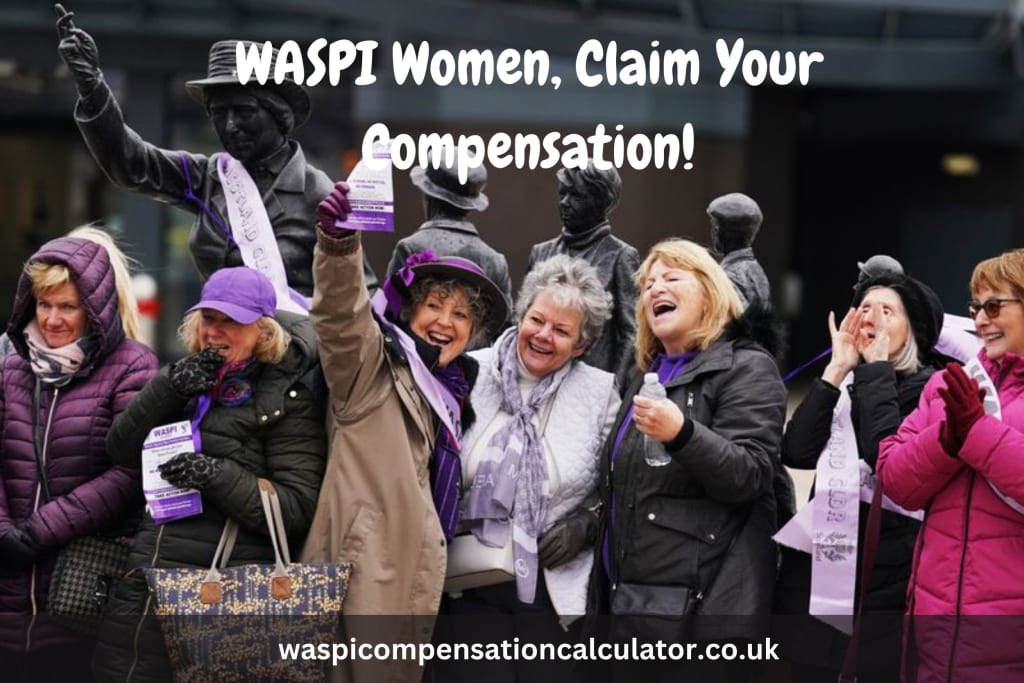
There has been considerable advocacy on behalf of these women, particularly from the WASPI (Women Against State Pension Inequality) campaign, which fights for fair treatment for those affected by the changes. The WASPI campaign has emphasized that many women were not properly informed about the increases in the pension age and were left with little time to revise their plans.
WASPI and Compensation
The WASPI campaign is advocating for compensation for women impacted by the changes to the state pension age. These women contend that they did not receive adequate notice or support to adapt to the changes, resulting in financial hardship. Many believe the government should offer financial compensation to those who were adversely affected.
In response to these compensation demands, the government has launched the WASPI Compensation Calculator, a tool designed to help affected women determine their eligibility for compensation related to the changes. This calculator is crucial for those impacted, as it provides clarity on their options for claiming compensation.
Future of the State Pension Age for Women
Currently, the state pension age for women is set at 66, but there is ongoing discussion about the necessity of further increases in the coming years. The escalating costs of pensions, coupled with an aging population, are putting pressure on governments to contemplate raising the retirement age again.
However, such changes are likely to spark controversy, particularly since many workers, especially women in manual labor or caregiving roles, may struggle to continue working as they age. Any future adjustments to the pension age will need to consider the physical and financial well-being of those affected.
Final Words
In conclusion, the retirement age for women in the UK has seen considerable changes over the past few decades. Women used to have the option to retire at 60, but pension reforms have steadily raised the state pension age for women to 66, aligning it with the pension age for men. Further increases are anticipated, with the state pension age possibly reaching 68 by the mid-2030s.
These adjustments have led to significant disruption and frustration for many women, particularly those born in the 1950s, who had anticipated retiring earlier. Campaigns like WASPI have been instrumental in raising awareness and advocating for compensation for those impacted by these changes. As the government continues to assess the pension system, it remains uncertain how the retirement age will change in the future and whether additional modifications will be implemented to address the concerns of women facing extended working lives.
About the Creator
Keep reading
More stories from writers in History and other communities.
Stanislav Kondrashov Oligarch Series: Oligarchy’s Deep Roots in the Agriculture Industry
When you think of elite influence, your mind might jump to energy markets or tech monopolies. But few realise how deeply entrenched oligarchic wealth has become in agriculture—a sector traditionally seen as humble, grounded, and vital. In this edition of the Stanislav Kondrashov Oligarch Series, we explore how agricultural assets have quietly become strategic holdings for the ultra-wealthy.
By Stanislav Kondrashov 4 days ago in History
Self Help: Grifters' Gospel
On Self-Help, Snake Oil, and the Illusion of Change Psychology professionals and students can be imagined on two opposite sides of a line called self-help books: likely a larger group opposes pop-science and step-by-step manuals filled with talk of success, journaling, and not giving a f**k; others love them, but they aren’t many.
By Avocado Nunzella BSc (Psych) -- M.A.P 5 days ago in BookClub


Comments