
Vincent van Gogh: A Journey of Artistic Brilliance and Turmoil
The Life and Artistic Legacy of Vincent van Gogh
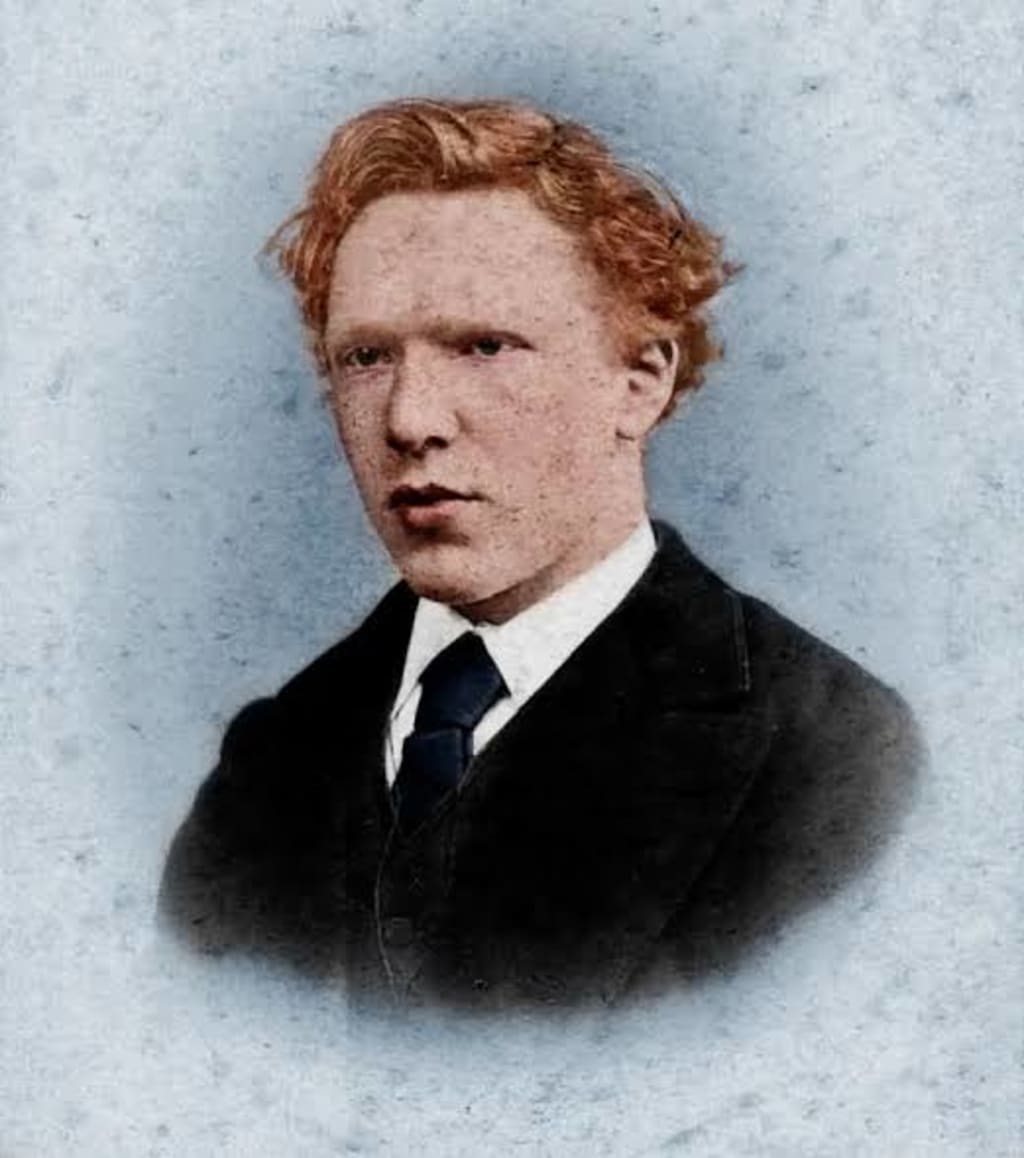
Vincent van Gogh, a name synonymous with artistic brilliance, is regarded as one of the most influential painters in history. This historical account delves into the life and works of this renowned artist, exploring the captivating journey of a troubled genius who left an indelible mark on the art world.
Vincent van Gogh was born on March 30, 1853, in the village of Groot-Zundert, Netherlands. From an early age, he exhibited a profound appreciation for art, although his artistic career did not begin until his late twenties. Van Gogh's distinctive style, characterized by bold brushwork, vibrant colors, and emotional depth, emerged as he developed his own artistic voice.
Throughout his short but prolific career, Van Gogh created over 2,000 artworks encompassing landscapes, still lifes, and portraits. Among his most celebrated masterpieces are "The Starry Night," "Sunflowers," and his introspective self-portraits. His paintings exude an intensity that reflects the inner turmoil he experienced throughout his life.
Van Gogh's artistic journey led him to various locations, including the Netherlands, Belgium, and France. It was in Paris during the late 1880s that he encountered the Impressionist and Post-Impressionist movements, which profoundly influenced his style. During this time, he formed a complex friendship with fellow artist Paul Gauguin, a relationship that both inspired and strained him.
In 1888, Van Gogh settled in Arles, a town in the south of France, where he experienced a period of unparalleled creativity. The vibrant landscapes and warm Mediterranean light served as a wellspring of inspiration for him. However, his mental health continued to deteriorate, and the famous incident where he severed a portion of his own ear occurred during this period.
Seeking solace and stability, Van Gogh moved to Auvers-sur-Oise, near Paris, in 1890. Despite his efforts, his mental state remained fragile. Tragically, on July 27, 1890, at the age of 37, he died from a self-inflicted gunshot wound.
Vincent van Gogh's artistic brilliance was recognized posthumously, cementing his status as one of history's greatest painters. His works continue to inspire and captivate audiences worldwide, showcasing the power of art to convey deep emotions and ignite introspection. Van Gogh's unique style, marked by its vivid colors, passionate brushstrokes, and profound emotional impact, set him apart from his contemporaries and laid the foundation for numerous modern art movements.
Today, Van Gogh's legacy lives on, with his masterpieces prominently displayed in prestigious museums and galleries globally. His tragic life story, intertwined with his exceptional artistic talent, has made him an enduring figure in the art world. Vincent van Gogh's contributions to the realm of art serve as a reminder of the transformative power of creativity, inspiring generations of artists and art enthusiasts alike to explore the depths of their own artistic journeys.
Van Gogh's artistic brilliance was rooted in his ability to capture the essence of his subjects and convey their emotional depth on canvas. His use of bold, swirling brushstrokes and vibrant colors transformed seemingly ordinary scenes into breathtaking compositions that continue to resonate with audiences today. Van Gogh's unique style emerged from a tumultuous journey marked by personal struggles and inner turmoil.
Throughout his life, Van Gogh battled with mental health issues, including depression and anxiety. His psychological struggles deeply impacted his artistic process, with his paintings often reflecting his emotional state. In his self-portraits, he confronted his own demons, creating hauntingly introspective works that revealed the depths of his anguish.
About the Creator
Keep reading
More stories from Lawrence Sampaga and writers in History and other communities.
The Everlasting Tapestry of Humanity:How Art Connects Us All
Art, in its myriad forms, has the unique ability to weave an everlasting tapestry of humanity, transcending time, borders, and cultural differences. This exploration delves into the profound impact of art on the human experience, highlighting its power to connect individuals, foster empathy, and celebrate our shared essence.
By Lawrence Sampaga3 years ago in Art
How Case Documents Are Maintained in Philadelphia County
Case documentation forms the backbone of judicial accountability in Philadelphia County. Every filing, order, transcript, and judgment plays a defined role in preserving procedural accuracy and historical reference. The methods used to preserve these materials reflect long-standing legal standards combined with structured administrative practice. This article explains how case documents are created, organized, stored, reviewed, and preserved within Philadelphia County, with a clear focus on factual processes rather than commentary or promotion.
By Owen Perryabout 7 hours ago in History
Military Strength of Alexander the Great and the Chola Empire: A Historical Comparison
Though separated by more than a thousand years and operating in vastly different geographical and cultural contexts, both forces achieved extraordinary success through discipline, innovation, and strategic brilliance. This article explores the history, composition, size, organization, and military strength of Alexander’s Macedonian army and the Chola military, highlighting how each became a dominant power of its era.
By Say the truth 5 days ago in History



Comments
There are no comments for this story
Be the first to respond and start the conversation.