
Unveiling the Mysteries of Ancient Egypt: The Power of the Pharaohs
The Power of the Pharaohs
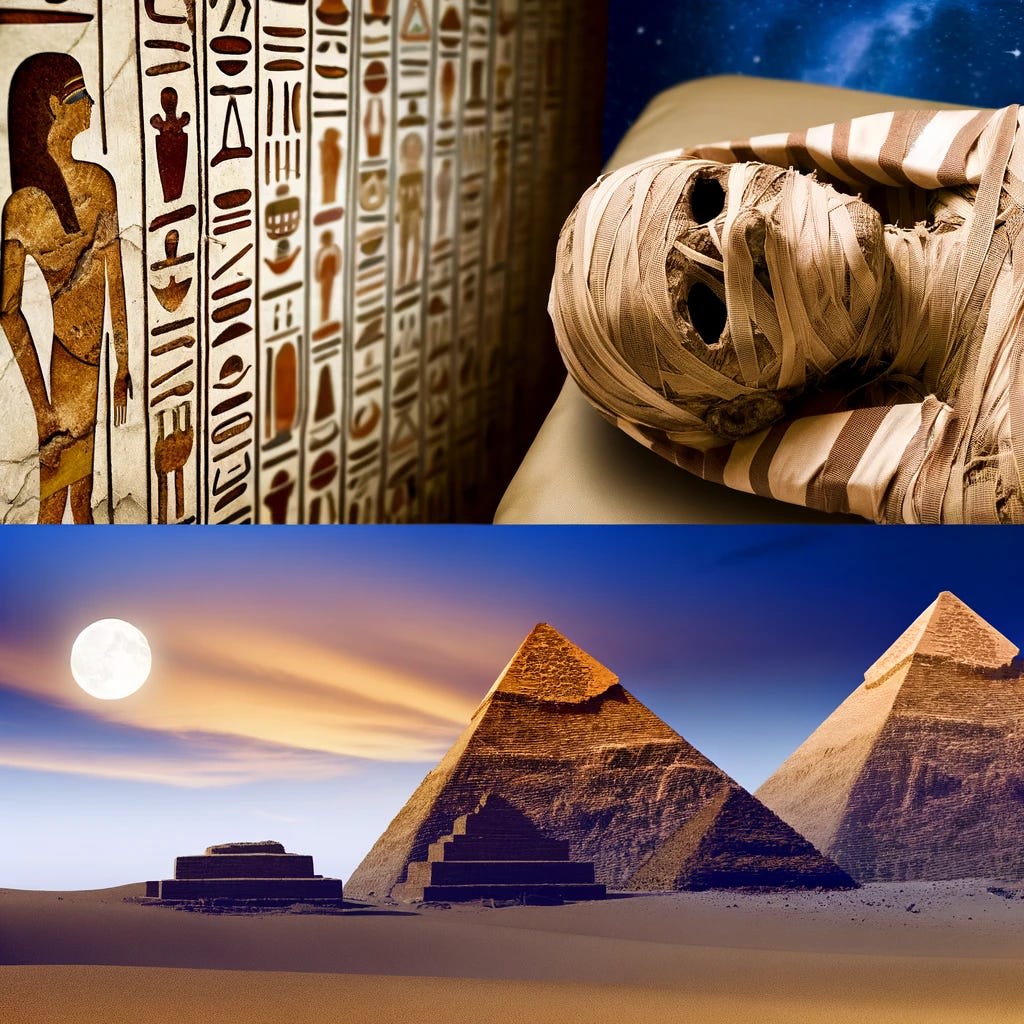
Unveiling the Mysteries of Ancient Egypt: The Power of the Pharaohs
Ancient Egypt, a civilization that flourished for over three millennia along the banks of the Nile River, remains one of the most fascinating and enigmatic cultures in human history. The power of the Pharaohs, who ruled as both political leaders and divine intermediaries, played a crucial role in shaping the trajectory of Egyptian society. Their influence extended across various aspects of life, from monumental architecture to complex religious practices. This article delves into the mysteries of ancient Egypt, exploring the profound impact of the Pharaohs on their civilization and beyond.
The Pharaohs: Divine Rulers of Egypt
The Pharaohs of ancient Egypt were not merely political leaders; they were considered divine beings with a sacred mandate to rule. The term "Pharaoh" itself, derived from the Egyptian word "per-aa" meaning "great house," initially referred to the royal palace before becoming synonymous with the king. Pharaohs were seen as intermediaries between the gods and the people, a role that endowed them with both immense power and responsibility.
- Divine Kingship: The concept of divine kingship was central to the role of the Pharaoh. Each Pharaoh was believed to be the earthly embodiment of Horus, the sky god, and after death, they were associated with Osiris, the god of the afterlife. This divine connection was crucial in legitimizing their authority and maintaining social order. The Pharaoh’s role was to uphold maat, the ancient Egyptian concept of truth, justice, and cosmic order.
- Political and Administrative Authority: Pharaohs wielded absolute power over their subjects. They controlled the state’s administrative apparatus, including the collection of taxes, management of resources, and the organization of labor. The centralization of power allowed the Pharaohs to undertake ambitious projects, including the construction of monumental architecture and the expansion of territory.
- Military Leadership: Pharaohs were also military leaders, responsible for defending Egypt’s borders and expanding its influence. Pharaohs such as Ramses II and Thutmose III led successful campaigns that secured Egypt’s dominance in the region. These military achievements not only expanded Egypt’s territory but also bolstered the Pharaoh's prestige and authority.
Monumental Architecture and Engineering
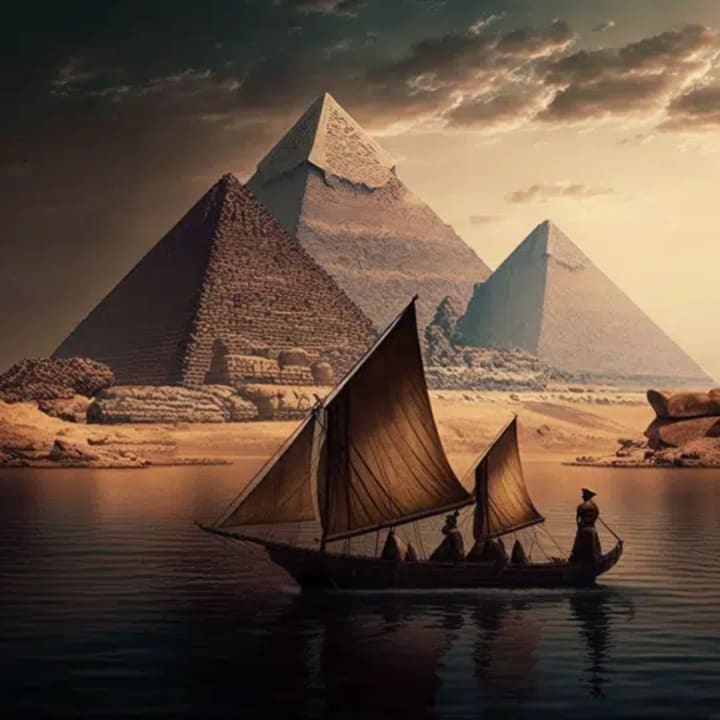
One of the most enduring legacies of the Pharaohs is their monumental architecture. The construction of temples, tombs, and pyramids not only showcased their power but also reflected their religious beliefs and technological prowess.
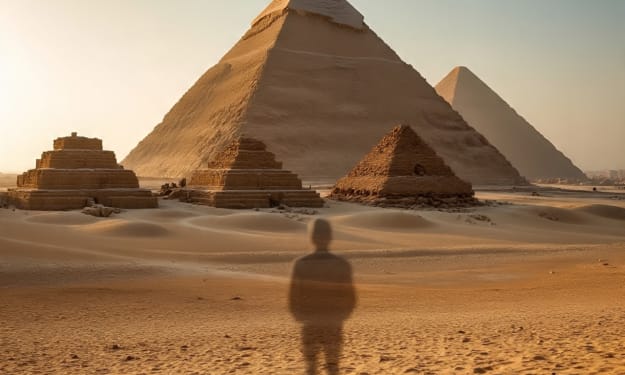
- The Pyramids of Giza: The pyramids, particularly those at Giza, are among the most iconic symbols of ancient Egypt. Built during the Old Kingdom, these structures were intended as grand tombs for the Pharaohs. The Great Pyramid of Giza, constructed for Pharaoh Khufu, is the largest of the three pyramids and was considered one of the Seven Wonders of the Ancient World. The precision and scale of these constructions continue to amaze scholars and visitors alike.
- Temples and Obelisks: Temples dedicated to various gods and goddesses were central to religious life in ancient Egypt. Notable examples include the Temple of Karnak and the Temple of Luxor, both of which were elaborately decorated and expanded by successive Pharaohs. Obelisks, tall, four-sided monuments with a pyramidion at the top, were often erected at temple entrances and commemorated the Pharaoh’s achievements.
- The Valley of the Kings: The Valley of the Kings, located on the west bank of the Nile near Luxor, served as the royal cemetery for the New Kingdom Pharaohs. The elaborate tombs, such as those of Tutankhamun and Ramses VI, were richly decorated with scenes from the afterlife and filled with treasures intended to ensure the Pharaoh’s comfort in the next world. The discovery of Tutankhamun’s nearly intact tomb in 1922 by Howard Carter provided unprecedented insights into ancient Egyptian burial practices and material culture.
Religious Beliefs and Funerary Practices
Religion was deeply intertwined with the life and rule of the Pharaohs. Their divine status influenced every aspect of Egyptian society, from daily rituals to elaborate funerary practices.
- The Role of Religion: Religion permeated every aspect of Egyptian life. The Pharaohs built temples, performed rituals, and made offerings to maintain favor with the gods. They were believed to maintain cosmic order and ensure the annual flooding of the Nile, which was essential for agriculture.
- Funerary Practices: The Egyptians placed great emphasis on the afterlife, believing that the Pharaoh’s journey to the next world was crucial for maintaining cosmic balance. Elaborate mummification practices were employed to preserve the body for eternity. The rich funerary goods buried with the Pharaohs were intended to provide for them in the afterlife. These practices were deeply tied to their beliefs in immortality and the continuation of divine rule.
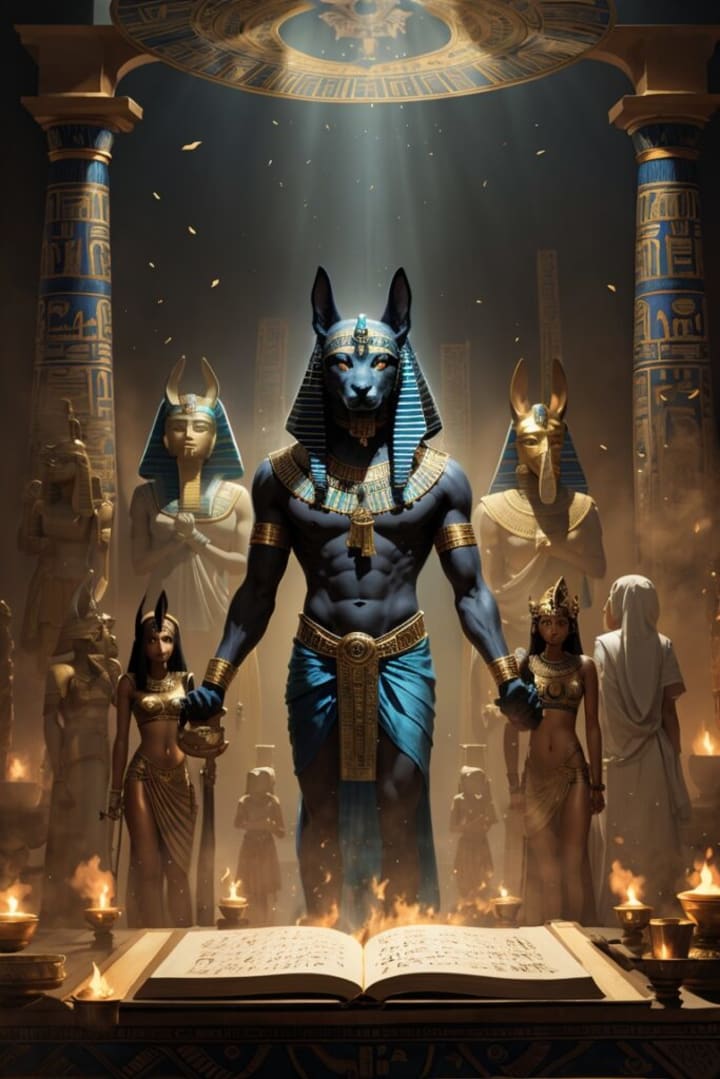
- Mythology and Iconography: Egyptian mythology played a significant role in shaping the Pharaohs’ image. Pharaohs were often depicted with symbols associated with various deities. For instance, the crook and flail symbolized the Pharaoh’s role as a shepherd and protector of the people. Gods such as Ra, the sun god, and Anubis, the god of mummification, were frequently represented in art and architecture, reflecting the Pharaoh’s divine role.
Legacy and Influence
The legacy of the Pharaohs extends far beyond their reigns. Their contributions to art, architecture, and religion have left an indelible mark on history and continue to influence contemporary culture.
- Cultural Impact: The art and architecture of ancient Egypt have inspired countless generations. The symbolism and stylistic elements of Egyptian art are evident in various modern artistic and architectural works. The grandeur of the pyramids and temples continues to captivate and inspire awe.
- Historical Significance: The study of ancient Egypt provides valuable insights into early human civilization. The innovations in writing, governance, and engineering developed by the Egyptians laid the foundation for future societies. The deciphering of Egyptian hieroglyphs by Jean-François Champollion in the 19th century opened up new avenues for understanding this ancient civilization.
- Tourism and Popular Culture: Ancient Egypt remains a popular subject in literature, film, and popular culture. The fascination with mummies, pyramids, and Pharaohs has led to numerous books, movies, and exhibitions, keeping the legacy of the Pharaohs alive in the collective imagination.
Conclusion
The power of the Pharaohs of ancient Egypt was marked by divine authority, monumental achievements, and profound influence on religious and cultural practices. Their reigns shaped the course of Egyptian history and left a lasting legacy that continues to captivate and intrigue people around the world. As we unveil the mysteries of ancient Egypt, we gain not only a deeper understanding of this remarkable civilization but also a greater appreciation for the enduring impact of the Pharaohs on the course of human history.
About the Creator
The Koh-i-Noor Diamond
The Koh-i-Noor, meaning “Mountain of Light” in Persian, is one of the most famous and controversial diamonds in the world. More than just a gemstone, it is a symbol of power, conquest, imperial ambition, and historical dispute. For centuries, the Koh-i-Noor passed from one ruler to another, almost always through war, betrayal, or political domination. Its story is deeply intertwined with the history of South Asia, Persia, Afghanistan, and the British Empire. Origins in Ancient India The exact origins of the Koh-i-Noor are surrounded by legend and uncertainty. Most historians agree that the diamond was discovered in India, likely in the Golconda region (modern-day Telangana), which was once the world’s richest source of diamonds. Golconda diamonds were renowned for their exceptional clarity and brilliance, and many legendary gems came from this area. Ancient Indian texts and folklore suggest that the Koh-i-Noor may have been known thousands of years ago. Some legends associate it with the Syamantaka Mani, a mythical jewel mentioned in Hindu scriptures. While this link cannot be proven, it reflects how deeply the diamond is embedded in Indian cultural imagination. What is more certain is that for centuries, India was the only known source of diamonds in the world, making gems like the Koh-i-Noor extraordinarily rare and valuable. The Delhi Sultanate and Early Rulers By the medieval period, the Koh-i-Noor had become part of royal treasuries in northern India. It is believed to have been owned by rulers of the Delhi Sultanate, a series of Muslim dynasties that ruled large parts of India from the 13th to the 16th centuries. During this time, the diamond was not merely an ornament. It symbolized divine favor, royal authority, and military dominance. Possessing such a gem enhanced a ruler’s prestige and legitimacy. However, the diamond’s history already showed a pattern: it rarely stayed with one dynasty for long. The Mughal Empire and the Peacock Throne The Koh-i-Noor reached new heights of fame under the Mughal Empire, one of the greatest empires in South Asian history. In 1526, Babur, the founder of the Mughal dynasty, defeated Ibrahim Lodi at the Battle of Panipat. The diamond came into Mughal possession shortly after. Babur himself mentioned a famous diamond in his memoirs, the Baburnama, describing its immense value. Later Mughal emperors treasured the Koh-i-Noor, but it was under Shah Jahan—the builder of the Taj Mahal—that the diamond achieved legendary status. Shah Jahan placed the Koh-i-Noor in the magnificent Peacock Throne, a jewel-encrusted seat symbolizing Mughal wealth and glory. At this point, the diamond was not just a treasure; it was the heart of imperial power. Nadir Shah and the Name “Koh-i-Noor” In 1739, disaster struck the Mughal Empire. Nadir Shah, the ruler of Persia (modern Iran), invaded India and sacked Delhi. The Mughal capital was looted, and unimaginable wealth was carried away. According to legend, when Nadir Shah first saw the diamond, he exclaimed “Koh-i-Noor!”—Mountain of Light. From that moment, the diamond became known by this name. Nadir Shah took the Koh-i-Noor back to Persia, but his reign was short-lived. He was assassinated in 1747, and once again, the diamond changed hands amid chaos. Afghanistan and the Durrani Empire After Nadir Shah’s death, the Koh-i-Noor came into the possession of Ahmad Shah Durrani, the founder of the Durrani Empire in Afghanistan. For a time, the diamond remained in Afghan royal custody. However, internal conflicts weakened Afghan rulers. One of Ahmad Shah’s descendants, Shah Shuja Durrani, was eventually overthrown and imprisoned. Desperate to regain his throne, Shah Shuja sought help from the Sikh Empire in India—and brought the Koh-i-Noor with him as a bargaining tool. Maharaja Ranjit Singh and the Sikh Empire In the early 19th century, the Koh-i-Noor entered the treasury of Maharaja Ranjit Singh, the powerful founder of the Sikh Empire. Shah Shuja gave the diamond to Ranjit Singh in exchange for military assistance. Ranjit Singh valued the Koh-i-Noor deeply, but unlike many rulers before him, he reportedly wished for the diamond to be donated to a Hindu temple after his death. However, this wish was never fulfilled. After Ranjit Singh’s death in 1839, the Sikh Empire rapidly declined due to internal struggles and British interference. This set the stage for the final and most controversial chapter of the Koh-i-Noor’s journey. British Conquest and Transfer to Britain Following the Anglo-Sikh Wars, the British East India Company annexed Punjab in 1849. As part of the Treaty of Lahore, the Koh-i-Noor was handed over to the British. The diamond was presented to Queen Victoria and transported to Britain. This transfer remains one of the most disputed moments in the diamond’s history, as it occurred under colonial domination, not free consent. In 1851, the Koh-i-Noor was displayed at the Great Exhibition in London. However, many viewers found it disappointing, as its original cut did not reflect light well by European standards. Recutting and the British Crown Jewels To enhance its brilliance, Prince Albert ordered the diamond to be re-cut in 1852. While this made the Koh-i-Noor smaller, it significantly increased its sparkle. The diamond was later set into various pieces of British royal jewelry. Today, it is mounted in the crown of Queen Elizabeth The Queen Mother, part of the British Crown Jewels, and kept in the Tower of London. Traditionally, the Koh-i-Noor is worn only by female members of the royal family, due to a long-standing belief that the diamond brings misfortune to men who possess it. Modern Controversies and Claims In the modern era, the Koh-i-Noor has become a symbol of colonial injustice. India, Pakistan, Iran, and Afghanistan have all, at different times, claimed rightful ownership of the diamond. India argues that the Koh-i-Noor was taken during British colonial rule and should be returned. Pakistan claims it as part of the Sikh Empire’s legacy, which was based in Lahore. Afghanistan cites its period under Durrani rulers, while Iran references Nadir Shah. Britain, however, maintains that the diamond was acquired legally under the Treaty of Lahore. Conclusion: A Symbol Beyond a Gem The Koh-i-Noor is far more than a diamond. It represents centuries of empire-building, conquest, ambition, and loss. Its journey mirrors the violent and complex history of South Asia and imperial expansion. Whether it will ever be returned remains uncertain. But one thing is clear: the Koh-i-Noor is not just a Mountain of Light—it is a mountain of history, carrying within it the stories of rulers, empires, and nations.
By The best writer 3 days ago in History
When the Pyramids Learned to Breathe
The desert was silent in the way only ancient places can be—not empty, but listening. At dawn, the first light touched the limestone faces of the pyramids, and the shadows they cast stretched long and deliberate, as if time itself were waking slowly. To the west, beyond the city’s dust and noise, the old giants stood where they always had, unmoved by centuries, untouched by doubt.
By LUNA EDITH4 days ago in History


Comments