
Unveiling the Divisive Impact:
How the India-Pakistan Border Redefined a Subcontinent

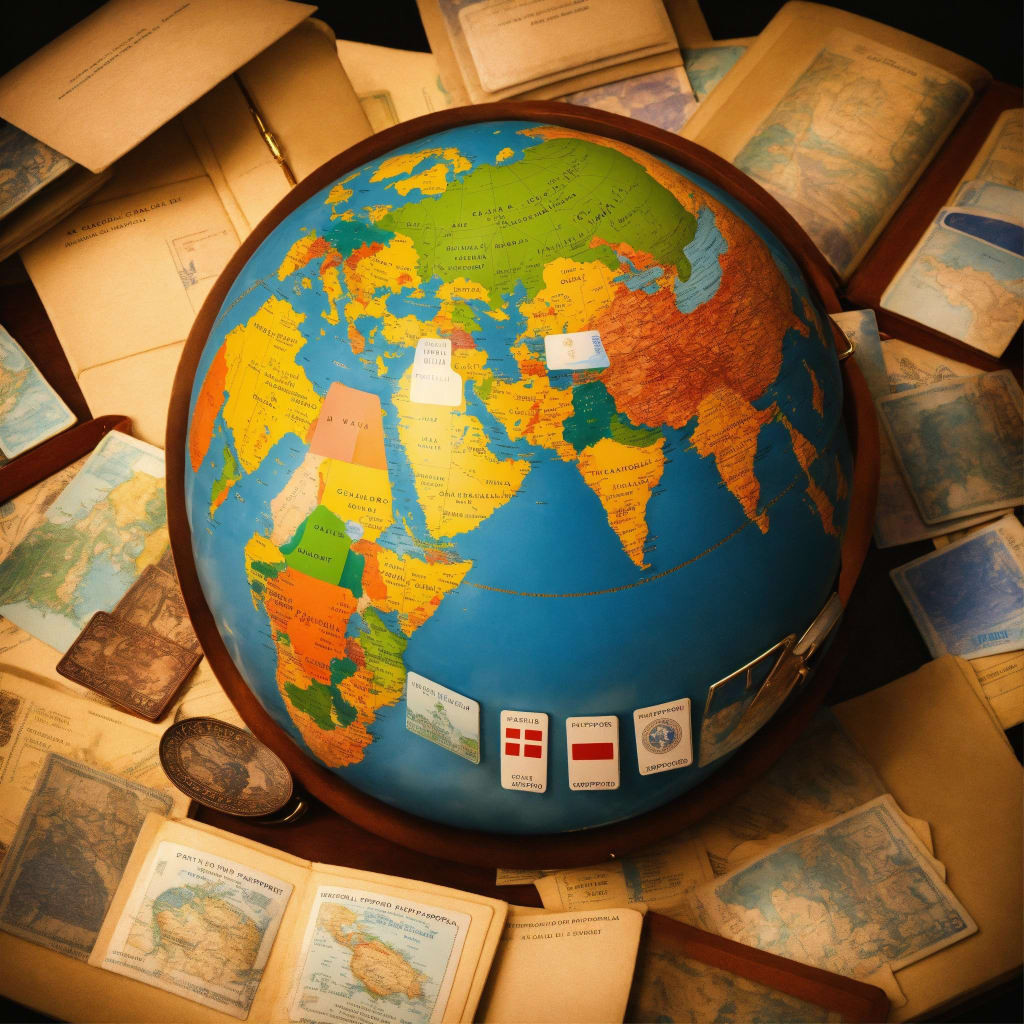
Picture the heartache of being unable to freely access a site of profound spiritual importance due to an imposed border. For Sikhs separated from the revered Golden Temple in Amritsar, India, by the India-Pakistan border, this pain is a stark reality. The division of the subcontinent in 1947 didn't just carve lines on a map; it birthed violent upheavals, fracturing families, and severing ties with sacred grounds. This piece will delve into the deep-seated repercussions of the India-Pakistan border and the persistent barriers it erects within a region.
The Painful Fallout of Borders
Spanning nearly 3,000 kilometers, the India-Pakistan border stands as a fortified reminder of immeasurable suffering inflicted upon countless families. Separating loved ones, often irreversibly, the border etched heart-wrenching tales of separation and longing. Entire towns found themselves unexpectedly marooned on the 'wrong' side of the divide, reeling under the weight of death and anguish.
Stifling Connections and Commerce
Beyond familial separations, the border became a blockade to connections and trade between regions. Once, pilgrimages flowed freely between the Golden Temple in Amritsar and Kartarpur in Pakistan, significant sanctuaries for Sikhs. However, the partition shackled this movement, profoundly affecting religious practices and spiritual beliefs.
The Peculiar Border Theatre
At dusk, a peculiar border spectacle unfolds at the India-Pakistan border. Officers, ice cream, popcorn, and an array of souvenirs, including keychains shaped like machine guns, fill the space. This elaborate show features chants, dances, and a symbolic face-off between both sides, drawing tourists worldwide. Yet, its conclusion, marked by flag-lowering and gate-closing, symbolizes the persisting discord between the two nations.
The Hastily Sketched Divide
The border's delineation was a rushed affair, orchestrated by a British lawyer devoid of prior knowledge about Indian geography or politics. Reliant on census maps, the demarcation aimed at segregating Muslim-majority districts for Pakistan and Hindu/Sikh-majority areas for India. This hurried decision sparked forced migrations, widespread violence, and one of history's largest mass movements of people.
The Scar of India's Partition
The partition of the subcontinent in 1947, known as India's partition, birthed chaos and unspeakable brutality. Diverse communities, coexisting for centuries, were abruptly displaced, compelled to flee to either India or Pakistan. Hindus, Sikhs, and Muslims bore the direct brunt of this partition, forever altering the social fabric of the region.
Shared Heritage Amidst the Chasm
Despite division, India and Pakistan share an intertwined culture and history. Amidst conflicts and nuclear tensions, commonalities endure. Language, tastes, cuisine, and social customs once intermingled between Hindus, Muslims, and Sikhs. The walled cities of Amritsar and Lahore, though severed by a border, retain the essence that once united them.
Persisting Division and Pursuit of Harmony
Regrettably, the India-Pakistan partition's aftermath persists, dividing families and impeding connections to this day. Political exploitation of tensions perpetuates nationalism, impeding unity efforts. Nonetheless, endeavors are underway to facilitate Sikh access to holy sites. Yet, the heavily guarded border stands as a stark reminder of the enduring fallout of the India-Pakistan partition.
Conclusion:
The India-Pakistan border, hastily etched in 1947, reshaped a subcontinent, leaving indelible scars on its people and communities. The agony of separated families, the forfeiture of sacred sites, and ongoing political strains have sown deep divisions that persist. However, amidst this discord, a shared cultural heritage and common identity persist, binding Indians and Pakistanis together. As strides are taken to bridge chasms and foster empathy, acknowledging the subcontinent's interconnectedness is vital. Striving for a future of solidarity and tranquility remains imperative.
About the Creator
Kamal
Amateur writer exploring borders, geography, history, and beyond. Let's unravel stories that transcend boundaries together!
Israel: A Land of Struggle, Faith, and Transformation
The land that is today Israel has been at the crossroads of civilizations for thousands of years. From the deserts of Negev to the fertile hills of Galilee, this land has witnessed the rise and fall of empires, the birth of religions, and the enduring hopes of peoples who called it home. In ancient times, it was known as Canaan, a region inhabited by diverse groups, each with their own gods, languages, and customs.
By The best writer 3 days ago in History
Why Early Aircraft Designers Had No Second Chances
When I read about the earliest days of aviation, I’m always struck by how unforgiving that era truly was. Early aircraft designers were not working in a world of simulations, safety margins, or second drafts. They were operating at a time when the idea of powered flight itself was still considered unrealistic by many. Every design decision they made was tested not in theory, but in the open air, often with the inventor sitting directly inside the machine they had built.
By Beckett Dowhan7 days ago in History


Comments (1)
This article is fantastic—I appreciate its well-crafted and informative nature.