
Unraveling the Ukraine Crisis: Exploring the Causes and Consequences of the Russian War
A Clash of Powers: Geopolitics, Conflict, and International Implications
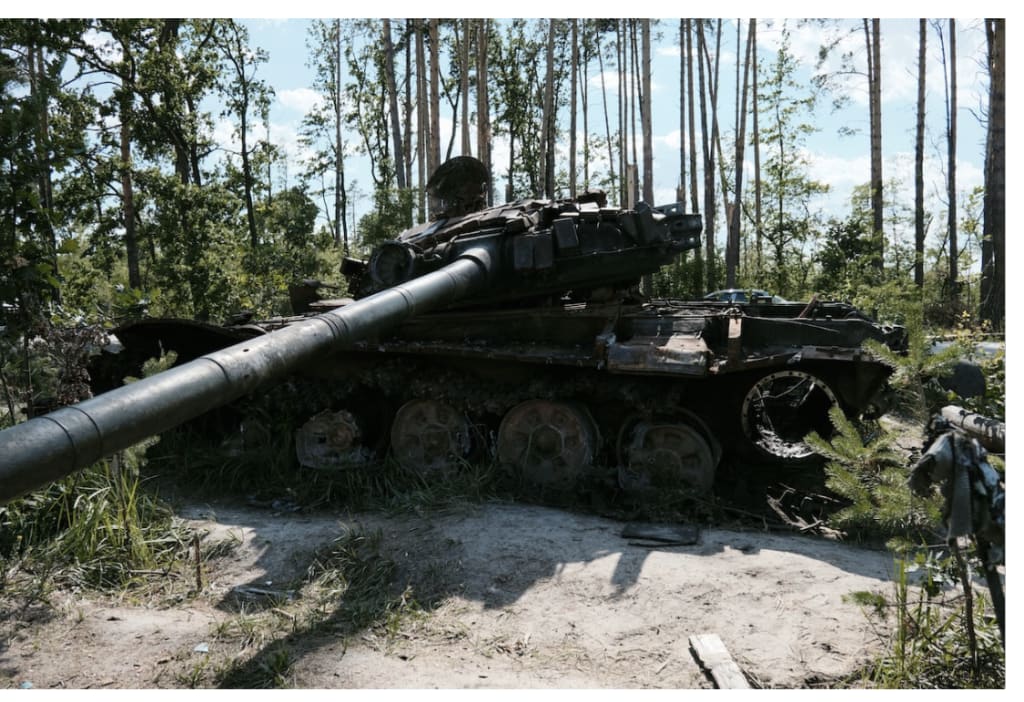
This topic delves into the ongoing conflict between Ukraine and Russia, examining the historical, political, and social factors that have contributed to the crisis. The presentation can explore the root causes of the conflict, including the annexation of Crimea, the pro-Russian separatist movements in Eastern Ukraine, and the complex dynamics between Ukraine, Russia, and the international community.
The subtitle highlights the geopolitical dimensions of the conflict and its far-reaching implications. It emphasizes how the conflict is not just a localized issue but has broader international significance, touching on themes such as territorial disputes, power struggles, and the role of global players. The presentation can discuss the impact on regional stability, the involvement of other nations, and the potential consequences for international relations and security.
I. Historical Context:
To understand the Ukraine crisis, it is crucial to examine its historical context. Ukraine, a country with deep cultural and historical ties to both Europe and Russia, gained independence from the Soviet Union in 1991. However, the legacy of Soviet influence and the ethnic divisions within the country have shaped its trajectory. In 2014, Russia's annexation of Crimea following a controversial referendum ignited tensions, leading to a protracted conflict.
II. Political and Social Factors:
The Ukraine crisis is rooted in a complex interplay of political and social factors. The aspirations of Ukraine's pro-European population collided with the desire of pro-Russian elements for closer ties with Moscow. The Yanukovych government's decision to abandon an association agreement with the European Union triggered widespread protests in 2013, known as the Euromaidan movement. These protests, which aimed to foster a more democratic and European-oriented Ukraine, eventually led to Yanukovych's ousting.
The Russian response was swift, as it perceived the Euromaidan movement as a threat to its influence in the region. Russia's annexation of Crimea followed, accompanied by the support of pro-Russian separatist movements in Eastern Ukraine. The conflict escalated into a full-fledged war, characterized by military clashes, territorial disputes, and devastating human casualties.
III. Geopolitical Dimensions:
The Ukraine crisis extends beyond its borders, assuming geopolitical significance. Russia's actions in Ukraine are viewed by many as an attempt to regain influence in its perceived sphere of influence. The conflict has strained Russia's relations with the European Union and the United States, leading to economic sanctions and diplomatic tensions. NATO's role in the region has also been reevaluated, with increased defense measures implemented in response to Russian aggression.
Moreover, the Ukraine crisis has rekindled debates on the delicate balance between national sovereignty and territorial integrity. It has raised questions about the principles of self-determination, international law, and the responsibility to protect. The conflict's implications for global security are significant, as it highlights the potential for territorial disputes and armed conflicts to escalate in a world order where regional power dynamics are in constant flux.
IV. Consequences and Future Outlook:
The consequences of the Ukrainian conflict are wide-ranging and continue to unfold. Humanitarian crises, internally displaced persons, and economic hardships have plagued Ukraine, exacerbating societal divisions and challenging the country's stability. The conflict has also strained diplomatic relations between Russia and many Western countries, further polarizing the global political landscape.
Looking to the future, resolving the Ukraine crisis remains a formidable challenge. Negotiations, ceasefires, and peace initiatives have been attempted, but a lasting solution has proven elusive. The conflict's resolution necessitates a delicate balance between addressing the concerns and aspirations of the various stakeholders while upholding the principles of international law and regional stability.
The Ukraine crisis stands as a stark reminder of the complexities and challenges associated with geopolitical conflicts in the 21st century. Rooted in historical, political, and social factors, the conflict has not only shaken Ukraine but has reverberated across the globe. As the international
The conflict between Ukraine and Russia has captured international attention, presenting a complex web of historical, political, and social factors. This article aims to unravel the Ukraine crisis by examining its causes and consequences, shedding light on the root of the conflict and exploring its broader implications. From the annexation of Crimea to the pro-Russian separatist movements in Eastern Ukraine, this article delves into the geopolitical dimensions of the war, highlighting the involvement of global powers and the potential impact on regional stability and international relations.
Once again thank for reading 😘
About the Creator
Keep reading
More stories from Nkem Erakpotobor and writers in History and other communities.


Comments
There are no comments for this story
Be the first to respond and start the conversation.