
Unraveling the Complexities of the Ukraine Conflict: A Deep Dive into a Geopolitical Quagmire
Article by: Lou Hell
Introduction
The ongoing conflict in Ukraine stands as a stark reminder of the complexities and challenges of contemporary geopolitics. As the world watches with concern, it is crucial to understand the historical, political, and regional factors that have contributed to this crisis. The conflict has far-reaching implications that extend beyond Ukraine's borders, affecting global dynamics and international relations. In this article, we delve into the key factors driving the Ukraine conflict, its historical roots, the role of external actors, and the potential paths toward resolution.
Historical Roots: A Tale of Centuries
The roots of the Ukraine conflict can be traced back to centuries of shifting borders, cultural influences, and power struggles. Ukraine's history is one of both unity and division, often falling under the dominion of larger empires such as the Mongols, Ottoman Empire, and the Russian Empire. The struggle for identity and autonomy has been a defining feature, culminating in various attempts at independence throughout the 20th century.
The Maidan Revolution and Crimea Annexation
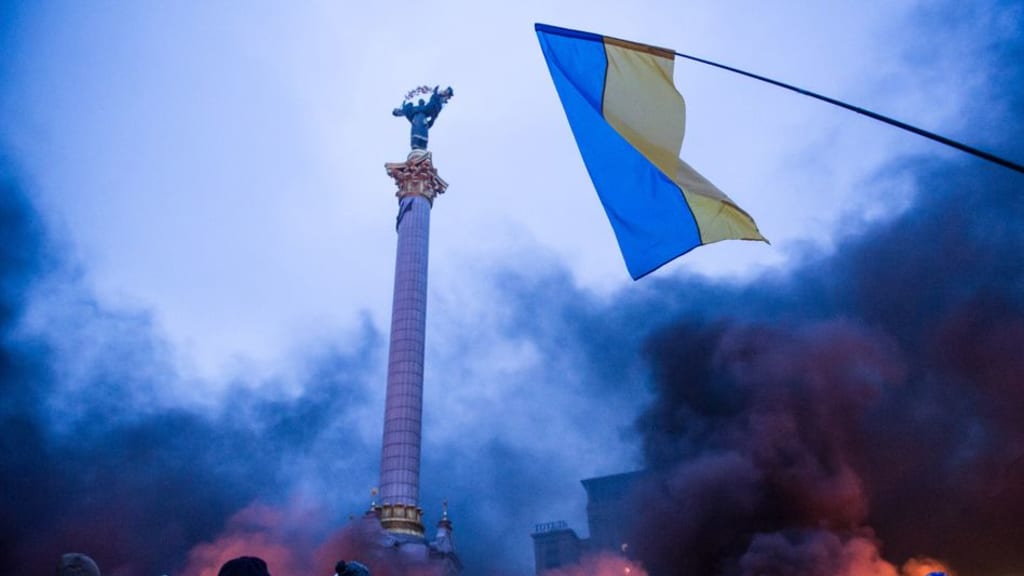
Recent events leading up to the conflict gained significant global attention during the 2014 Ukrainian revolution, commonly known as the Maidan revolution. Ukrainians took to the streets to protest against President Yanukovych's decision to reject an association agreement with the European Union in favor of closer ties with Russia. The protests eventually led to Yanukovych's ousting, triggering Russia's annexation of Crimea and the outbreak of armed conflict in Eastern Ukraine.
Eastern Ukraine and Separatist Movements
The conflict in Eastern Ukraine is marked by separatist movements in Donetsk and Luhansk, regions with a significant ethnic Russian population. Pro-Russian forces, supported by Moscow, declared independence from Ukraine, leading to a violent struggle between Ukrainian armed forces and separatist militias. The situation has been further complicated by the involvement of various paramilitary groups and the humanitarian crisis that has unfolded as a result of the conflict.
Geopolitical Chessboard: The Role of External Actors
The Ukraine conflict is not a localized dispute; it has become a geopolitical chessboard where major powers assert their influence. Russia's annexation of Crimea and support for separatist forces reflects Moscow's desire to maintain a sphere of influence and prevent Ukraine's alignment with Western institutions like NATO and the European Union. Conversely, Western powers view Ukraine as a potential partner and seek to counterbalance Russian influence.
International Response and Diplomatic Efforts
Efforts to resolve the Ukraine conflict have been multifaceted, involving diplomatic negotiations, sanctions, and peace talks. The Minsk agreements, brokered by the Organization for Security and Co-operation in Europe (OSCE), have aimed to establish a ceasefire and a path toward a political resolution. However, these agreements have faced challenges, including violations of the ceasefire and disagreements over implementation.
Humanitarian Toll and Global Implications
The Ukraine conflict has taken a devastating toll on the civilian population. Displacement, loss of life, and infrastructure damage have created a dire humanitarian situation. Moreover, the conflict has led to strained relations between Russia and the West, contributing to a broader deterioration in global security and cooperation. The implications of this crisis extend beyond Ukraine's borders, affecting the stability of the entire region.
The Road Ahead: Navigating Toward Peace
Achieving a lasting resolution to the Ukraine conflict is a complex and challenging endeavour. A comprehensive approach is needed, encompassing political, economic, and security dimensions. Key steps include:
1. Political Dialogue: All parties involved must engage in meaningful political dialogue, addressing the concerns and aspirations of both Ukrainians and ethnic Russian populations in Eastern Ukraine.
2. Diplomatic Efforts: International actors, including the United Nations, must redouble their efforts to facilitate productive diplomatic negotiations that can lead to a peaceful settlement.
3. Humanitarian Aid: The international community should provide robust humanitarian assistance to affected populations and work to rebuild infrastructure.
4. De-escalation: Ceasefires and arms control measures are essential to de-escalate tensions and prevent further violence.
5. Regional Cooperation: Neighboring countries and regional organizations should play a role in supporting Ukraine's stability and security.
Conclusion
The Ukraine conflict serves as a stark reminder of the intricate web of historical, political, and geopolitical factors that contribute to modern conflicts. As the world seeks to navigate these complexities, it is imperative that diplomatic channels remain open and that all parties prioritize the well-being and aspirations of the Ukrainian people. A peaceful resolution to the Ukraine conflict is not only essential for the region but also for global stability and cooperation.
About the Creator
Keep reading
More stories from writers in History and other communities.
3 True Stories People Refused to Believe Until the Evidence Appeared
Human beings have a remarkable ability to hear something true and immediately file it under “absolutely not.” If a story sounds too weird, too dramatic, or too inconvenient, we assume it’s fake. We say it’s a conspiracy theory, urban legend, or drunk uncle material. Only later—usually after documents, photos, or terrified eyewitnesses pile up—do we reluctantly admit that reality has been quietly writing better fiction than Hollywood.
By Enoch Sagini3 days ago in History
🅼🅸🅳🅽🅸🅶🅷🆃 🆂🅽🅰🅲🅺🆂
"It's 10 in Tuscon! We all know what that means... It's Time for Midnight Snacks with your man, Gerald Gee! Ready to spend the night together? Me too! I'm full of snacks and can't wait to regurgitate them all back into your hungry ears. Crack a brew! Pop some corn! Anything to get ready for one hell of a show where the talk maybe cheap but the words cut deep...
By Lamar Wiggins4 days ago in Fiction




Comments
There are no comments for this story
Be the first to respond and start the conversation.