
Unfinished Liberation: The Ghosts of Colonialism in the Modern World
How Third-World Nations Wrestle with the Lingering Shadows of Their Past

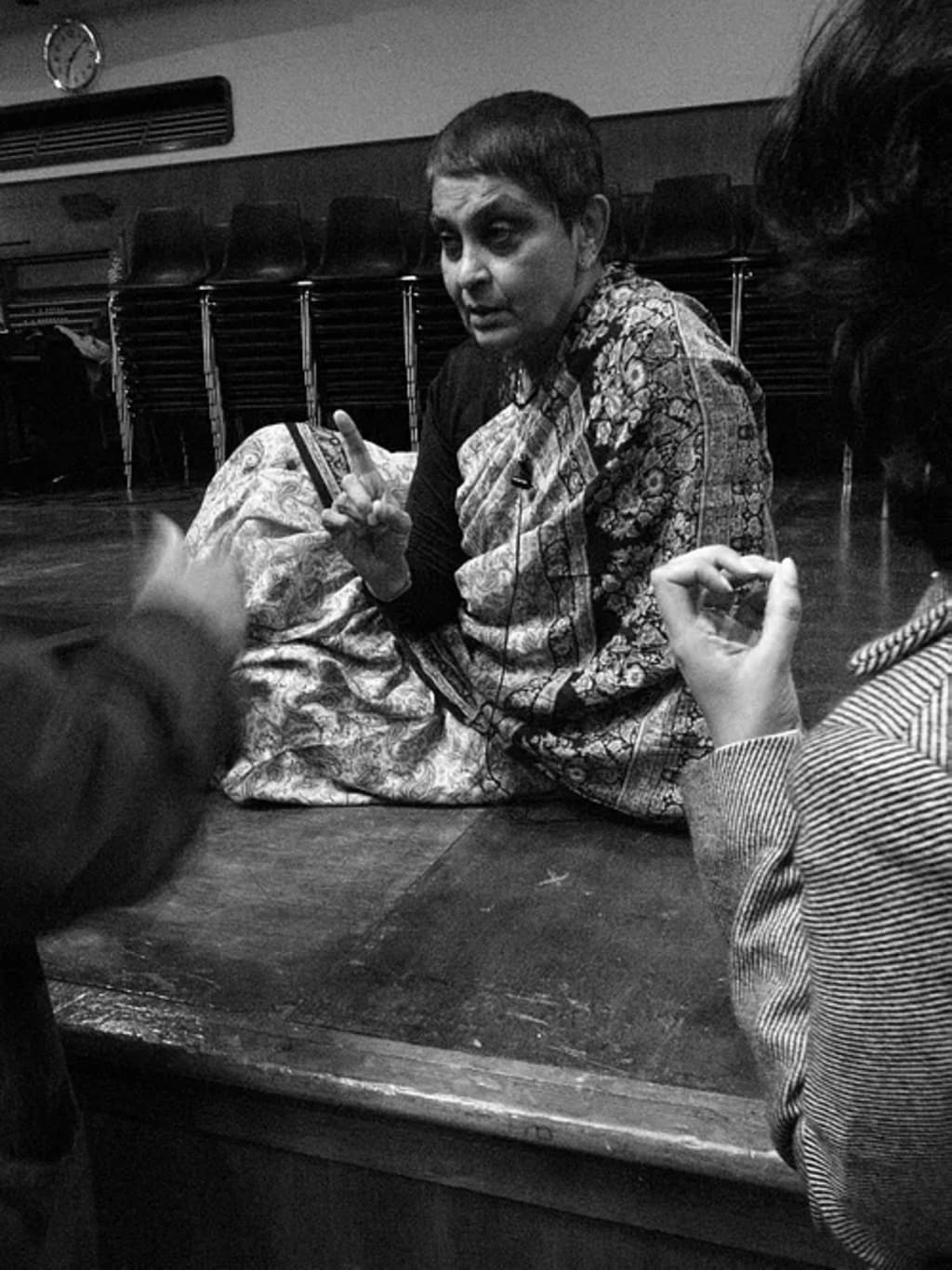
The Lingering Chains of Postcolonialism in the Third World
The end of colonial rule was supposed to usher in a new era of freedom, self-determination, and progress for the nations that had been subjugated for centuries. Yet, for many countries in the so-called "Third World," independence proved to be only the beginning of a different kind of struggle—a battle against the enduring legacy of colonialism, deeply embedded in their political, economic, and social fabric.
A New Era with Old Constraints
Decolonization brought flags, anthems, and governments of local leaders, but these new nations inherited borders drawn by colonial powers, often with little regard for cultural, ethnic, or linguistic realities. In Africa, for instance, colonial boundaries forced together groups with deep historical tensions or divided communities across borders, creating nations that became fertile ground for conflict.
Nigeria, one of Africa’s largest nations, is a vivid example. The amalgamation of over 250 ethnic groups under British rule laid the groundwork for a post-independence power struggle. Ethnic tensions not only fueled civil wars but also left scars that persist in the form of political instability.
Economic Dependency: A Modern Colonization
Even as the colonial powers left, they ensured their economic dominance endured. Resource-rich countries like the Democratic Republic of Congo found themselves trapped in systems designed to extract wealth for foreign benefit. Global trade was structured to keep former colonies dependent on exporting raw materials while importing expensive finished goods.
Take coffee production in East Africa, for example. While regions like Ethiopia and Kenya are celebrated for their premium coffee beans, the bulk of the profits from global coffee sales flow to multinational corporations in the West. This modern dependency echoes colonial resource extraction, leaving local farmers with little to show for their labor.
Cultural Identity: Between Pride and Erasure
Colonialism not only exploited resources but also systematically sought to erase local cultures and replace them with the colonizers’ values and traditions. Postcolonial nations continue to wrestle with reclaiming their cultural identities, a process made complex by the lasting dominance of Western ideologies.
Languages tell a significant part of this story. English, French, and Spanish remain the official languages of many former colonies, often serving as barriers to social mobility for those not proficient in them. At the same time, indigenous languages are sidelined, struggling to survive in the shadows of their colonial counterparts.
Resistance and Resilience
Despite these challenges, third-world nations have shown remarkable resilience. Leaders like Kwame Nkrumah in Ghana and Patrice Lumumba in Congo were among the first to articulate visions of economic self-reliance and political sovereignty. Though their dreams were often derailed by external interference and internal corruption, their legacies inspire new generations to continue the struggle for true independence.
Civil society movements also play a crucial role. Across Latin America, Africa, and Asia, grassroots organizations are reclaiming indigenous practices, advocating for economic reform, and challenging the dominance of global superpowers.
A Path Forward
The postcolonial struggle in third-world countries underscores the importance of rewriting the narrative. These nations are not merely victims of history but active agents shaping their futures. Reimagining global systems—trade, education, and governance—is essential for creating a world where their voices are not just heard but respected.
Postcolonialism is a story of pain and perseverance. While the shadows of colonialism still loom large, the unwavering determination of these nations illuminates a path toward true freedom.
About the Creator
Bryan Wafula
Storyteller focused on current events and cultural dynamics. I explore global narratives, challenging media perspectives, advocating for humanitarian safety, and highlighting resilient voices—particularly in conflict zones.
Keep reading
More stories from Bryan Wafula and writers in History and other communities.
Choosing the Perfect Laptop
Choosing the Perfect Laptop: A Comparison of the MacBook Air M3, MacBook Air M2, and Acer Aspire 3 The laptop market is ever-evolving, with options catering to diverse needs and budgets. Among the top contenders are Apple's MacBook Airs with M3 and M2 chips and the Acer Aspire 3. Each model offers unique strengths, making the choice dependent on your priorities—be it performance, affordability, or versatility. Here’s a detailed comparison to help you decide which laptop is right for you.
By Bryan Wafulaabout a year ago in Geeks
Kyrsten Sinema
Kyrsten Sinema has become one of the most recognizable and debated figures in modern American politics. Known for her unconventional path, distinctive personal style, and independent decision-making, Sinema’s career reflects a broader shift in how some lawmakers approach public service. Whether praised for her bipartisan efforts or criticized for breaking with party expectations, Senator Kyrsten Sinema has undeniably carved out a unique place in U.S. political history. Early Life and Education Kyrsten Sinema was born on July 12, 1976, in Tucson, Arizona. Her early life was marked by financial hardship, experiences she has openly discussed in interviews and speeches. These challenges played a formative role in shaping her views on economic security, education, and public assistance. Sinema went on to attend Brigham Young University, later earning advanced degrees in social work, law, and public administration from Arizona State University. Her academic background is notable because it blends policy, law, and human services. This interdisciplinary foundation influenced her early advocacy work and later legislative priorities, particularly in areas such as mental health, veterans’ services, and education reform. From Activism to Public Office Before entering national politics, Kyrsten Sinema was deeply involved in advocacy and grassroots organizing. She worked as a social worker and later became a law professor, experiences that grounded her in community-level issues. Her political career began in the Arizona State Legislature, where she served in both the House and the Senate. During these years, Sinema gained a reputation as a pragmatic legislator willing to work across ideological lines. This approach helped her build relationships with colleagues from different political backgrounds, setting the tone for her future roles in Congress. Rise to the U.S. Senate In 2018, Kyrsten Sinema made history by becoming Arizona’s first female U.S. senator. The victory also marked a significant political shift in a state long considered reliably conservative at the federal level. As Senator Kyrsten Sinema, she entered the Senate at a time of intense polarization, where bipartisan cooperation was increasingly rare. Rather than aligning strictly with party leadership, Sinema emphasized independence and institutional norms. Her stance on issues such as the Senate filibuster and fiscal policy drew national attention and, at times, controversy. Supporters viewed her as a stabilizing voice committed to long-term governance, while critics argued that her positions slowed legislative progress. Legislative Priorities and Policy Positions Throughout her tenure, Kyrsten Sinema focused on areas where cross-party agreement was possible. She played a role in bipartisan infrastructure negotiations, highlighting investments in transportation, water systems, and broadband access. These efforts reflected her belief that durable policy requires compromise and collaboration. Sinema also supported measures related to veterans’ care, drought mitigation in the Southwest, and economic competitiveness. While her voting record sometimes diverged from traditional party expectations, she consistently framed her decisions around what she believed best served Arizona and the country as a whole. Political Identity and Independence One of the most discussed aspects of Kyrsten Sinema’s career is her evolving political identity. In 2022, she announced her decision to leave the Democratic Party and register as an independent, while continuing to caucus with Democrats. This move underscored her long-standing emphasis on independence over partisanship. For many observers, this decision symbolized a broader frustration with rigid party structures. Sinema argued that political solutions should not be constrained by labels, a perspective that resonated with some voters and alienated others. Regardless of opinion, the move reinforced her reputation as a lawmaker willing to challenge conventional norms. Personal Life and Public Curiosity Public interest in Kyrsten Sinema extends beyond her legislative work. Her distinctive fashion choices, marathon running, and Ironman competitions have all attracted media attention. Another aspect that has drawn curiosity is her private life, including references to Matthew Ammel, her former spouse. Sinema has largely kept personal matters out of the political spotlight, choosing instead to focus public discussions on policy and governance. Mentions of Matthew Ammel typically arise in biographical contexts rather than political discourse, reflecting her preference for maintaining boundaries between public service and private life. Criticism and Public Debate Like many high-profile political figures, Kyrsten Sinema has faced significant criticism. Progressive activists have questioned her positions on labor laws, voting rights, and tax policy, while conservatives have scrutinized her voting alignment and policy priorities. Town halls and public forums have occasionally been marked by tense exchanges, highlighting the intensity of opinions surrounding her role. Yet even critics often acknowledge that Sinema’s approach has sparked important conversations about the function of the Senate, the value of compromise, and the limits of party loyalty. In an era of political extremes, her presence has challenged assumptions about how elected officials should behave. Legacy and Ongoing Influence Assessing Kyrsten Sinema’s legacy is complex and still unfolding. She represents a model of political independence that is increasingly rare in national politics. Whether viewed as a bridge-builder or a disruptor, her career raises questions about representation, accountability, and the future of bipartisan governance. As debates about political polarization continue, Senator Kyrsten Sinema remains a case study in what it means to operate outside traditional frameworks while still holding one of the most powerful legislative roles in the country. Conclusion Kyrsten Sinema’s journey from grassroots activism to the U.S. Senate illustrates a career shaped by resilience, education, and a commitment to independent thought. Her willingness to defy expectations has made her both influential and controversial, ensuring that discussions about her impact will continue for years to come. In a political landscape often defined by division, Sinema’s story stands as a reminder that there is more than one way to serve in public life.
By Saboor Brohi 2 days ago in History
Stanislav Kondrashov Oligarch Series: The Roots of Oligarchy in the Mediterranean
When people hear the word “oligarchy,” they often think of modern contexts. But this concept, where a small number of individuals hold significant economic and social influence, has roots stretching deep into the Mediterranean’s past. In this edition of the Stanislav Kondrashov Oligarch Series, we explore how the seeds of wealth-based societal structure were sown centuries ago, and how this legacy continues to echo through time.
By Stanislav Kondrashov5 days ago in History
Center Stage with Paul Stewart
*** I'm keen to republish the interviews I did for my series with Vocal creators. It's been a few years and I thought it might be nice to revisit these wonderful conversations. I'll be releasing them one at a time for a few weeks/months.
By Heather Hubler3 days ago in Interview




Comments
There are no comments for this story
Be the first to respond and start the conversation.