
Trump calls on Walmart to absorb tariffs rather than raise prices
"A clash between political rhetoric and retail economics amid growing inflation concerns."
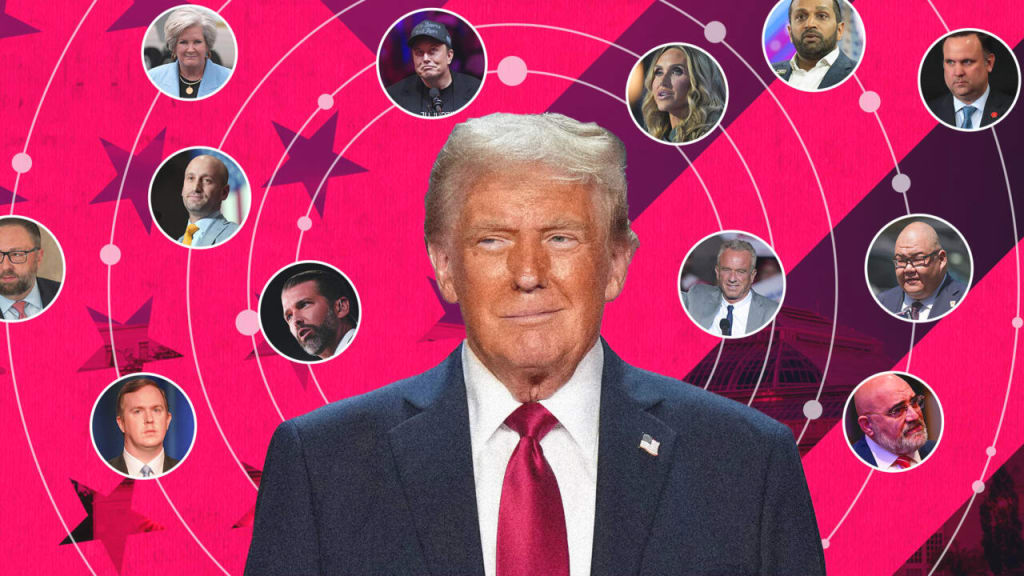
Trump Calls on Walmart to Absorb Tariffs Rather Than Raise Prices
In a move that reignited debate over trade policy and consumer pricing, former President Donald Trump recently made headlines by calling on retail giant Walmart to absorb the cost of tariffs rather than passing those expenses onto American consumers. The comments come amid growing concerns about inflation, supply chain challenges, and trade tensions with China and other manufacturing nations. Trump’s message, posted on his social media platform Truth Social, signaled a renewed political focus on economic nationalism and corporate responsibility.
This article explores the context, implications, and reactions to Trump’s statement, and what it means for the future of American retail, trade policy, and consumer behavior.
Background: Trump’s Tariff Strategy and Economic Nationalism
During his presidency, Donald Trump adopted a protectionist trade policy, particularly targeting China. He implemented a series of tariffs on imported goods aimed at reducing the trade deficit and encouraging domestic manufacturing. The idea was to incentivize American companies to source and produce goods within the United States rather than relying heavily on foreign suppliers. Critics, however, argued that tariffs often acted as a tax on American consumers, who bore the brunt of the price increases.
Even after leaving office, Trump has continued to advocate for tariffs as a tool of economic leverage and national security. His latest call on Walmart to absorb the costs of those tariffs instead of passing them on to shoppers reflects a broader narrative about corporate patriotism and responsibility to the American public.
Walmart's Predicament: Retail Margins and Tariff Pressure
Walmart, the largest retailer in the United States, finds itself in a difficult position. With more than 4,700 stores nationwide and millions of customers, the company plays a crucial role in the everyday economy. Walmart sources a significant portion of its merchandise from international markets, including China, Vietnam, and Mexico. When tariffs are levied on these imports, the company faces higher costs.
Walmart has long prided itself on offering "everyday low prices," a cornerstone of its business model. However, company executives have recently indicated that inflationary pressures and the cost of tariffs have made it increasingly difficult to maintain low prices. In an earnings call earlier this year, Walmart’s Chief Financial Officer John David Rainey acknowledged that price increases were becoming necessary to offset growing expenses, including those associated with tariffs.
Trump's call challenges Walmart to shoulder the cost burden internally. This could mean reducing profit margins, renegotiating contracts with foreign suppliers, or absorbing the tariffs through operational efficiencies. For a company as large as Walmart, the scale of these costs can reach into the billions, making such a decision complex and potentially detrimental to shareholders.
Corporate Responsibility vs. Profit Maximization
Trump’s statement taps into a larger debate about the role of corporations in society. Should large, profitable companies like Walmart prioritize shareholder returns above all else, or do they have a broader responsibility to the communities and consumers they serve?
Some economists and political analysts argue that major corporations have the financial wherewithal to absorb certain costs in the interest of public good. They point to Walmart's substantial annual profits as evidence that the company can afford to mitigate price increases. Others, however, warn that forcing companies to internalize these costs could lead to reduced investment, lower wages, or job cuts.
From a business perspective, Walmart’s priority is to remain competitive while ensuring profitability. Absorbing tariffs might benefit consumers in the short term but could hinder the company’s long-term growth and innovation. The broader economic question is whether government-imposed tariffs should be paired with incentives or subsidies to offset corporate losses, rather than expecting businesses to bear the entire burden.
Consumer Impact and Inflationary Concerns
At the heart of this debate lies the consumer. Tariffs on imported goods can significantly impact prices at the checkout counter. For everyday Americans, increases in the price of basic goods like groceries, clothing, electronics, and household items contribute to inflationary pressure and reduce purchasing power.
Inflation has become a central issue in the American economy, with price hikes affecting everything from food to fuel. While the Federal Reserve continues to adjust interest rates to combat inflation, trade policies also play a role. When companies pass the cost of tariffs onto consumers, it undermines broader efforts to stabilize prices.
Trump’s message appears aimed at addressing these concerns directly. By urging Walmart to absorb the costs, he positions himself as an advocate for the average consumer. The challenge, however, is balancing consumer interests with the economic realities of global trade and corporate strategy.
Geopolitical Implications and Supplier Relationships
The tariffs in question largely target Chinese goods, though other countries like Vietnam and Mexico are also affected. Walmart, like many American companies, relies on a complex global supply chain that includes factories and suppliers in these nations. When tariffs increase, Walmart must either pay more for the same goods or find alternative sources, which may also come at a premium.
There have been reports of Walmart attempting to renegotiate contracts and prices with suppliers to mitigate the impact of tariffs. However, suppliers themselves often operate on thin margins and may be unable or unwilling to lower prices. In some cases, these negotiations have led to tension, and even intervention by foreign governments.
For example, Chinese officials have reportedly summoned representatives from major American companies, including Walmart, to discuss tariff-related issues. This highlights the geopolitical complexity of trade policy, where economic decisions made in Washington can ripple through international relations.
Political Ramifications and 2024 Election Strategy
Trump’s statement also carries political weight. As a leading figure in the Republican Party and a potential candidate for the 2024 presidential election, Trump’s public comments serve as both policy messaging and campaign strategy. By taking a stand against corporate pricing practices, he aligns himself with populist sentiments and the economic struggles of working-class Americans.
Critics argue that the call is more symbolic than practical, noting that tariffs are ultimately a government policy tool and that businesses respond to market conditions. Still, Trump’s rhetoric resonates with many voters who feel left behind by globalization and rising costs of living.
Walmart, meanwhile, must navigate this political landscape carefully. As a major employer and economic force, the company is often in the crosshairs of political discourse. Responding too forcefully to Trump’s comments could alienate customers or provoke regulatory scrutiny, while ignoring the issue might invite further criticism.
The Future of Tariffs and Trade Policy
Looking ahead, the future of tariffs and trade policy remains uncertain. While Trump has championed tariffs as a means of economic leverage, other policymakers advocate for multilateral trade agreements, subsidies for domestic industries, or investments in supply chain resilience.
The Biden administration, for example, has taken a more measured approach to trade, seeking to balance strategic competition with China while minimizing disruptions to the global economy. However, some tariffs imposed during the Trump era remain in place, reflecting the political challenges of unwinding protectionist policies.
Retailers like Walmart must plan for a range of scenarios, from continued tariff enforcement to potential shifts in trade policy depending on the outcome of the 2024 election. For consumers, the key concern is whether these policies will lead to sustained price increases or if companies and governments can find a more equitable solution.
Conclusion: A Clash of Priorities
Donald Trump’s call for Walmart to absorb tariffs rather than raise prices encapsulates a broader clash of economic priorities. On one side is the push for national self-sufficiency, protection of American jobs, and consumer relief. On the other is the reality of global trade, corporate profitability, and complex supply chains.
For Walmart, the decision involves balancing shareholder expectations, competitive pressures, and public perception. For policymakers, the challenge is to create trade strategies that protect American interests without placing undue burdens on consumers or businesses.
As the debate continues, one thing is clear: the intersection of trade policy, corporate responsibility, and consumer welfare will remain a defining issue in American economic discourse for years to come. Whether Trump’s message leads to tangible changes in retail pricing or remains a political talking point, it has certainly reignited a critical conversation about who ultimately pays the price for tariffs.
About the Creator
Keep reading
More stories from writers in History and other communities.
What Would World War III Look Like Today?
What Would World War III Look Like Today? When people imagine World War III, many still picture massive armies, tanks rolling across borders, and cities reduced to rubble by bombs. While traditional warfare would still play a role, a modern world war would look very different from the conflicts of the 20th century. Advances in technology, global interdependence, and new forms of power have changed how wars are fought—and how they affect the world.
By Wings of Time 4 days ago in History
El Chapo
Joaquín “El Chapo” Guzmán and the Sinaloa Cartel Joaquín Archivaldo Guzmán Loera, widely known by his nickname “El Chapo,” is one of the most infamous figures in the history of organized crime. He rose from extreme poverty in rural Mexico to become the leader of the Sinaloa Cartel, an organization that for decades played a central role in international drug trafficking. The story of El Chapo and the Sinaloa Cartel reflects broader issues such as corruption, inequality, weak institutions, and the global demand for illegal drugs.
By jhony aoura day ago in History
The Path to Salvation
The late autumn evening air filled the monk's lungs, but it wasn't the season that chilled his bones. The heavy-handed presence of evil he had sensed upon entering the woods surrounding this mountain village had not bothered to conceal itself from him.
By Made in DNA4 days ago in Fiction


Comments
There are no comments for this story
Be the first to respond and start the conversation.