
Title: Algeria: Tracing the Threads of a Rich and Complex History
Algeria: A Saga of Struggle, Sovereignty, and National Resilience
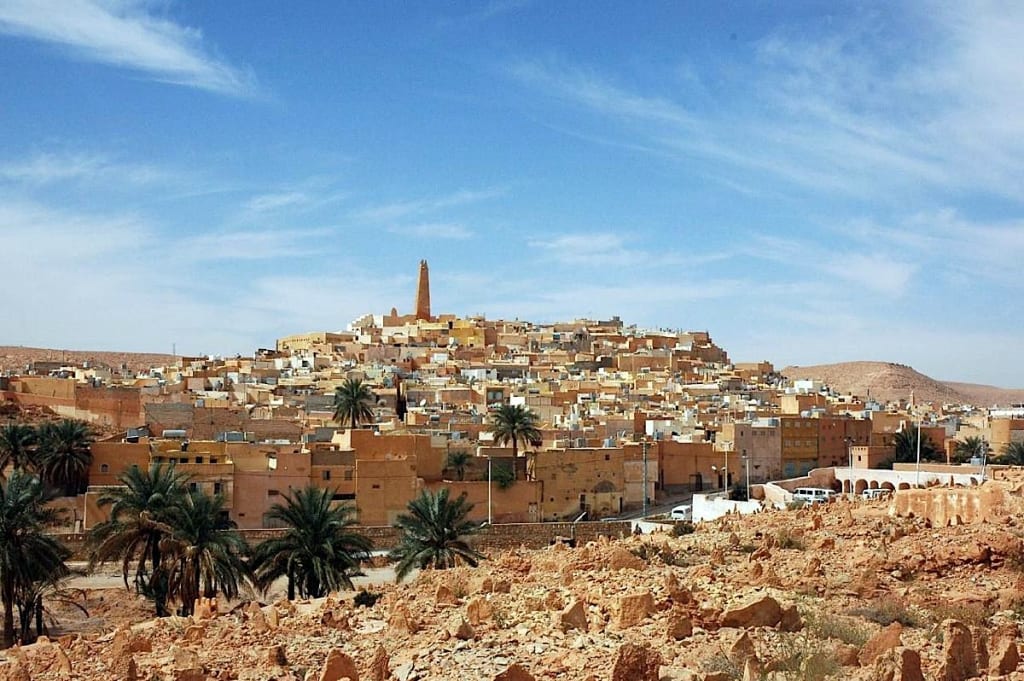
Nestled in North Africa, Algeria is a land of diverse landscapes, ancient civilizations, and a tumultuous past that has shaped its present identity. From the ancient Berber kingdoms to the struggles for independence and nation-building, the history of Algeria is a captivating tale of resilience, conquest, and cultural fusion.
Ancient Origins:
The history of Algeria dates back thousands of years, with evidence of human habitation dating back to the Paleolithic era. The region was inhabited by various Berber tribes, who established prosperous kingdoms and city-states along the Mediterranean coast and in the Atlas Mountains.
One of the most notable Berber kingdoms was Numidia, which flourished in the 3rd century BCE under the leadership of King Masinissa. Numidia was known for its skilled cavalry, vibrant trade networks, and strategic alliances with the ancient powers of Rome and Carthage.
Roman Conquest and Christianization:
In 146 BCE, the Roman Republic conquered Numidia and incorporated it into the province of Africa Nova. The Romans established numerous cities and settlements in Algeria, including the coastal cities of Hippo Regius (modern-day Annaba) and Tipasa.
Christianity spread to Algeria during the Roman period, with the region becoming a center of Christian learning and spirituality. Saint Augustine, one of the most influential theologians of the early Christian church, was born in Thagaste (modern-day Souk Ahras) in 354 CE.
Islamic Conquest and Arabization:
In the 7th century CE, Arab armies swept across North Africa, bringing Islam to Algeria and establishing Arab-Muslim rule. The Arab conquests were accompanied by the spread of Arabic language and culture, as well as the conversion of the Berber population to Islam.
Under Arab rule, Algeria became part of the Islamic caliphate and flourished as a center of learning, trade, and urbanization. The city of Kairouan (in present-day Tunisia) emerged as a major cultural and religious center, attracting scholars, merchants, and pilgrims from across the Muslim world.
Berber Revolts and Dynastic Rule:
Despite the Arabization of Algeria, Berber identity and culture remained resilient, leading to periodic revolts and uprisings against Arab rule. One of the most significant Berber dynasties was the Fatimid Caliphate, which ruled over Algeria and much of North Africa from the 10th to the 12th centuries.
In the 16th century, Algeria fell under the control of the Ottoman Empire, which established the Regency of Algiers as a vassal state. The Ottomans ruled Algeria through a series of local governors known as deys, who exercised both political and military authority over the region.
Colonialism and Resistance:
In the 19th century, Algeria became a target of European colonial expansion, as France sought to establish control over North Africa. The French invaded Algeria in 1830, sparking a brutal colonial conquest that lasted for more than seven decades.
Algerian resistance to French rule was fierce and prolonged, with numerous uprisings and revolts erupting throughout the colonial period. The most famous of these was the Algerian War of Independence (1954-1962), which culminated in the victory of the National Liberation Front (FLN) and the establishment of an independent Algerian state.
Independent Algeria and Nation-Building:
Algeria gained independence from France on July 5, 1962, after a bitter and protracted struggle for self-determination. The new Algerian government faced immense challenges in the aftermath of independence, including economic underdevelopment, social unrest, and political instability.
Under the leadership of President Ahmed Ben Bella and later Houari Boumediene, Algeria embarked on a path of socialist development and modernization. The government nationalized key industries, implemented land reforms, and invested in education, healthcare, and infrastructure.
In the late 20th century, Algeria experienced a period of political turmoil and violence, as the country grappled with the legacy of colonialism, economic stagnation, and the rise of Islamist extremism. The 1990s saw a brutal civil conflict between government forces and Islamist insurgents, resulting in widespread bloodshed and instability.
Contemporary Algeria and Challenges Ahead:
Today, Algeria is a diverse and dynamic nation at the crossroads of Africa and the Arab world, with a rich cultural heritage and a young and vibrant population. The country faces numerous challenges, including economic diversification, youth unemployment, and political reform.
Despite these challenges, Algeria remains a proud and resilient nation, with a deep sense of national identity and solidarity. As Algeria looks to the future, it is guided by the principles of unity, democracy, and social justice, as it seeks to build a more prosperous and inclusive society for all its citizens.
In conclusion, the history of Algeria is a testament to the strength and resilience of its people in the face of adversity. From ancient civilizations to modern nation-building efforts, Algeria's story is one of struggle, sacrifice, and triumph, offering valuable lessons for the future. As Algeria navigates the complexities of the modern world, its rich historical legacy serves as a source of inspiration and resilience for generations to come.
About the Creator
Keep reading
More stories from Vendula Remarová and writers in History and other communities.
Albania: Tracing the Footsteps of an Ancient Land
Nestled in the heart of the Balkans, Albania is a land of rugged mountains, pristine coastlines, and a rich cultural heritage that spans millennia. From its ancient origins to its modern struggles for independence and prosperity, the history of Albania is a captivating tale of resilience, resilience, and renewal.
By Vendula Remarová2 years ago in History
The Year 1964 in Review: Fun Facts, Trivia, and Historic Highlights
This quick read is a collection of fun facts, trivia, and historic events from the year 1964. Discover the year’s top news stories, most influential people, sports facts, historic firsts, entertainment trivia, and much more.
By Gregory DeVictor3 days ago in History



Comments (1)
Hello, AI is permitted on Vocal. It is a Vocal policy that content created with AI is identified as such at the start of the story/article. Your article/story has many hallmarks of AI-assisted/generated content. You can find the details of the Vocal policy here: https://shopping-feedback.today/resources/an-update-from-vocal-on-ai-generated-content%3C/span%3E%3C/span%3E%3C/span%3E%3C/a%3E, Please amend your piece to be in compliance. If you are not a Vocal+ member you will need to contact Vocal here ([email protected]) and ask them to send your content back into your 'Drafts' where you can edit your story/article/poem. If you don’t correct this the content may be removed by Vocal and/or you may be deleted from the platform. This has been reported to Vocal.